Are you looking for a fun and simple way to boost your baby’s development? A toy piano for babies might be just what you need.
It’s not just a cute plaything—it can help your little one explore sounds, develop hand-eye coordination, and spark creativity from an early age. Imagine watching your baby light up as they press colorful keys and discover new tunes. Keep reading to find out why a toy piano could be the perfect addition to your baby’s playtime and how it supports their growth in ways you might not expect.
Benefits Of Toy Pianos
Toy pianos offer many benefits for babies. They help develop important skills while being fun to play with.
Playing a toy piano is a great way for babies to learn and grow. It supports different areas of development.
Boosting Cognitive Skills
Toy pianos help babies improve memory and attention. They learn to recognize sounds and patterns.
Listening to notes and pressing keys builds brain connections. This supports early thinking and problem solving.
- Enhances memory by repeating tunes
- Teaches cause and effect
- Improves listening skills
Enhancing Motor Development
Playing a toy piano helps babies develop hand-eye coordination. They learn to control finger movements.
Pressing the small keys builds fine motor skills. This supports better control of small muscles in hands.
- Strengthens finger muscles
- Improves hand and finger coordination
- Supports dexterity for later writing skills
Encouraging Creativity
Toy pianos inspire babies to make their own music. They explore different sounds and rhythms freely.
Creating tunes helps babies express feelings and ideas. This builds imagination and artistic skills.
- Promotes musical experimentation
- Supports emotional expression
- Boosts imagination and play
Choosing The Right Toy Piano
Picking a toy piano for babies is important for their learning and fun. The right piano helps develop their hearing and motor skills.
Think about the baby’s age, safety, and how easy it is to carry. These points help you choose the best toy piano.
Age-appropriate Features
Babies need simple and easy-to-use toy pianos. Look for big keys that are easy to press. Avoid pianos with small parts.
Some pianos have sounds that match a baby’s hearing range. These sounds keep babies interested and encourage play.
Material And Safety Considerations
Choose pianos made from non-toxic materials. Babies often put toys in their mouths, so safety is key. Check for smooth edges to avoid cuts.
Look for pianos that meet safety standards for children’s toys. This reduces the risk of choking or other hazards.
- Non-toxic paint and plastics
- Rounded edges and corners
- No small removable parts
- Durable and sturdy build
Size And Portability
Choose a toy piano that is small and light enough for babies to handle. This helps them carry and move the piano easily.
Portable pianos are easy to take on trips or visits. They fit well in play areas and do not take up much space.
- Lightweight design for easy carrying
- Compact size fits small hands
- Simple shape for easy storage
Top Toy Piano Types
Toy pianos come in many styles for babies. Each type offers a unique play experience.
Choosing the right toy piano helps babies learn sounds and have fun. Here are popular types.
Traditional Wooden Models
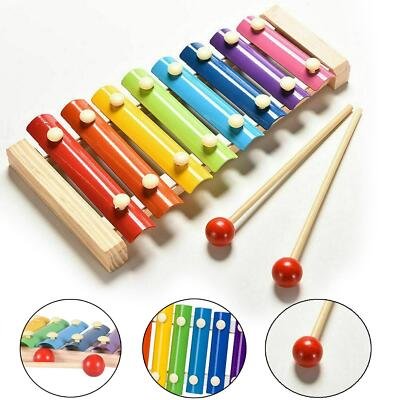
Traditional wooden toy pianos have a classic design. They often use small metal or wooden keys.
These pianos are sturdy and safe for babies. They make clear, simple sounds that are easy to hear.
- Made from natural wood materials
- Simple and durable construction
- Produces bright, bell-like tones
- Easy for babies to press keys
Electronic And Digital Options
Electronic toy pianos use batteries and speakers. They can play many sounds and songs.
Digital models often have buttons for different sound effects. They help babies explore music creatively.
- Varied sound choices and rhythms
- Volume control for quiet play
- Light-up keys for visual fun
- Some models include recording features
Hybrid Designs
Hybrid toy pianos mix wooden parts with electronic features. They offer the best of both worlds.
These pianos keep a natural feel but add extra sound options. Babies enjoy hands-on play and sounds.
- Wooden keys with electronic sound output
- Combines durability and technology
- Encourages active play and listening
- Often includes simple learning modes

Introducing Music To Babies
Music helps babies learn and grow. It sparks their curiosity and joy.
A toy piano is a great way to bring music to your baby. It offers sounds that are fun and simple.
Simple Tunes To Start
Start with easy tunes that use a few notes. Songs like "Twinkle Twinkle Little Star" are perfect.
Playing simple melodies helps babies recognize sounds and patterns. It builds their listening skills.
- Use short songs with clear rhythms
- Repeat tunes to help memory
- Play slowly so babies can follow
Interactive Play Ideas
Encourage babies to press keys on the piano. This helps them explore cause and effect.
Make playtime fun by clapping or dancing along. Use toys to make music more exciting.
- Let babies try different keys
- Sing while playing to keep interest
- Use hand movements to guide play
Incorporating Songs And Rhymes
Combine piano sounds with nursery rhymes. This helps babies learn words and sounds together.
Singing while playing the piano makes music time interactive and fun. It improves language skills.
- Choose familiar rhymes to sing
- Match piano notes to song rhythms
- Encourage babies to join in with sounds
Maintaining And Cleaning Toy Pianos
Toy pianos for babies need regular care to stay safe and fun. Cleaning keeps them free from germs and dirt.
Proper maintenance helps the piano last longer and work well. Follow simple tips to keep your baby’s toy piano in good shape.
Safe Cleaning Methods
Use gentle cleaning to avoid damage. Avoid harsh chemicals that can hurt the toy or baby.
Wipe the piano with a soft cloth dampened with mild soap and water. Dry it completely to stop moisture damage.
- Use a soft, damp cloth
- Mild soap is best for cleaning
- Never soak the piano in water
- Dry the toy fully after cleaning
- Check for loose parts before use
Storage Tips
Store the toy piano in a dry, cool place. Avoid direct sunlight to keep colors bright and parts safe.
Keep the piano away from dust and pets. Use a box or cover to protect it when not in use.
- Choose a dry storage area
- Avoid heat and sunlight
- Cover the piano with a cloth
- Keep away from pets and dirt
- Store where baby can reach safely
Troubleshooting Common Issues
If keys stick or sounds change, check for dirt or damage. Clean gently or tighten loose parts.
If the toy stops working, check batteries or connections if it has electronic parts. Replace batteries as needed.
- Clean stuck keys carefully
- Tighten loose screws or parts
- Replace old batteries promptly
- Inspect for cracks or breaks
- Do not force broken parts

Encouraging Long-term Music Interest
Toy pianos can spark a child's interest in music. They are simple to play and enjoyable for babies.
Starting with a toy piano can lead to a lifelong love for music. It helps children explore sounds and rhythm.
Progressing To Advanced Instruments
As children grow, they may want to try bigger instruments. Toy pianos teach basic skills needed for advanced instruments.
Learning notes and rhythms on a toy piano can make the switch easier. It prepares them for more complex music learning.
Building A Musical Routine
Playing music regularly helps children improve. A musical routine can be part of their daily activities.
Set aside time each day for music play. This helps children develop discipline and focus.
- Morning music time to start the day
- Afternoon sessions for practice
- Evening music to relax before bed
Involving Family And Caregivers
Family involvement makes music more fun. Caregivers can join in and support musical play.
Playing together can strengthen family bonds. It encourages children to enjoy music with others.
- Sing along with the toy piano
- Clap hands to the rhythm
- Share favorite songs

Frequently Asked Questions
What Age Is Best For A Toy Piano For Babies?
Toy pianos are ideal for babies aged 6 months to 3 years. They support early sensory and motor skill development. Choose a toy piano with safe, non-toxic materials and simple keys suitable for little hands.
How Does A Toy Piano Benefit Babies’ Development?
Toy pianos enhance auditory skills, hand-eye coordination, and fine motor skills. They stimulate creativity and introduce basic musical concepts. Playing encourages cognitive growth and early learning through interactive play.
Are Toy Pianos Safe For Babies?
Yes, toy pianos designed for babies are safe when made with non-toxic materials. Look for rounded edges and sturdy construction to avoid choking hazards. Always supervise playtime to ensure safety.
What Features To Look For In A Baby’s Toy Piano?
Choose a toy piano with bright colors, easy-to-press keys, and durable build. Sounds should be pleasant and volume-controlled. Lightweight design helps babies handle the toy easily and encourages exploration.
Conclusion
A toy piano brings joy and learning to babies. It helps develop their senses and coordination. Babies explore sounds and rhythms with every key press. Playing music sparks creativity and early skills. Choose a safe, colorful piano for best results.
Watching a baby play is truly heartwarming. Small moments like these build strong foundations. Music and play grow together, hand in hand. A toy piano is a simple, fun gift. Perfect for little hands and curious minds.