Are you looking for fresh ways to keep your baby entertained and learning every day? Toy rotation is a simple trick that can make a big difference in your little one’s playtime.
By changing the toys your baby sees regularly, you can spark their curiosity, boost their focus, and even help their brain grow stronger. You’ll discover easy and creative toy rotation ideas that fit into your busy life and keep your baby excited to explore.
Ready to transform playtime and watch your baby thrive? Let’s dive in!

Benefits Of Toy Rotation
Toy rotation means changing the toys your baby plays with often. This keeps toys new and exciting. It helps babies play longer and learn better.
Using toy rotation can make playtime more fun and less messy. It also helps babies focus on one toy at a time.
Enhancing Focus And Attention
When babies have fewer toys to choose from, they focus better. Toy rotation limits choices and helps attention span grow.
- Reduces distractions
- Encourages deeper play
- Improves concentration skills
Stimulating Cognitive Growth
Toys that change regularly help babies learn new skills. Different toys teach different lessons. This variety helps the brain grow.
| Toy Type | Skills Developed |
| Stacking blocks | Problem solving, hand-eye coordination |
| Soft books | Language, sensory awareness |
| Shape sorters | Logic, fine motor skills |
Reducing Toy Clutter
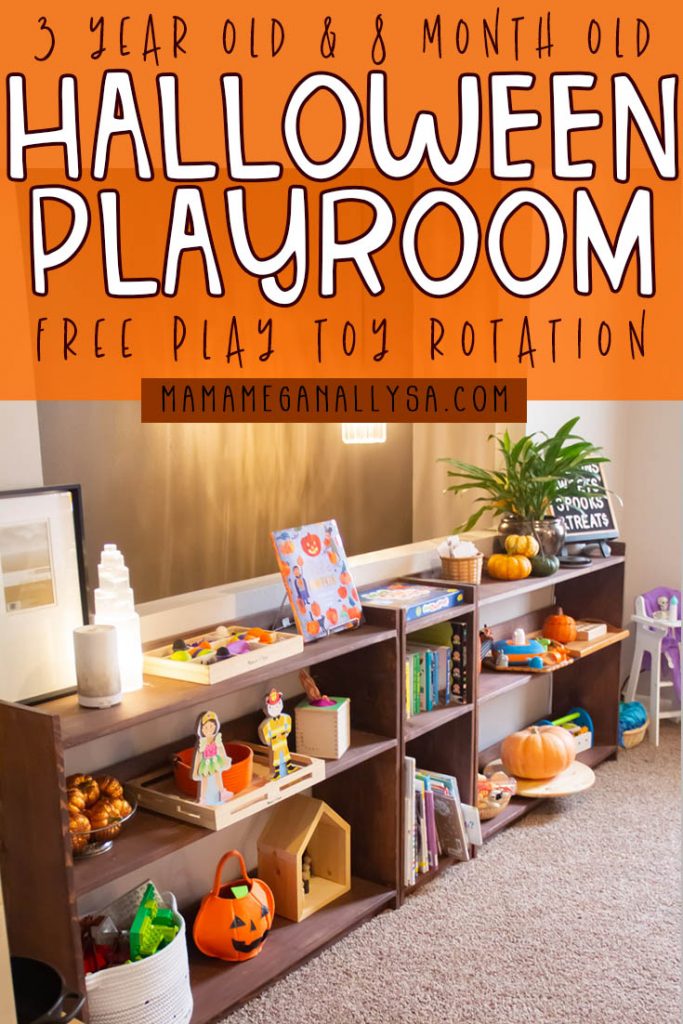
Rotating toys means fewer toys out at once. This keeps play areas tidy and safer for babies.
Tips to reduce toy clutter with rotation:
- Store extra toys out of reach
- Switch toys every 1-2 weeks
- Keep only favorites accessible
Choosing The Right Toys
Selecting the right toys for babies helps their growth and happiness. Toys should be safe and suit their needs.
Rotating toys keeps babies interested and encourages learning. The right choices make playtime fun and useful.
Age-appropriate Options
Babies need toys that match their age and skills. Toys that are too hard or easy can cause frustration.
Look for toys with clear age labels. Soft blocks, rattles, and teething rings work well for young babies.
- Toys for 0-6 months: rattles, soft toys, and teething rings
- Toys for 6-12 months: stacking cups, simple puzzles, and textured balls
- Toys for 12-18 months: shape sorters, push toys, and large blocks
Variety In Textures And Colors
Toys with different textures help babies explore by touch. Soft, hard, smooth, and rough surfaces are good.
Bright colors attract babies’ attention and support vision growth. Use toys with contrasting colors for better focus.
- Soft plush toys with smooth fabric
- Rubber toys with bumpy textures
- Toys with bright colors like red, yellow, and blue
- Toys with patterns and contrasting colors
Incorporating Educational Toys
Educational toys support early brain development. They teach cause and effect, problem-solving, and motor skills.
Choose toys that encourage learning while playing. Simple puzzles, stacking toys, and musical instruments work well.
- Shape sorters to improve problem-solving
- Stacking rings for hand-eye coordination
- Musical toys to develop sound recognition
- Books with textures and pictures for early reading
Creating A Rotation Schedule
Rotating toys keeps babies interested and helps their growth. A good schedule makes rotation easy to follow.
Organizing toys and tracking rotations saves time and keeps playtime fresh.
Frequency Of Rotation
Change toys every one to two weeks. This keeps your baby curious and engaged without overwhelming them.
- Rotate simple toys weekly for young babies.
- Switch to every two weeks as your baby grows.
- Notice which toys your baby plays with most.
- Adjust rotation speed based on interest.
Organizing Toys For Easy Access
Keep toys organized so you can swap them quickly. Use bins or shelves with labels to sort by type or theme.
| Storage Type | Best For | Tip |
| Open Bins | Easy reach | Use clear bins to see toys |
| Shelves | Display favorites | Place at baby’s eye level |
| Boxes with Labels | Organized sets | Label by age or toy type |
Tracking Which Toys To Rotate
Keep a list or chart to track toys you rotate. This helps avoid repeating the same toys too soon.
- Write down all toys in your collection.
- Note the last date each toy was used.
- Plan the next rotation based on these dates.
- Update the list every time you swap toys.
Diy Toy Rotation Ideas
Keeping babies interested in their toys helps their learning and play. Toy rotation is a smart way to do this. It means changing toys regularly to keep playtime fun and fresh.
Try different ideas to organize and swap toys at home. This keeps toys new and exciting for your baby without buying more.
Themed Toy Baskets
Use baskets to group toys by theme. Themes can be colors, shapes, or animals. This helps your baby explore one idea at a time. It also makes picking toys easy for parents.
- Choose baskets that fit the theme
- Fill each basket with 3-5 related toys
- Rotate baskets weekly or biweekly
- Label baskets with pictures or words
- Store unused baskets out of sight
Surprise Toy Boxes
Create surprise boxes with a mix of toys your baby hasn’t seen for a while. The mystery makes playtime more fun and helps your baby focus on new skills.
| Box Type | Toy Ideas |
| Soft Toys | Stuffed animals, soft blocks, fabric books |
| Music & Sounds | Rattles, small drums, xylophones |
| Building Toys | Stacking cups, simple puzzles, blocks |
| Outdoor Play | Balls, sand toys, water cups |
Seasonal Toy Changes
Switch toys to match the season or holidays. This adds variety and teaches your baby about the year’s changes. Seasonal toys can connect to nature and weather.
Try rotating these seasonal toys:
- Spring: Flower-shaped rattles, animal figures
- Summer: Beach balls, water toys
- Fall: Leaf puzzles, pumpkin toys
- Winter: Snowman plush, holiday-themed books
Encouraging Development Through Play
Play is vital for babies to learn and grow. It helps develop their body and mind.
Using different toys in rotation can keep babies interested and support many skills.
Fine Motor Skill Activities
Fine motor skills help babies control small movements with their hands and fingers. Toys that encourage grasping and reaching improve these skills.
- Stacking rings to practice hand-eye coordination
- Soft blocks to squeeze and hold
- Shape sorters to match and place shapes
- Textured balls to roll and catch
Sensory Exploration
Sensory play helps babies explore textures, sounds, and colors. Different toys stimulate their senses and curiosity.
| Toy Type | Sensory Focus | Example |
| Touch | Textures | Soft fabric books |
| Sound | Noise | Rattles and bells |
| Sight | Colors and shapes | Brightly colored mobiles |
| Smell | Scents | Scented sensory balls |
Language And Social Interaction
Toys that encourage talking and sharing help develop language and social skills. Playing together builds bonds and communication.
- Soft dolls or stuffed animals for pretend play
- Books with simple words and pictures
- Toys that make sounds when pressed to encourage speech
- Interactive play mats to share with parents or siblings
Tips For Maintaining Interest
Keeping a baby's attention is important. Toy rotation can help maintain interest. Regularly changing toys offers new experiences.
Babies love to explore. Rotating their toys keeps them engaged. It also supports their development.
Introducing New Challenges
Babies enjoy solving simple problems. Introducing new challenges can be fun. Choose toys that encourage thinking and problem-solving.
- Stacking blocks to build towers
- Shape sorters for matching shapes
- Simple puzzles with large pieces
Mixing Familiar And New Toys
Mixing old and new toys is effective. Familiar toys offer comfort. New toys bring excitement.
Start with a few favorites. Then, add one or two new items. This keeps playtime fresh and fun.
Involving Caregivers In Playtime
Caregivers play a key role. Their involvement makes playtime more enjoyable. They can introduce toys in creative ways.
- Join in building blocks
- Read storybooks together
- Encourage role play with dolls

Frequently Asked Questions
What Is Toy Rotation For Babies?
Toy rotation involves regularly swapping a small selection of toys. It keeps babies engaged and prevents boredom. This method encourages exploration and learning by offering fresh stimuli without overwhelming them.
How Often Should I Rotate My Baby's Toys?
Rotate toys every one to two weeks. This timing maintains your baby's interest and curiosity. Frequent rotation helps develop focus and fine motor skills while keeping their playtime exciting.
Which Toys Are Best For Rotation With Babies?
Choose age-appropriate, safe, and developmentally stimulating toys. Include sensory, motor skill, and problem-solving toys. Variety encourages different types of learning and supports overall growth.
Can Toy Rotation Reduce Clutter In The Nursery?
Yes, toy rotation helps manage clutter effectively. Keeping fewer toys out at once creates a tidy space. It also makes cleaning easier and reduces overstimulation for your baby.
Conclusion
Rotating toys keeps babies curious and happy. It helps them learn new skills every day. Changing toys often stops boredom quickly. It also makes playtime fresh and fun. Keep a small set out and store the rest. Switch toys regularly to keep interest alive.
This simple trick supports healthy growth and joy. Try different toys that suit your baby’s age. Watch them explore and enjoy each new toy. Toy rotation brings variety without buying too many. It’s an easy way to boost your baby’s play.