Watching your baby learn to roll over is a big milestone, and you want to support them every step of the way. But how can you make this process fun and engaging?
The right toys can do just that—encouraging your little one to move, explore, and build the strength they need. If you’re looking for simple, effective ways to help your baby roll over confidently, this guide is made for you. Keep reading to discover toys that will turn practice into play, making those first rolls easier and more exciting for both you and your baby.
Benefits Of Rolling Over
Rolling over is an important milestone for babies. It helps their body and brain grow strong. Toys that encourage rolling over make this stage fun and active.
When babies roll over, they learn to explore their world. This movement builds skills they will use later for crawling and walking.
Physical Development
Rolling over helps babies build muscle strength in their arms, neck, and back. It also improves balance and coordination. These are key for future movements like sitting and crawling.
Cognitive Growth
As babies roll over, they learn cause and effect. They see how their actions change their position. This helps their brain develop problem-solving skills and awareness of space.
| Skill | How Rolling Over Helps |
|---|---|
| Problem Solving | Teaches babies to move and reach for toys |
| Spatial Awareness | Shows babies how to judge distances and positions |
| Attention | Encourages focus on objects while moving |
Motor Skills Enhancement
Rolling over improves fine and gross motor skills. Babies learn to control their body parts better. This skill prepares them for crawling, standing, and walking.
- Strengthens arm and leg muscles
- Improves hand-eye coordination
- Builds control over body movements
- Encourages reaching and grabbing
Credit: www.amazon.com
Features To Look For In Toys
Toys that encourage rolling over help babies develop strength and coordination. Choosing the right toy supports their growth safely.
Look for features that make the toy safe, easy to handle, and engaging. These qualities make playtime both fun and beneficial.
Safety And Materials
Select toys made from non-toxic and BPA-free materials. Soft edges and sturdy construction reduce injury risks.
- Check for small parts that can detach and cause choking
- Ensure the paint is lead-free and safe for babies
- Opt for washable and hypoallergenic fabrics
Size And Weight
The toy should be light enough for the baby to move easily. Size matters to help babies handle and explore the toy during rolling.
| Feature | Ideal |
| Weight | Light, under 1 pound |
| Size | Large enough to hold but not too big |
| Grip | Easy to grasp with small hands |
Interactive Elements
Toys with sounds, textures, or lights invite babies to explore. These features encourage movement and keep attention.
- Soft rattles or crinkle sounds
- Varied textures for tactile learning
- Safe mirrors or bright colors
Top Toys For Encouraging Rolling
Rolling over is an important skill for babies. It helps them build strength and coordination. Toys that encourage rolling can make this learning fun and safe.
Choosing the right toys can support your baby’s development. Here are some top options that promote rolling.
Tummy Time Mats
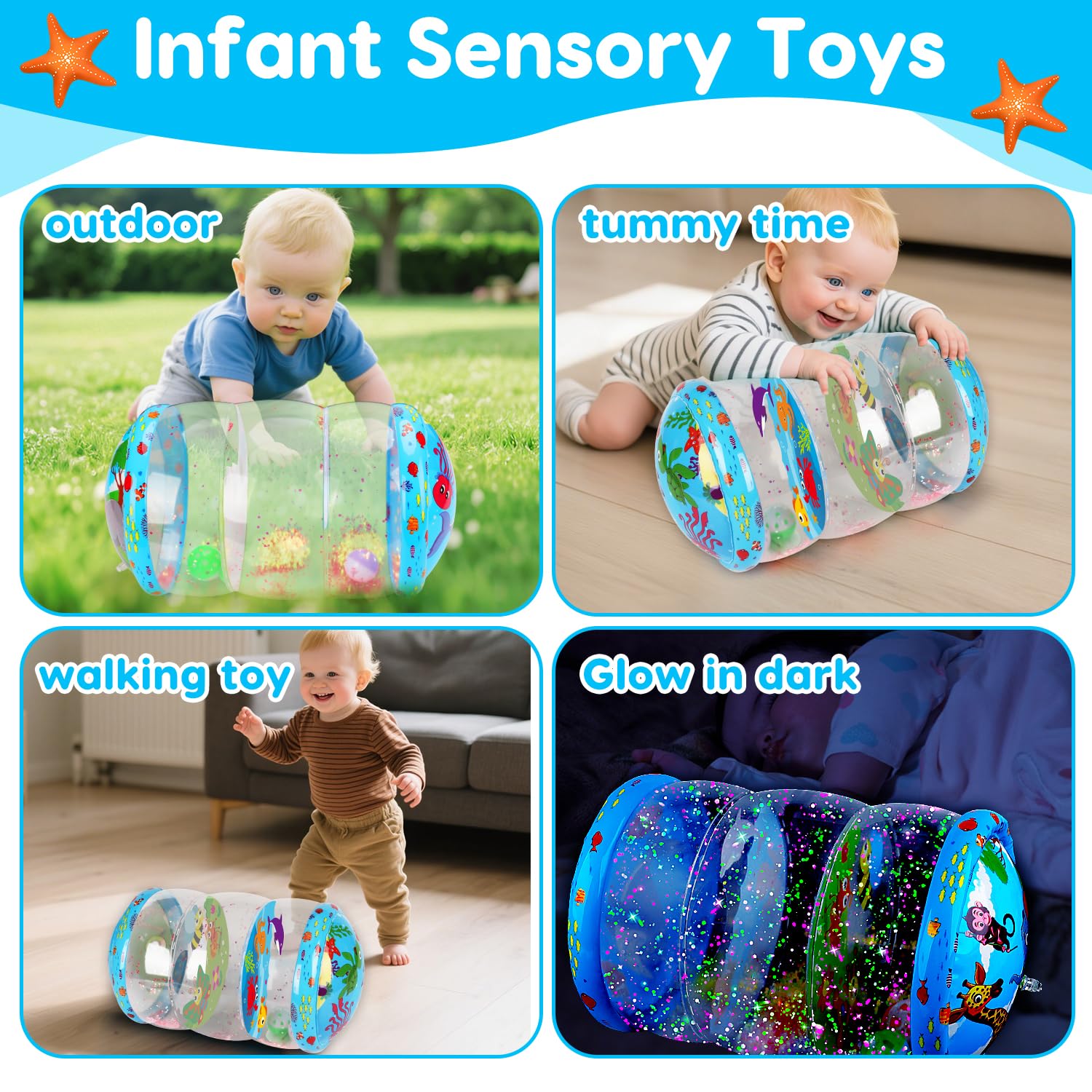
Tummy time mats provide a soft surface for babies to practice rolling. They often have bright colors and patterns to catch a baby’s attention. These mats help strengthen neck and arm muscles.
Soft Rolling Balls
Soft rolling balls encourage babies to move and reach. They can push or roll the balls, which helps improve motor skills. These balls are safe and easy to grab.
- Made of soft, non-toxic material
- Easy for small hands to hold
- Bright colors or patterns for visual interest
- Lightweight to roll smoothly
- Encourage crawling and rolling movements
Activity Gyms
Activity gyms offer toys that hang above a soft mat. Babies reach and bat at hanging toys. This encourages rolling to reach different items. Many gyms include mirrors and textured toys for extra fun.
| Feature | Benefit |
| Hanging toys | Encourage reaching and rolling |
| Soft mat | Comfortable play surface |
| Mirrors | Stimulate visual tracking |
| Textured toys | Enhance touch and grip |
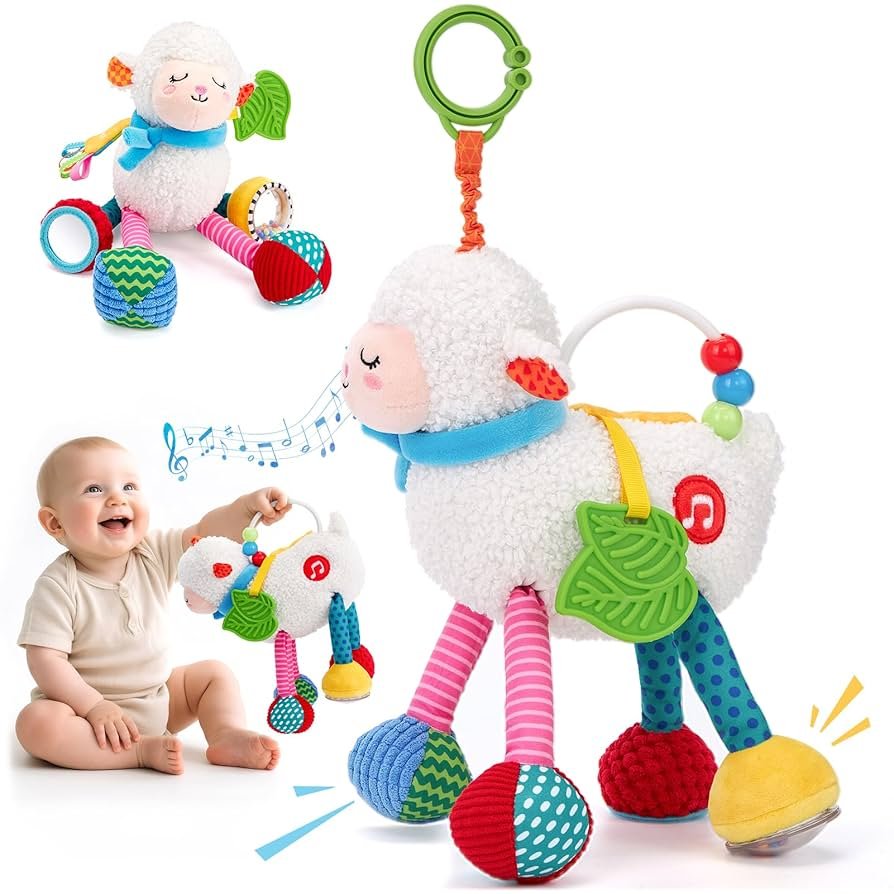
Musical Toys
Musical toys attract babies with sounds and lights. They encourage movement to explore and find the source of the music. This helps babies practice rolling and coordination.
Tips for using musical toys:
- Place the toy just out of reach to motivate rolling
- Choose toys with gentle sounds and bright lights
- Use toys that respond to touch or movement

Credit: www.amazon.com
Diy Toys For Rolling Practice
Rolling over is an important skill for babies to develop. DIY toys help make this practice fun and easy. These toys encourage movement and help babies explore their bodies.
You can create simple toys at home that support rolling over. These toys engage babies with colors, textures, and shapes. They also promote sensory learning and motor skills.
Homemade Sensory Balls
Sensory balls are great for encouraging babies to roll. You can make them with soft fabrics and different textures. These balls attract babies’ attention and invite them to reach and roll.
Use materials like felt, cotton, or soft yarn. Add small bells or crinkly paper inside for extra sounds. Make sure the balls are safe and easy to hold.
- Use bright colors to catch the baby’s eye
- Include different textures for sensory stimulation
- Ensure the size fits comfortably in baby’s hands
- Keep the balls soft and lightweight
Simple Rolling Objects
Simple rolling objects help babies practice moving their bodies. You can use household items like empty plastic bottles or small boxes. These objects encourage babies to push, roll, and follow the movement.
Make sure the objects are safe and clean. You can decorate them with colorful tape or stickers to make them more attractive. Rolling toys help babies learn cause and effect.
- Choose lightweight objects that roll easily
- Use bright colors or patterns
- Check for sharp edges or small parts
- Encourage baby to push and chase the object
Personalized Activity Boards
Activity boards are fun tools for babies to explore. You can make a board with different textures, shapes, and items to touch. Place the board near the baby to encourage rolling towards it.
Include items like soft fabric, small mirrors, or buttons. Personalize the board with your baby’s favorite colors or shapes. This makes rolling practice more interesting and motivating.
- Use a sturdy base like cardboard or wood
- Attach safe and varied textures
- Add interactive parts like flaps or ribbons
- Place the board just out of reach to encourage movement
Tips For Encouraging Rolling At Home
Rolling over is an important skill babies learn early. It helps build their muscles and coordination. Parents can encourage rolling with simple activities at home.
Using the right environment and toys helps babies feel comfortable and motivated to roll. Try these tips to support your baby’s progress.
Creating A Safe Play Area
Choose a soft, flat surface for your baby to play on. A clean blanket or play mat works well. Make sure the space is free from sharp or hard objects.
Keep the area quiet and calm so your baby can focus. Check that the floor is not slippery and the room temperature is comfortable.
- Use a padded play mat or blanket
- Clear away toys that might cause harm
- Ensure the space is free from drafts
- Supervise your baby at all times
Incorporating Playtime Routines
Make rolling practice part of your daily routine. Try to include tummy time several times a day. This helps your baby build strength and try rolling over.
Keep sessions short and fun. Watch your baby’s mood and stop if they get tired or upset. Consistency helps babies learn faster.
- Schedule tummy time after diaper changes
- Use gentle encouragement and smiles
- Increase playtime as baby gets stronger
- Stay close and offer comfort when needed
Using Toys Effectively
Choose toys that motivate your baby to move. Bright colors and different textures catch attention. Place toys slightly out of reach to encourage reaching and rolling.
Soft balls, rattles, and plush toys are great choices. Change toys often to keep your baby interested and curious.
- Use colorful and soft toys
- Place toys just out of reach
- Rotate toys to keep interest high
- Encourage your baby to reach and roll
When To Seek Professional Advice
Toys that encourage rolling over are great for babies. Yet, sometimes babies need extra help to meet developmental milestones.
Parents should know when to seek professional advice. This ensures their baby gets the support they need.
Recognizing Delays
Babies usually start rolling over by six months. If your baby isn't rolling over by then, it might be a delay.
Delays can be a sign of other issues. Watch for other missed milestones like sitting or crawling.
- No interest in rolling over at all
- Difficulty moving arms or legs
- Not responding to toys or sounds
Consulting Pediatricians
Pediatricians can help if you're worried about your baby's progress. They know what to look for in development.
During visits, share your concerns and observations. Pediatricians can perform tests or suggest further evaluations.
Therapy Options
Therapy can help babies with delays. Physical therapy is common for movement issues.
Therapists use exercises to strengthen muscles. This helps babies move better and meet milestones.
- Physical therapy for muscle strength
- Occupational therapy for coordination
- Speech therapy if needed later

Credit: www.amazon.com
Frequently Asked Questions
What Toys Help Babies Learn To Roll Over Faster?
Toys like soft balls, tummy time mats, and colorful rattles encourage babies to roll over. These toys stimulate movement and strengthen muscles, aiding quicker rolling skills development.
When Should I Introduce Rolling Over Toys To My Baby?
Introduce rolling over toys around 3 to 4 months old. This is when babies start building neck and core strength necessary for rolling over.
How Do Rolling Over Toys Benefit My Baby’s Development?
Rolling over toys improve motor skills, muscle strength, and coordination. They also encourage exploration and cognitive growth through active play.
Are There Safe Toys Specifically Designed For Rolling Over Practice?
Yes, many soft, lightweight toys with bright colors and textures are safe. They attract babies’ attention and motivate them to roll over during playtime.
Conclusion
Choosing the right toys helps babies enjoy rolling over more. Soft, colorful toys catch their eyes and encourage movement. Toys with sounds or textures keep babies interested longer. These simple tools support baby’s muscle strength and coordination. Parents can watch their child grow through play.
Each small roll is a big step forward. Keep playtime fun and safe every day. Rolling over builds a strong foundation for crawling and walking. Enjoy these precious moments while your baby learns and explores.