Are you looking for ways to support your child with autism in a fun and engaging way? Sensory toys might be exactly what you need.
These special toys are designed to help your child explore their senses, stay calm, and improve focus. But what exactly are sensory toys, and how can they make a difference for your child? Keep reading to discover how these simple tools can create a big impact on your child’s daily life.
Sensory Toys And Autism
Sensory toys play a special role in supporting children with autism. These toys help manage sensory sensitivities. They also encourage learning through touch, sound, and movement. Sensory toys create a calming and engaging experience. They assist in developing focus and motor skills. Many children with autism find comfort in sensory play.
Role In Development
Sensory toys help children explore their senses safely. They improve fine motor skills and hand-eye coordination. Many toys encourage problem-solving and creativity. Sensory play supports emotional regulation and reduces anxiety. It also boosts communication skills by promoting interaction. These toys help children understand the world around them better.
Types Of Sensory Needs
Children with autism have different sensory needs. Some seek strong sensations, while others avoid certain textures or sounds. Sensory toys target touch, sight, hearing, and movement. For touch, toys include soft fabrics or textured surfaces. Visual toys use bright colors or lights to attract attention. Sound toys offer calming or stimulating noises. Movement toys help with balance and coordination. Understanding these needs helps choose the right toy.
Popular Sensory Toys
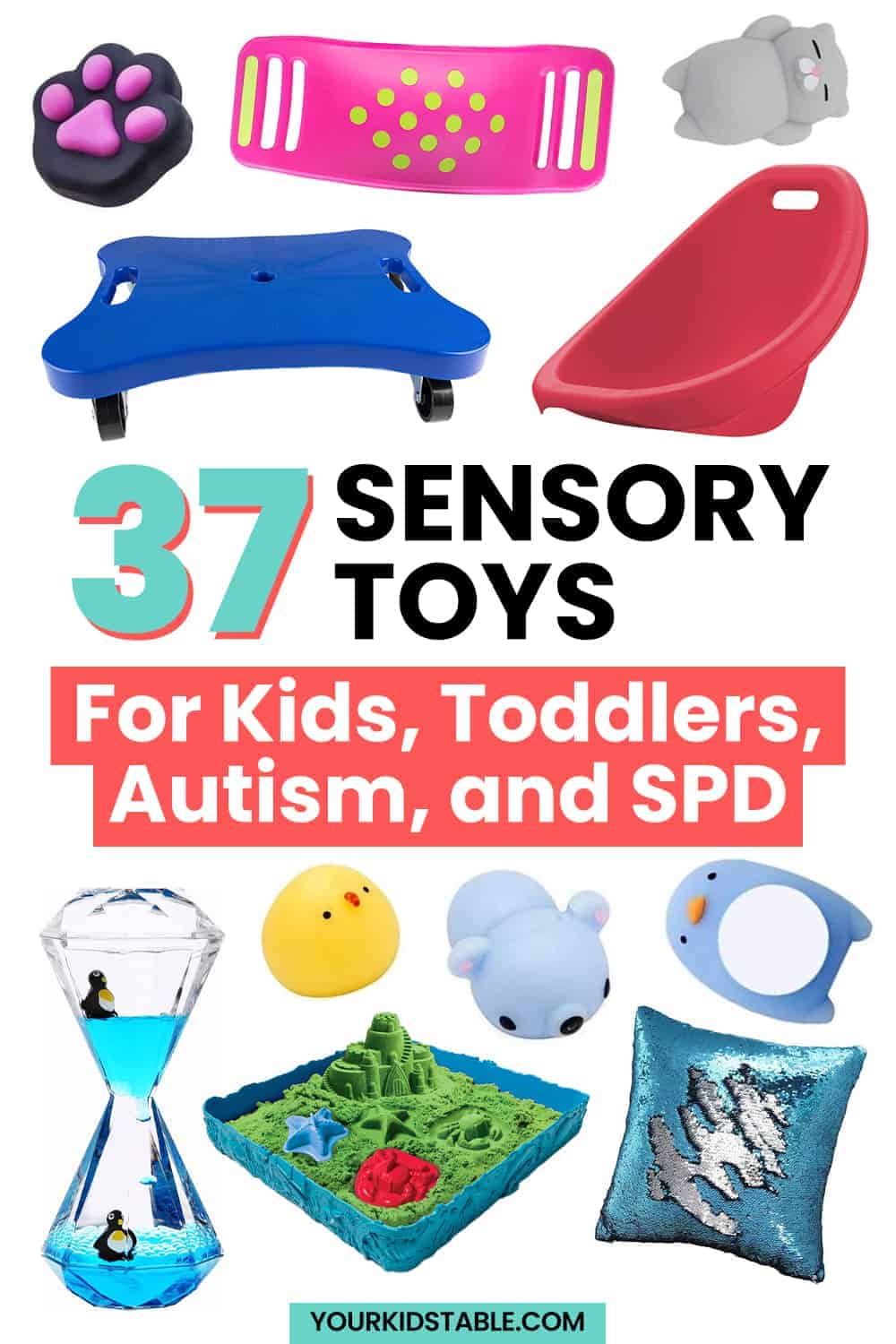
Sensory toys help children with autism explore and understand their senses. These toys make learning fun and calming. They support focus and reduce stress by engaging different senses. Many types of sensory toys suit various needs and preferences.
Popular sensory toys include tactile, visual, auditory, and proprioceptive types. Each type offers unique benefits for sensory development and comfort.
Tactile Toys
Tactile toys focus on touch and texture. Soft fabrics, squishy balls, and textured surfaces are common. Children can squeeze, stretch, or feel different materials. These toys help improve hand strength and sensory awareness.
Visual Toys
Visual toys provide light, color, and movement. Light-up toys, lava lamps, and color-changing gadgets attract attention. Watching these toys can calm and entertain. They support visual tracking and focus skills.
Auditory Toys
Auditory toys create sounds to engage hearing. Musical instruments, sound puzzles, and toys with gentle noises are popular. These toys help children recognize sounds and rhythms. They encourage listening and speech development.
Proprioceptive Toys
Proprioceptive toys involve body movement and pressure. Weighted blankets, therapy balls, and resistance bands are examples. These toys provide deep pressure and body awareness. They help improve coordination and calm the nervous system.
Benefits Of Sensory Toys
Sensory toys offer many benefits for children with autism. These toys help children explore their senses in a safe and fun way. Sensory play supports learning and emotional growth. It can improve daily life skills by addressing specific needs.
Children with autism often face challenges in focus, anxiety, and motor skills. Sensory toys provide tools to handle these issues gently. Using these toys regularly can make a noticeable difference in behavior and mood.
Improving Focus And Attention
Sensory toys help children concentrate better. The toys stimulate the senses, which can calm the mind. This makes it easier to stay on task. Simple movements or textures keep the brain engaged. Focus improves as distractions become less overwhelming.
Reducing Anxiety And Stress
Sensory toys offer comfort during stressful moments. Soft textures and repetitive actions soothe the nervous system. This reduces feelings of anxiety. Children feel more secure and relaxed. Stress levels drop as the child uses the toy to self-regulate emotions.
Enhancing Motor Skills
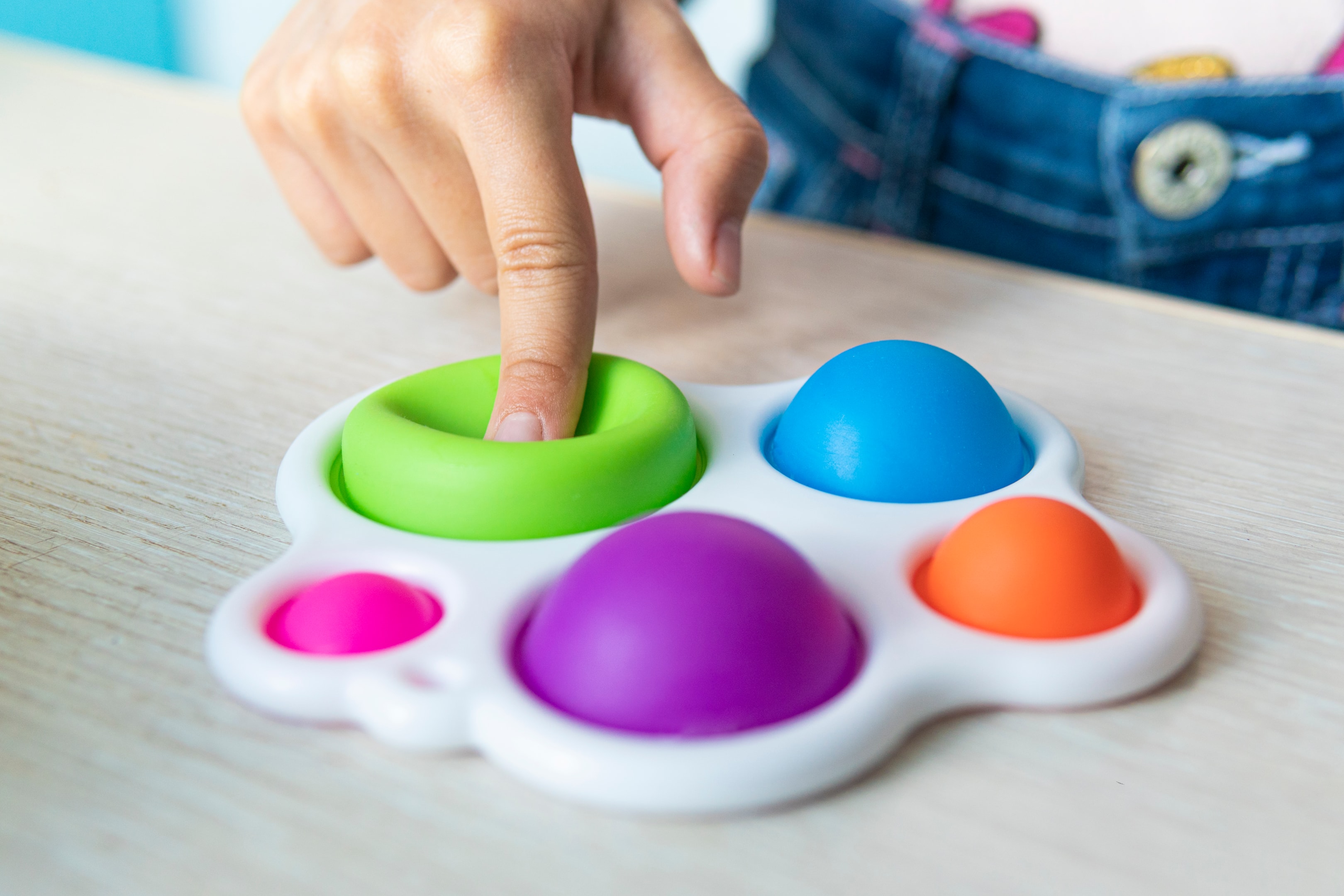
Many sensory toys encourage hand and finger movements. This strengthens fine motor skills needed for daily tasks. Toys that require squeezing, pressing, or twisting help build muscle control. Improved motor skills boost confidence and independence. These skills support activities like writing and dressing.
Choosing The Right Sensory Toy
Choosing the right sensory toy is important for children with autism. The right toy can help with focus, calmness, and learning. Different children have different needs. Finding a toy that fits those needs makes a big difference.
Assessing Individual Needs
Every child with autism has unique sensory preferences. Some may like soft textures, while others prefer firm pressure. Observe the child’s reactions to different sensations. Note what calms or excites them. Choose toys that match these preferences to support their development.
Safety Considerations
Safety is the top priority when selecting sensory toys. Check for small parts that can be a choking hazard. Avoid toys with sharp edges or toxic materials. Always choose toys made from non-toxic, durable materials. Clean toys regularly to keep them safe and hygienic.
Age Appropriateness
Select toys suitable for the child’s age and skill level. Toys too advanced can cause frustration. Toys too simple may not hold interest. Look for toys labeled with age recommendations. This ensures the toy is safe and engaging for the child’s stage of growth.
Incorporating Sensory Toys At Home
Incorporating sensory toys at home helps children with autism feel calm and focused. These toys support their learning and play by providing the right sensory input. Creating a comfortable environment with sensory toys can make daily life easier for both children and parents.
Creating A Sensory-friendly Space
Set up a quiet corner with soft lighting and minimal noise. Use cushions, blankets, or a small tent to make the space cozy. Place sensory toys like squishy balls, textured fabrics, or weighted blankets nearby. Keep the area organized and free of distractions. This space becomes a safe spot for your child to relax and explore.
Routine And Playtime Integration
Include sensory toys in daily routines and playtime activities. Use them during breaks to help your child stay calm. Introduce toys gradually to avoid overwhelming your child. Make playtime predictable by using the same toys regularly. This builds comfort and helps your child learn how to use them effectively.
Professional Guidance And Support
Professional guidance plays a key role in using sensory toys for autism. Experts help choose the right toys based on a child’s needs. They also teach how to use toys to support learning and development.
Support from professionals ensures safety and effectiveness. It also helps families understand the best ways to help their children. This guidance makes using sensory toys more meaningful and productive.
Working With Therapists
Therapists know how sensory toys affect children with autism. They assess each child’s sensory needs carefully. Therapists suggest specific toys that target those needs. They also show families how to use toys during therapy sessions. This teamwork helps children improve focus, calmness, and motor skills.
Monitoring Progress
Tracking a child's response to sensory toys is important. Professionals observe changes in behavior and skills over time. They adjust toy choices and strategies based on progress. This ongoing monitoring ensures the child benefits fully. It also highlights areas needing more support or different approaches.
Frequently Asked Questions
What Are Sensory Toys For Autism?
Sensory toys for autism are specially designed items that stimulate the senses. They help improve focus, reduce anxiety, and support sensory processing in autistic individuals. These toys engage touch, sight, sound, and movement to provide calming or alerting sensory input.
How Do Sensory Toys Benefit Autistic Children?
Sensory toys help autistic children by enhancing their motor skills, attention, and emotional regulation. They provide soothing sensory experiences, reduce stress, and encourage exploration. These toys support learning and communication by offering controlled sensory input tailored to individual needs.
Which Sensory Toys Are Best For Autism?
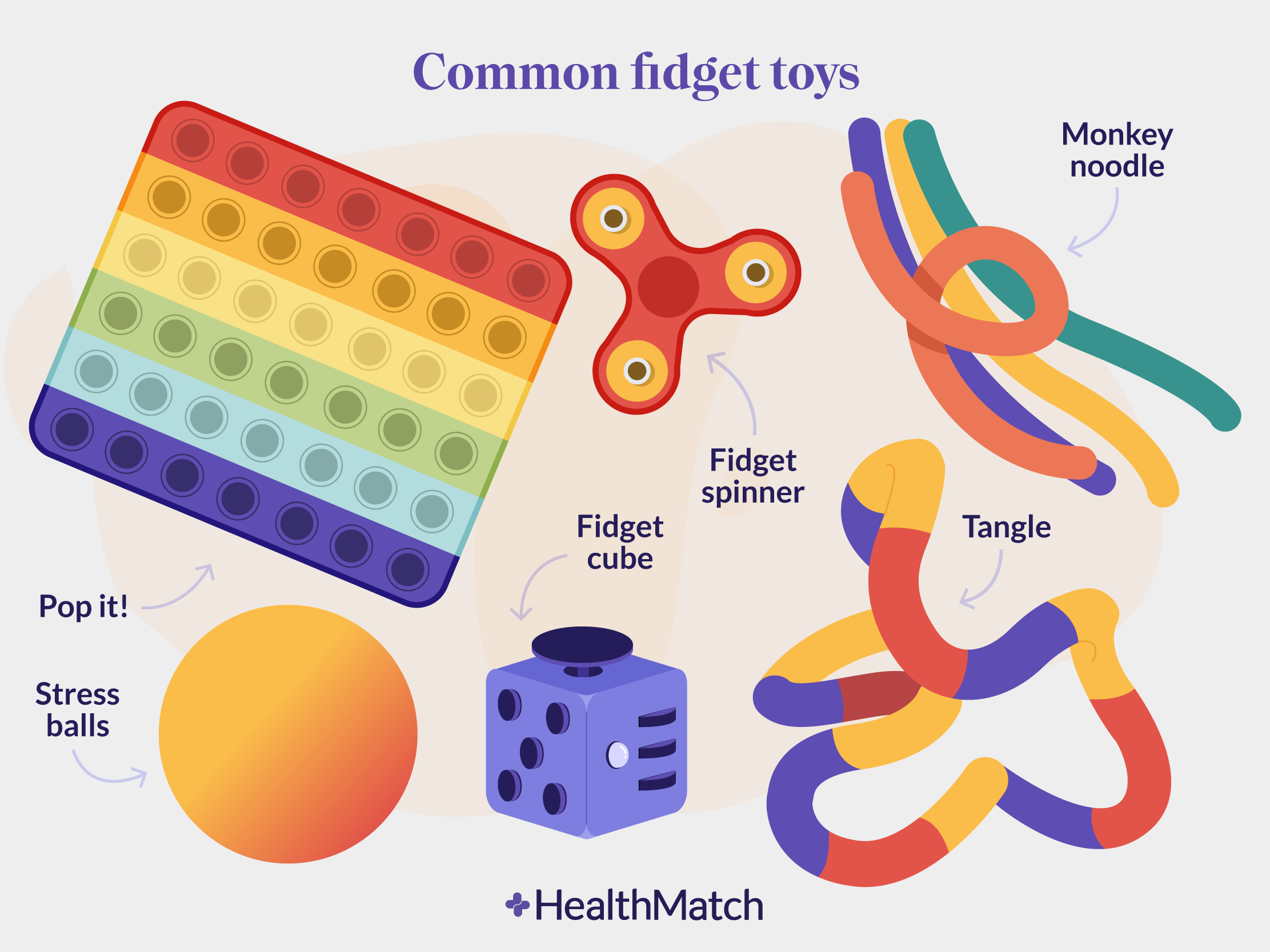
The best sensory toys for autism include fidget spinners, textured balls, weighted blankets, and chewable jewelry. These toys offer tactile, proprioceptive, and oral sensory stimulation. Choosing toys depends on the child’s sensory preferences and therapy goals to maximize benefits.
Can Sensory Toys Improve Autism Behavior?
Yes, sensory toys can improve behavior by calming sensory overload and reducing frustration. They help autistic individuals self-regulate emotions and focus better. Consistent use of sensory toys supports positive coping strategies and decreases disruptive behaviors.
Conclusion
Sensory toys help children with autism feel calm and focused. They support learning and improve social skills gently. These toys offer fun ways to explore senses safely. Choosing the right toy depends on each child’s needs. Parents and caregivers can watch how kids respond.
Small changes can make a big difference every day. Sensory toys create moments of joy and comfort. They become tools for growth and connection. Simple, thoughtful play matters a lot.