Have you ever wondered what makes a rattle toy so fascinating to your little one? You might think it’s just a simple toy, but inside, there’s more than meets the eye.
Understanding what’s inside a rattle toy can help you appreciate how it captures your baby’s attention and supports their development. If you’re curious about the secrets hidden inside these playful gadgets, keep reading—you’ll discover surprising details that might change the way you see this everyday toy.
Rattle Toy Basics
Rattle toys are simple playthings that make sounds when shaken. They are great for babies to explore noises and hold objects.
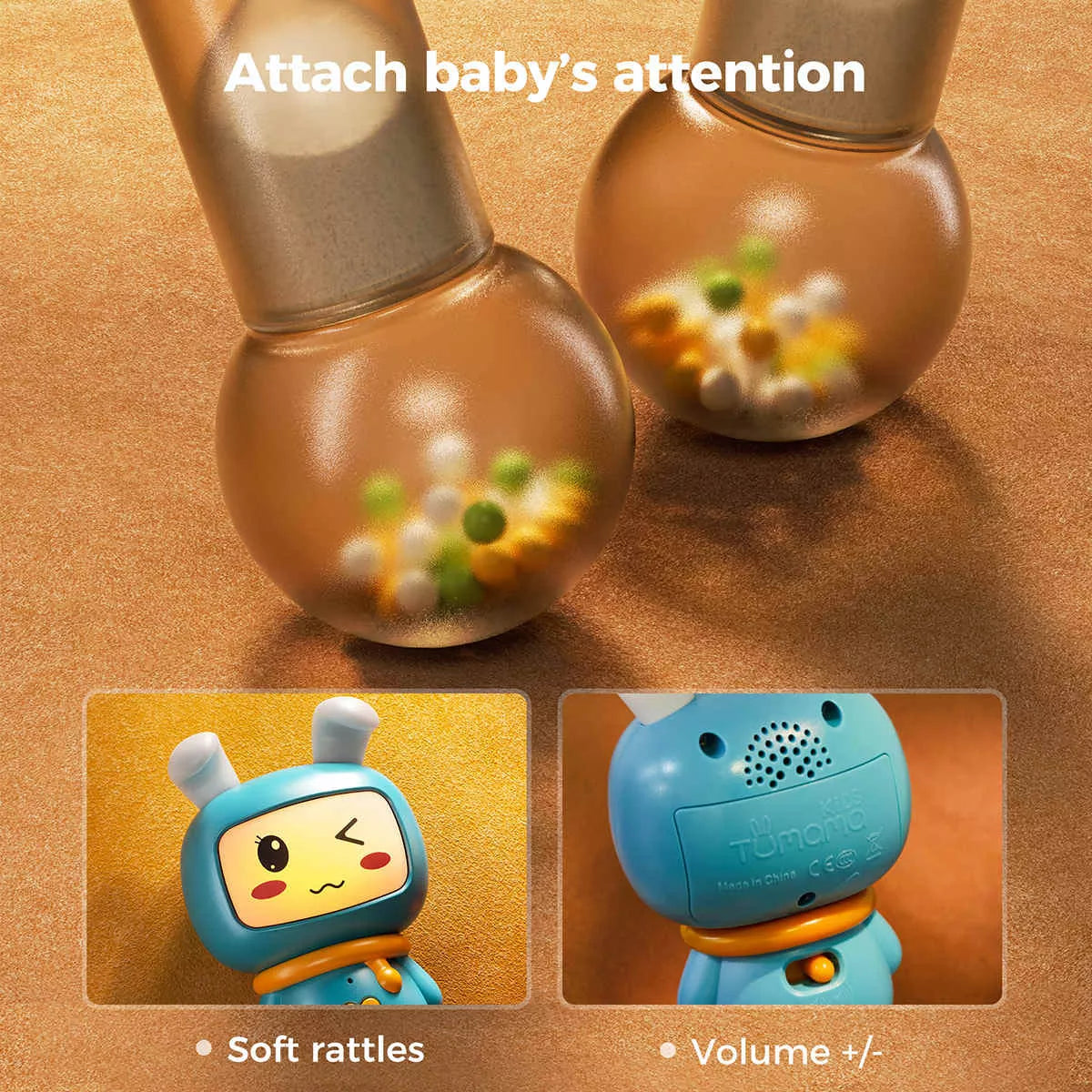
Inside a rattle toy, small parts create the rattling sound. The design is safe and fun for young children.
Common Materials Used
Rattle toys use materials that are safe and durable. These materials help produce the sound and keep the toy light.
- Plastic: Lightweight and easy to shape
- Wood: Natural feel and sturdy
- Metal: Used for small beads inside
- Fabric: Soft covers for safety
- Rubber: Flexible and safe to chew
Typical Shapes And Sizes
Rattle toys come in many shapes and sizes. They fit comfortably in a baby’s hand and are easy to shake.
| Shape | Size Range | Purpose |
| Ring | 3-5 inches diameter | Easy to grip and shake |
| Ball | 2-4 inches diameter | Rolls and rattles |
| Animal | 4-6 inches tall | Fun shapes to hold |
| Bar | 5-7 inches long | Simple to grasp with two hands |

Core Components Inside
A rattle toy makes noise when shaken. Inside, it has parts that create sound and shape.
These parts work together to make the rattle fun and safe for babies and toddlers.
Sound-producing Elements
The main job of a rattle is to make sound. Inside, there are small objects that hit each other.
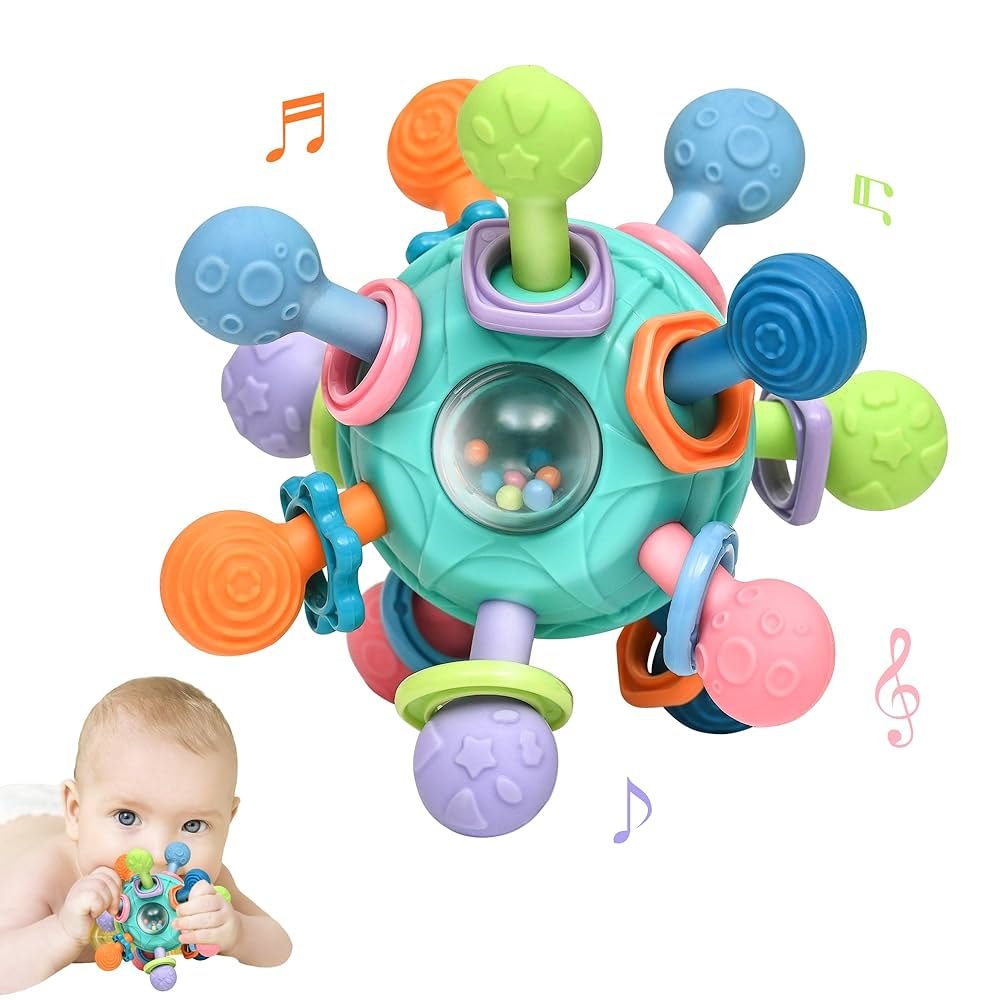
These objects can be beads, balls, or small pellets. When the rattle moves, they bounce and create noise.
- Plastic or wooden beads
- Small metal balls
- Pellets made of plastic or metal
Internal Structure And Design
The inside of a rattle is shaped to hold sound parts safely. It keeps small pieces from falling out.
The structure is often hollow with space for the beads to move freely and hit the walls.
- Hollow plastic or wood shell
- Secure seals to keep parts inside
- Smooth inner surfaces for better sound
How Sound Is Created
A rattle toy makes sounds using small objects inside it. When shaken, these objects hit the toy's walls or each other.
The noise depends on the materials, shapes, and space inside the rattle. Movement causes the sound to start.
Types Of Noise Makers
Inside a rattle, noise makers can be beads, bells, or pellets. Each creates a different sound.
- Beads: Small hard balls that clack against each other.
- Bells: Tiny bells ring when moved.
- Pellets: Small pellets hit the sides softly for a gentle sound.
Role Of Movement And Space
Sound changes with how the rattle moves and how much space is inside. More room lets objects move freely.
| Factor | Effect on Sound |
| Amount of Space | More space makes louder and longer sounds |
| Speed of Movement | Faster shaking causes sharper sounds |
| Material Inside | Hard materials make louder noises than soft ones |
Safety Features
Rattle toys are made with safety as a top priority. Parents need to know these toys are safe for babies.
Inside a rattle toy, certain features protect babies from harm while they play and explore.
Non-toxic Materials
Rattle toys use materials that do not cause harm if babies touch or chew them. These materials are free from dangerous chemicals.
Manufacturers choose paints and plastics that meet strict safety standards to keep babies safe.
- Phthalate-free plastics
- Lead-free paint
- BPA-free components
- Hypoallergenic surfaces
Secure Enclosures
The inside parts of a rattle toy are sealed tightly. This stops small pieces from falling out and causing choking hazards.
Strong seams and locks keep the toy’s components inside, even when babies drop or shake it hard.
- Strong plastic or fabric seals
- Durable screws or glue
- Tested for impact resistance
- No loose parts inside
Innovative Designs
Rattle toys have changed a lot over time. Designers now use smart ideas to make them fun and safe.
Inside these toys, you find more than just small beads or balls. New parts help babies learn and play.
Modern Technology In Rattles
Many rattles now include tiny sensors and sound chips. These parts respond to movement and touch.
Some rattles can light up or change sounds based on how the baby shakes them. This makes playtime more exciting.
- Motion sensors detect shaking speed
- Sound chips produce various tunes or noises
- LED lights glow softly to attract attention
Interactive Elements
Interactive parts inside rattles help babies develop skills. They encourage touch, sight, and hearing.
Some rattles have buttons or textured surfaces inside. These add different sounds or feelings to explore.
- Buttons that change the rattle’s noise
- Different textures for sensory play
- Parts that move when the rattle is shaken
Cleaning And Maintenance
Keeping a rattle toy clean ensures safety for your child. Proper maintenance prolongs its life.
Regular cleaning helps prevent germs from spreading. It is important to follow these simple steps.
Disassembly Tips
Disassemble the rattle toy carefully to clean it thoroughly. Many parts may be detachable.
- Check the toy for screws or latches.
- Use a screwdriver if needed to open parts.
- Keep small pieces away from children.
Material Care
Different materials require different care techniques. Follow these guidelines for each type.
Plastic parts: Wash with mild soap and water. Avoid harsh chemicals.
Fabric parts: Hand wash or use a gentle machine cycle. Air dry thoroughly.
| Material | Care Tip |
| Wood | Wipe with a damp cloth. Avoid soaking. |
| Rubber | Rinse under warm water. Dry with a soft towel. |
| Metal | Use a dry cloth to prevent rust. |

Frequently Asked Questions
What Materials Are Inside A Rattle Toy?
Rattle toys usually contain small beads, pellets, or bells inside a sealed plastic or fabric shell. These materials create sound when shaken, engaging babies and helping develop sensory skills.
How Do Rattle Toys Produce Sound?
Rattle toys produce sound by the movement of small objects inside the toy. When shaken, the beads or pellets hit the inner walls, creating a pleasant rattling noise that captures a baby's attention.
Are Rattle Toy Fillings Safe For Babies?
Yes, reputable manufacturers use non-toxic, baby-safe materials inside rattle toys. The inner components are securely enclosed to prevent choking hazards and ensure safe play for infants.
Why Do Rattles Help In Baby Development?
Rattles stimulate auditory and tactile senses in babies. They encourage hand-eye coordination, motor skills, and cause-and-effect understanding, making them essential early learning toys.
Conclusion
A rattle toy holds simple parts that create fun sounds. Small beads or balls inside hit the walls when shaken. The outer shell keeps these parts safe and secure. This design helps babies learn about noise and movement. Parents can trust rattles are made from safe materials.
Understanding what is inside makes the toy more interesting. Next time you shake a rattle, think about its clever make. It’s a small tool that brings joy and learning together.