Have you ever wondered about the story behind the Tupperware Shape-O toy? If you grew up playing with it or have seen it in vintage collections, you might be curious about when this classic toy first appeared.
Knowing the exact year it came out can take you back to a simpler time and help you appreciate its place in toy history. You’ll discover the surprising launch date of the Tupperware Shape-O toy and why it became a favorite for so many.
Keep reading to unlock the fascinating details that make this toy special for you and generations before you.
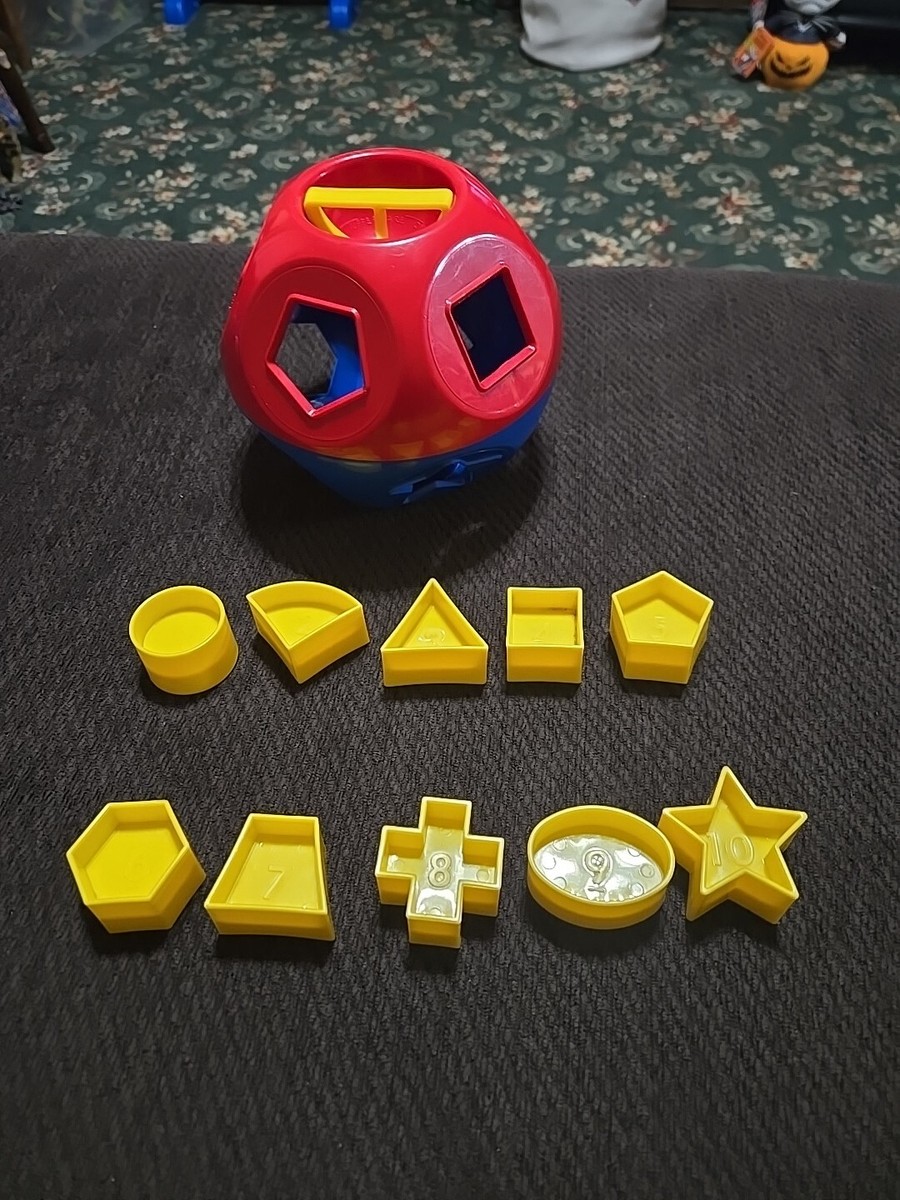
Tupperware Shape-o Toy Launch Year
The Tupperware Shape-O Toy is a classic children’s toy. It helps kids learn shapes and colors.
Many people wonder when this toy first came out. Knowing the launch year helps understand its history.
The Year The Tupperware Shape-o Toy Was Released
The Tupperware Shape-O Toy was launched in 1961. It became popular in the early 1960s.
This toy was designed to be simple and fun. It helped children develop hand-eye coordination.
Features Of The Original 1961 Shape-o Toy
The toy included colorful shapes that fit into matching holes. It was made from durable plastic.
- Bright colored shapes
- Easy-to-handle size for small hands
- Simple design for learning shapes
- Safe materials for children
Why The 1961 Launch Was Important
The launch year shows when Tupperware expanded into toys. It marked a new product type for the brand.
The Shape-O Toy became a popular educational tool in many homes. It helped kids learn while playing.
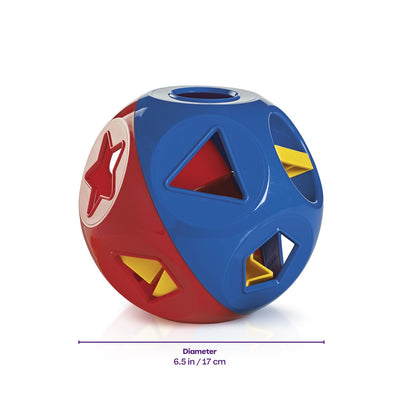
Origins Of Tupperware Toys
Tupperware is famous for its kitchen products. But it also made toys that children loved.
These toys were made from the same durable plastic as the containers. They were colorful and fun to use.
What Year Did The Tupperware Shape-o Toy Come Out
The Tupperware Shape-O Toy first came out in 1968. It was one of the early toys made by Tupperware.
This toy helped children learn shapes and colors. It was both educational and entertaining.
How Tupperware Toys Began
Tupperware started making toys in the 1960s. The company wanted to use its plastic skills for kids’ products.
The toys were safe and easy to clean. Parents liked them because they were tough and colorful.
Materials Used In Tupperware Toys
Tupperware toys used the same plastic as their containers. The plastic was strong and did not break easily.
This made the toys last a long time. Kids could play with them indoors or outdoors without problems.
Popularity Of Tupperware Shape-o Toy
The Shape-O Toy became popular because it was simple and fun. Children enjoyed sorting shapes into the toy.
It helped develop hand-eye coordination and shape recognition. Parents appreciated the learning benefits.
Design And Features Of Shape-o
The Tupperware Shape-O toy appeared in the early 1960s. It was a colorful and fun toy for children.
This toy helped kids learn about shapes and colors while playing. Its design was simple but effective.
Shape Sorting Design
The Shape-O toy had a container with holes in different shapes. Kids could match the blocks to the correct holes.
Each shape was easy to hold and fit perfectly into its slot. This made the toy both fun and educational.
Materials And Colors
Shape-O used bright, eye-catching colors to attract children. The plastic was smooth and safe for kids to touch.
The durable material ensured the toy could last through rough play. This made it a favorite among parents and kids.
Educational Features
Shape-O helped children develop hand-eye coordination and shape recognition. It also encouraged problem-solving skills.
- Matching shapes to holes
- Learning colors
- Improving motor skills
- Encouraging independent play
Size And Portability
The toy was compact and easy to carry. Children could take it to friends’ houses or on trips.
| Feature | Description |
| Size | Small enough for children to hold |
| Weight | Lightweight plastic |
| Portability | Easy to carry and store |
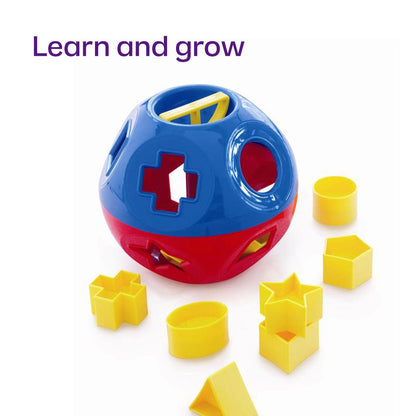
Popularity And Cultural Impact
The Tupperware Shape-O toy was introduced in the 1960s. It quickly became a favorite among children and parents. The toy helped teach kids about shapes and colors in a fun way.
This toy was part of many childhoods and showed the creative side of the Tupperware brand. It remains a symbol of simple, educational play from that time.
Popularity Of The Tupperware Shape-o Toy
The Shape-O toy grew popular because it was easy to use and colorful. Kids liked fitting shapes into the right holes. Parents liked that it helped children learn.
Its bright colors and simple design made it stand out on store shelves. Many families bought it as a first toy for toddlers. It also became a common gift for young children.
Cultural Impact Of The Shape-o Toy
The Shape-O toy reflected the 1960s focus on early education and creativity. It showed how toys could be both fun and helpful for learning. Many parents saw it as a smart choice.
It influenced other toy makers to design simple and educational toys. The Shape-O also appeared in homes and schools, becoming part of childhood culture. Its design is still remembered today.
Collecting Shape-o Today
Shape-O toys by Tupperware first appeared in 1968. These colorful plastic toys are popular with collectors. Many people enjoy finding and keeping these vintage items.
Today, Shape-O toys can be found in various conditions. Collectors look for complete sets and rare colors. Knowing the history helps in identifying valuable pieces.
Where To Find Shape-o Toys
Collectors search in many places to find Shape-O toys. Garage sales, flea markets, and online auctions are common sources. Some collectors also trade with others to complete their collections.
- Garage sales and thrift stores
- Online marketplaces like eBay
- Collector fairs and swap meets
- Social media groups and forums
Identifying Authentic Shape-o Pieces
Authentic Shape-O toys have specific features. Look for the Tupperware logo and the shape design. The plastic should be durable and colorful. Fakes often lack these details.
| Feature | Details |
|---|---|
| Logo | Tupperware brand mark on the toy |
| Material | Hard, colorful plastic |
| Design | Simple geometric shapes with holes |
| Condition | Minimal scratches and no cracks |
Caring For Your Shape-o Collection
Proper care keeps Shape-O toys in good shape. Clean them gently with mild soap and water. Avoid harsh chemicals that can damage the plastic. Store toys in a cool, dry place to prevent warping.
- Use a soft cloth for cleaning
- Keep away from direct sunlight
- Store in airtight containers
- Handle with clean hands
Frequently Asked Questions
When Was The Tupperware Shape-o Toy Released?
The Tupperware Shape-O Toy was released in 1963. It became popular as an educational toy for toddlers. The toy helped children learn shapes and colors in a fun way. Its release marked Tupperware’s entry into the children’s toy market.
What Is Unique About The Tupperware Shape-o Toy?
The Tupperware Shape-O Toy features colorful, durable plastic pieces. It is designed to fit shapes into corresponding holes. This toy promotes fine motor skills and shape recognition. Its sturdy design made it safe and long-lasting for young children.
How Did The Tupperware Shape-o Toy Impact Kids?
The Shape-O Toy helped children develop hand-eye coordination. It encouraged problem-solving and cognitive skills in early childhood. Parents appreciated its educational value and safety. This toy became a classic tool for learning through play.
Is The Tupperware Shape-o Toy Collectible Today?
Yes, the Tupperware Shape-O Toy is considered collectible. Vintage toys from the 1960s have nostalgic and monetary value. Collectors seek well-preserved pieces with original parts. Its rarity adds to its appeal among toy enthusiasts.
Conclusion
The Tupperware Shape-O toy first appeared in the 1960s. It became a favorite for many children during that time. This toy helped kids learn shapes and colors with fun. Even today, it holds a special place in toy history. Understanding its origin adds value to collecting or remembering it.
The Shape-O toy shows how simple designs can bring joy. It reminds us of classic toys that never go out of style.