Are you wondering when it’s safe for your baby to sleep with a stuffed animal? You’re not alone.
Many parents ask this question because they want to keep their little one both happy and safe. Stuffed animals can offer comfort and a sense of security, but timing is key to avoid any risks. You’ll discover exactly when your baby can cuddle up with their favorite plush friend without worry.
Keep reading to learn the expert advice that can help you make the best choice for your child’s sleep and safety.
Risks Of Stuffed Animals In Cribs
Stuffed animals can seem like comforting friends for babies. They offer softness and a sense of security. Yet, these toys in cribs carry some risks. Parents must know these dangers before placing stuffed animals near sleeping babies. Safety is the top priority in any nursery.
Sudden Infant Death Syndrome Concerns
Sudden Infant Death Syndrome (SIDS) is a major worry for new parents. Soft objects like stuffed animals can block a baby's airway. This blockage can cause breathing problems during sleep. Babies cannot move away from these objects easily. This raises the risk of SIDS. Experts advise keeping cribs free from soft items to reduce this risk.
Suffocation And Choking Hazards
Stuffed animals may cause suffocation if they cover a baby’s face. Babies do not have the strength to push heavy toys away. Small parts of stuffed toys can come loose. These parts can become choking hazards. Babies often put things in their mouths. This makes small pieces very dangerous. Careful toy selection and supervision are essential to keep babies safe.
Recommended Age For Introducing Stuffed Toys
Introducing stuffed toys to a baby's sleep routine requires careful timing. Safety is the top priority to prevent any risks during sleep. Parents often ask about the right age to allow stuffed animals in cribs. Understanding the recommended age helps create a safe and comforting environment for babies.
Guidelines From Pediatric Experts
Pediatricians advise waiting until the baby is at least 12 months old. Before this age, soft toys can increase the risk of suffocation. Babies younger than one year lack the motor skills to move objects away from their faces. After 12 months, the risk decreases as babies gain more control over their movements. Stuffed animals should be small, lightweight, and free of loose parts. Always choose toys made from breathable materials and easy to clean fabrics.
Signs Your Baby Is Ready
Watch for signs that your baby can safely handle stuffed toys. Your baby should be able to roll over and push objects away. Interest in holding and cuddling soft toys is a good signal. If your baby can sit up steadily, they are likely ready for a stuffed animal in bed. Observe how your baby interacts with toys during playtime. This helps decide if adding a stuffed animal to sleep time is safe.
Choosing Safe Stuffed Animals
Choosing the right stuffed animal for your baby is very important. Safety should be your top priority. A safe stuffed toy can provide comfort without risks. Parents need to check the toy’s material, size, and parts. This helps prevent accidents and keeps your baby safe during sleep.
Many stuffed animals look soft and cute but may have hidden dangers. A careful choice reduces the chance of choking or allergies. Always pick toys made specifically for infants or newborns. This section explains how to select safe stuffed animals for your baby’s sleep.
Material And Size Considerations
Choose stuffed animals made from non-toxic, hypoallergenic materials. Soft cotton or fleece works well for babies. Avoid toys with rough or scratchy fabric. The size should be small enough for your baby to hold. Large toys might cover the baby’s face and block breathing. A toy about 8 to 12 inches is usually safe.
Check the stuffing inside the toy. It should be firm but soft. Loose stuffing can come out and cause choking. Always wash the toy before giving it to your baby. Clean toys reduce the risk of germs and allergies.
Avoiding Small Parts And Loose Fibers
Small parts like buttons, beads, or eyes can be dangerous. Babies can pull them off and choke. Choose stuffed animals with embroidered eyes and nose. This reduces the risk of loose pieces. Loose fibers can also cause problems. They can get into your baby’s mouth or nose.
Check the toy carefully for loose threads or seams. Strong stitching keeps the toy intact during play and sleep. Regularly inspect the stuffed animal for wear and tear. Replace the toy if you see any damage. Safety always comes first for your baby’s comfort.
Alternatives To Stuffed Animals For Comfort
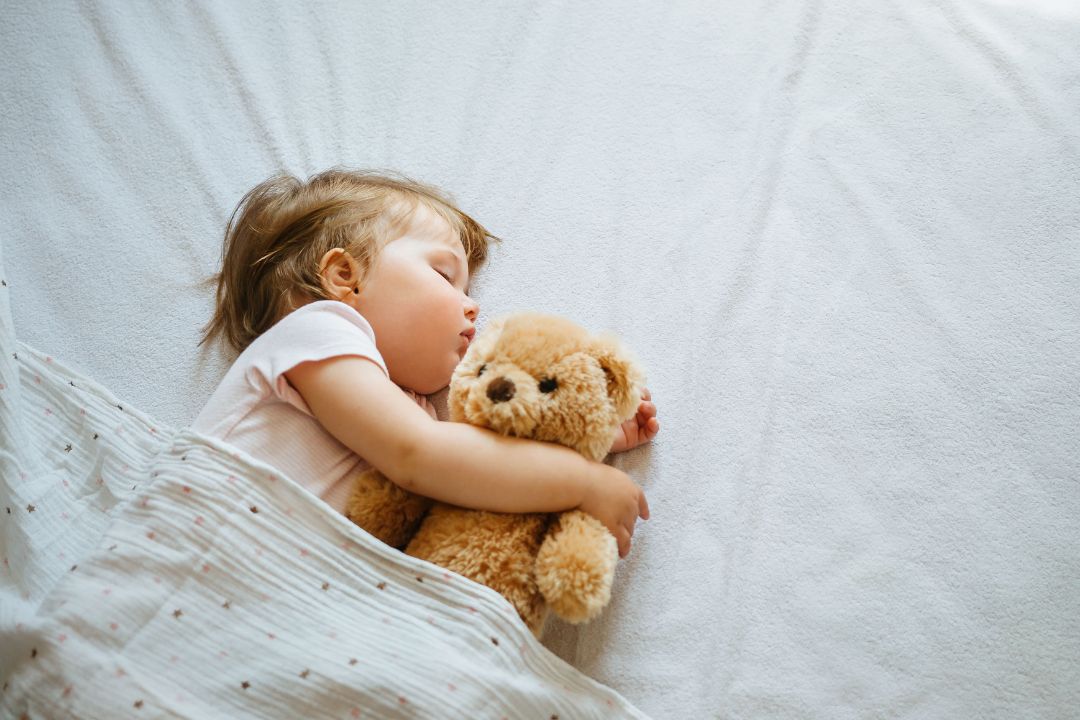
Many parents worry about when a baby can safely sleep with a stuffed animal. Stuffed toys may pose risks for newborns and young infants. Parents can choose safe alternatives that still offer comfort and security. These options help babies feel calm without added hazards. Comfort items can soothe babies to sleep and ease separation anxiety.
Soft Blankets And Loveys
Soft blankets provide warmth and a cozy feeling. Choose small, lightweight blankets made from breathable fabric. Loveys are small comfort objects like cloth animals or soft tags. They are easy to hold and safe for babies. Loveys give a familiar touch that helps babies relax. Use blankets and loveys under supervision to ensure safety.
Pacifiers And Sleep Sacks
Pacifiers help soothe babies by satisfying their natural sucking reflex. They reduce crying and help babies fall asleep faster. Sleep sacks are wearable blankets that keep babies warm without loose bedding. They reduce the risk of Sudden Infant Death Syndrome (SIDS). Sleep sacks give comfort and safety all night long. Both pacifiers and sleep sacks support safe sleep habits.
Safe Sleep Environment Tips
Creating a safe sleep space is key for your baby's rest. It lowers risks and helps your baby sleep soundly. Parents need to know how to set up the crib and control the room's temperature and baby’s position.
Crib Setup Best Practices
Use a firm mattress that fits the crib perfectly. Avoid soft bedding, pillows, or loose blankets. Keep stuffed animals out of the crib until the baby is older. Always place your baby on their back to sleep. Make sure crib slats are no wider than 2 3/8 inches. Remove any toys or bumper pads to prevent suffocation risks.
Room Temperature And Positioning
Keep the room cool, between 68 and 72 degrees Fahrenheit. Dress your baby in light sleepwear to avoid overheating. Use a fan or air conditioner if the room feels warm. Position the crib away from windows, cords, or blinds. This reduces chances of accidents and keeps the baby comfortable. Regularly check your baby’s neck and back to ensure they are not too hot.

Monitoring Your Baby’s Sleep
Monitoring your baby's sleep is important when introducing stuffed animals. Safety must be the top priority. Careful observation helps prevent risks like suffocation or choking. Parents should stay alert to how the baby interacts with toys during sleep. This attention ensures a safe and comfortable sleeping environment for the little one.
Regular Checks And Adjustments
Check on your baby often during naps and at night. Look for signs that the stuffed animal may block breathing or cause discomfort. Adjust the toy’s position if it moves near the baby's face. Remove any loose parts that could come off and pose a risk. Keep the sleep area clear of extra pillows or blankets. These steps help maintain a safe space for your baby.
When To Remove Toys
Remove stuffed animals once your baby starts to roll over or push up. These movements increase the risk of the toy covering their face. Also, take away toys that are too big or soft for the crib. If the baby shows signs of allergies or irritation, remove the stuffed animal immediately. Keep the crib free of toys once your child reaches one year old for safer sleep.
Frequently Asked Questions
When Is It Safe For Babies To Sleep With Stuffed Animals?
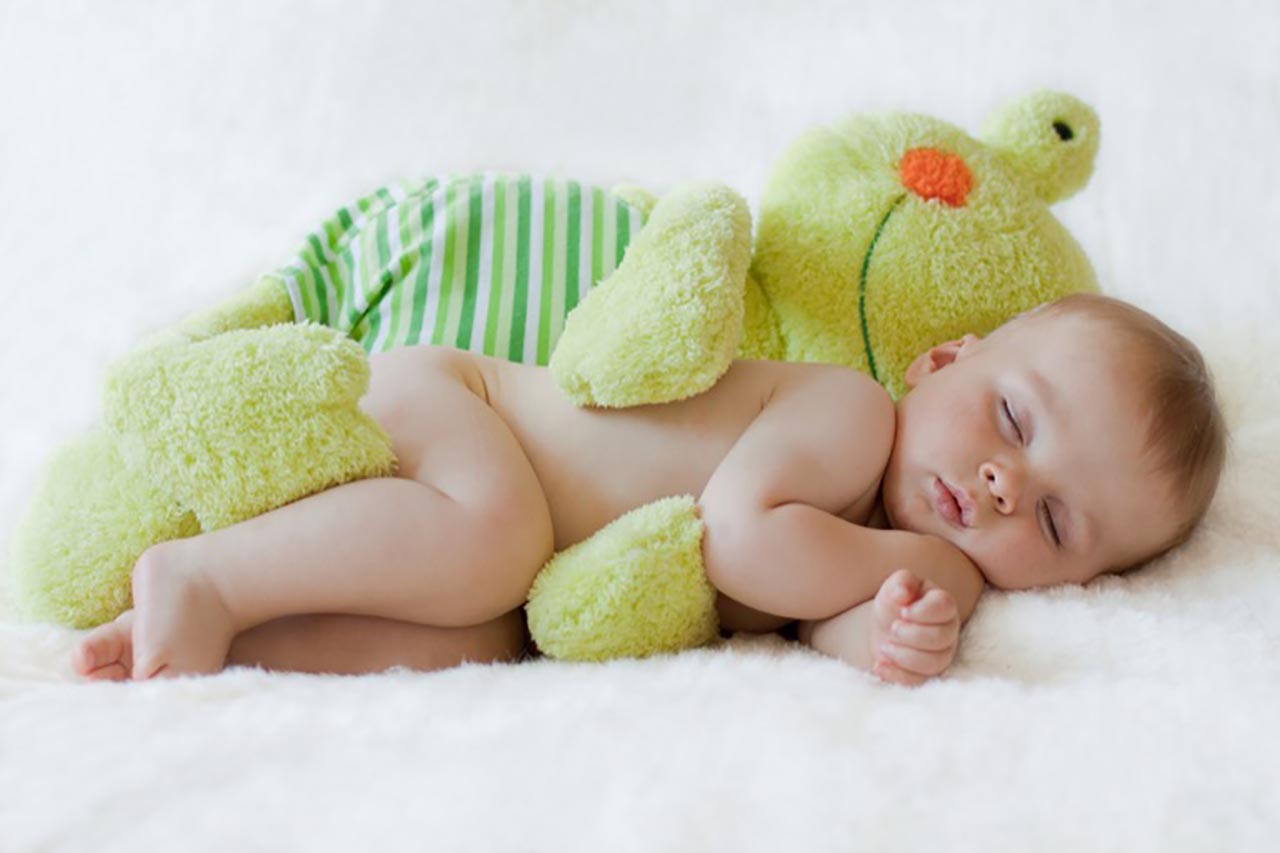
Babies can safely sleep with stuffed animals after 12 months. Before this age, soft toys pose suffocation risks. Always choose small, breathable, and hypoallergenic stuffed animals. Regularly clean the toys to avoid germs. Supervise your baby’s sleep environment for safety.
What Are The Risks Of Stuffed Animals In Baby’s Crib?
Stuffed animals can increase suffocation and choking risks for infants. They may also harbor dust mites and allergens. These risks are highest under 12 months old. Avoid cluttering the crib with toys. Always follow safe sleep guidelines to protect your baby.
How To Choose A Safe Stuffed Animal For Babies?
Select small, lightweight, and washable stuffed animals for babies. Avoid toys with loose parts or long strings. Choose hypoallergenic materials to reduce allergy risks. Ensure the toy is free from choking hazards. Regular cleaning is essential to maintain hygiene.
Can Stuffed Animals Help Babies Sleep Better?
Stuffed animals can provide comfort and security for babies over one year. They may reduce anxiety and promote better sleep routines. However, safety should always come first. Avoid placing toys in the crib for infants under 12 months.
Conclusion
Babies can enjoy stuffed animals safely with some simple rules. Choose soft, small toys without loose parts. Always watch your baby during sleep time. Avoid stuffed animals until your baby is older than one year. Keep the sleeping area clear to reduce risks.
Comfort and safety go hand in hand. Trust your instincts and follow pediatric advice. A cozy, safe sleep helps your baby rest well.