Are you wondering when it’s safe to place stuffed animals in your baby’s crib? You want to create a cozy and comforting space for your little one, but safety always comes first.
Knowing the right time to introduce soft toys can help you protect your baby while still giving them the warmth and companionship they might need. Keep reading to discover expert advice and simple tips that will help you make the best choice for your child’s comfort and safety.

Risks Of Stuffed Animals In Cribs
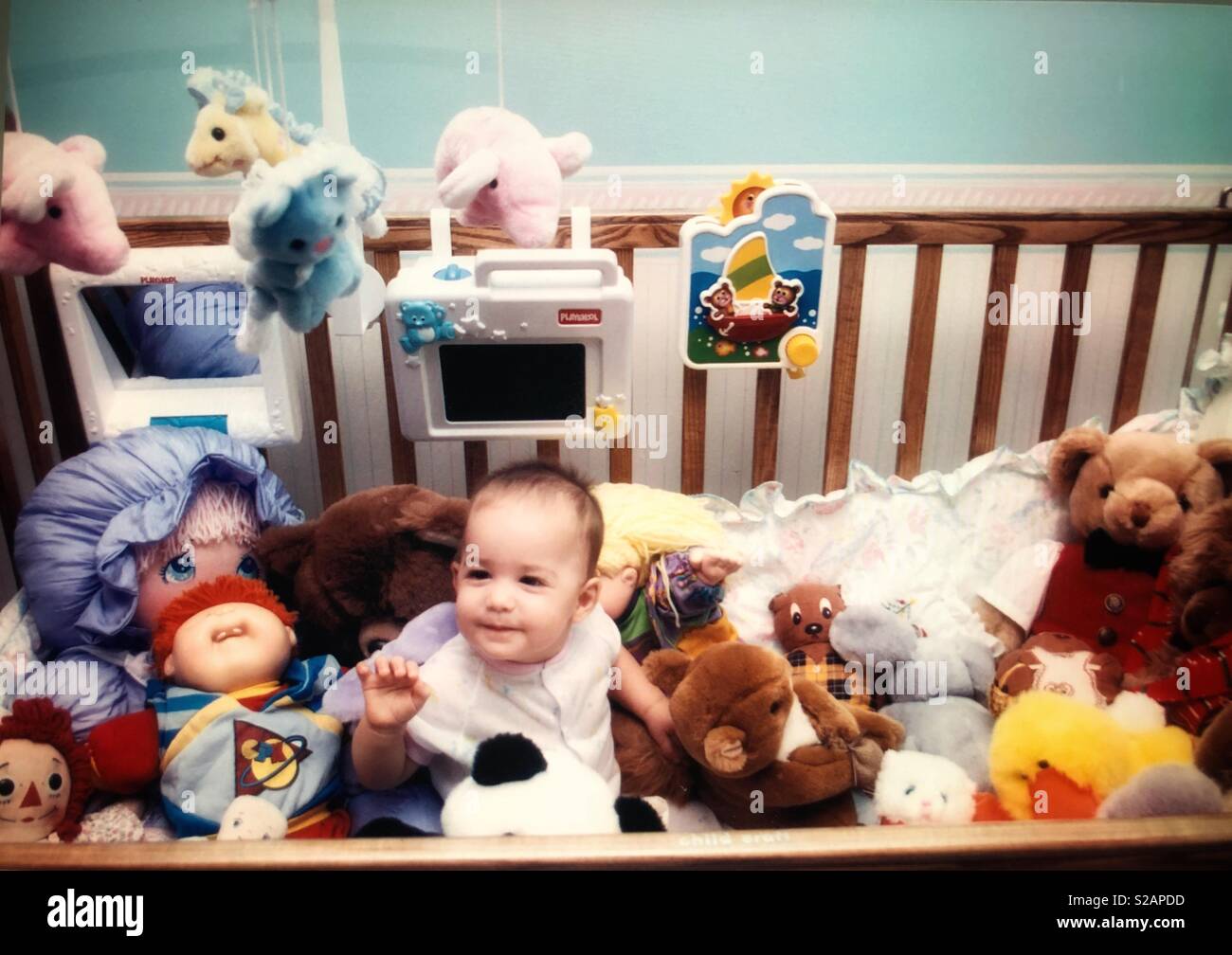
Stuffed animals may seem harmless, but they carry risks in a baby's crib. These soft toys can cause serious safety issues. Parents must understand these dangers before placing stuffed animals with their babies. Safety is the top priority for a good night's sleep.
Suffocation Hazards
Stuffed animals can block a baby’s nose and mouth. Babies cannot move large soft toys away easily. This raises the risk of suffocation during sleep. Soft objects in the crib can trap air and make breathing hard. The safest cribs have no loose items inside.
Allergy Concerns
Stuffed animals gather dust and allergens quickly. Dust mites often live in soft fabrics. Babies with sensitive skin or allergies may react badly. Allergic reactions cause sneezing, coughing, or skin rashes. Keeping the crib free of stuffed toys helps reduce allergy risks.
Choking Risks
Small parts on stuffed animals can come loose. Buttons, eyes, or decorations may fall off. Babies put everything in their mouths. These parts can block airways and cause choking. Choose toys carefully and avoid stuffed animals with small pieces.
Recommended Age For Stuffed Animals
Many parents wonder about the right time to place stuffed animals in their baby’s crib. Stuffed animals can offer comfort and companionship to little ones. But safety is the top priority. Knowing the recommended age helps prevent risks like suffocation or Sudden Infant Death Syndrome (SIDS). Understanding expert advice and your baby’s growth will guide you in making the best choice.
Guidelines From Pediatricians
Pediatricians generally advise keeping stuffed animals out of the crib for the first year. Babies under 12 months face higher risks from soft objects in their sleep area. Experts suggest waiting until your baby can easily move their head and push objects away. This reduces the chance of breathing problems. The American Academy of Pediatrics recommends a clear crib environment for infants under one year.
Developmental Milestones
Watching your baby’s growth helps decide when to add stuffed animals. Babies develop better motor control around 12 months. They start to roll over, sit up, and grab toys safely. At this stage, babies can handle soft toys without danger. This is also when they begin to enjoy comfort objects for emotional support.
Signs Baby Is Ready
Look for signs that your baby can safely have stuffed animals. Your baby should move freely in the crib. They should push away items that bother them. Notice if your baby reaches for and holds soft toys. These signs show readiness for stuffed animals in the sleep space. Always check the stuffed animal is clean and free of small parts.
Choosing Safe Stuffed Animals
Choosing safe stuffed animals for your baby’s crib is very important. Babies explore the world by touching and mouthing objects. The right stuffed animal can offer comfort without risks. Parents must think about material, size, and parts before placing a toy in the crib. Safety should always be the first priority.
Material And Fabric Safety
Soft fabrics like cotton and hypoallergenic materials work best. Avoid stuffed animals with rough or itchy textures. Check for non-toxic dyes and safe stitching. Washable materials help keep the toy clean and germ-free. Avoid synthetic fabrics that might cause allergies or skin irritation.
Size And Shape Considerations
Choose stuffed animals that are small and light. Large toys can block airflow in the crib. Round or simple shapes reduce the risk of suffocation. Avoid toys with sharp edges or hard parts. The toy should fit easily in your hand for safe handling.
Avoiding Loose Parts
Loose buttons, beads, or ribbons can be choking hazards. Stuffed animals should have securely sewn eyes and noses. Avoid toys with small detachable parts. Check seams regularly for signs of wear. Choose toys made in one piece with no parts that can fall off.
Maintaining Cleanliness
Keeping stuffed animals clean is very important for your baby's health. Babies put toys in their mouths and touch them often. Dirty toys can hold germs, dust, and allergens. Clean toys create a safer, healthier crib environment. Regular cleaning helps prevent allergies and infections.
Washing Frequency
Wash stuffed animals every one to two weeks. Frequent washing removes dirt and germs. For toys used daily, wash more often. Follow the care label on each toy. Overwashing can damage some stuffed animals. Spot clean between washes to keep toys fresh.
Safe Cleaning Methods
Use gentle detergents made for baby items. Avoid harsh chemicals that can irritate baby’s skin. Hand wash delicate toys with warm water and mild soap. Machine wash sturdy stuffed animals on a gentle cycle. Use cold or warm water to protect fabric. Air dry toys completely before use.
Preventing Mold And Dust
Make sure stuffed animals dry fully after washing. Damp toys can grow mold and mildew. Store toys in a dry, clean place. Avoid keeping toys near windows or damp areas. Regularly dust stuffed animals with a soft cloth. Vacuum toys with a brush attachment to remove hidden dust.
Alternative Comfort Items
Babies need comfort to feel safe and calm. Stuffed animals in the crib can be risky for very young babies. Parents often choose other items that bring comfort without danger. These alternatives can soothe babies and help them sleep better.
Blankets And Loveys
Small, soft blankets or loveys provide warmth and comfort. Choose lightweight blankets made from breathable fabrics. Loveys are small soft toys or cloths with no loose parts. They are easy for babies to hold and cuddle. Always check for safety labels to avoid choking hazards.
Pacifiers
Pacifiers offer a safe way to calm babies. They satisfy the natural sucking reflex. Use pacifiers designed for infants with one-piece construction. Clean them regularly to keep germs away. Never tie a pacifier around a baby’s neck.
Soft Toys With Safety Features
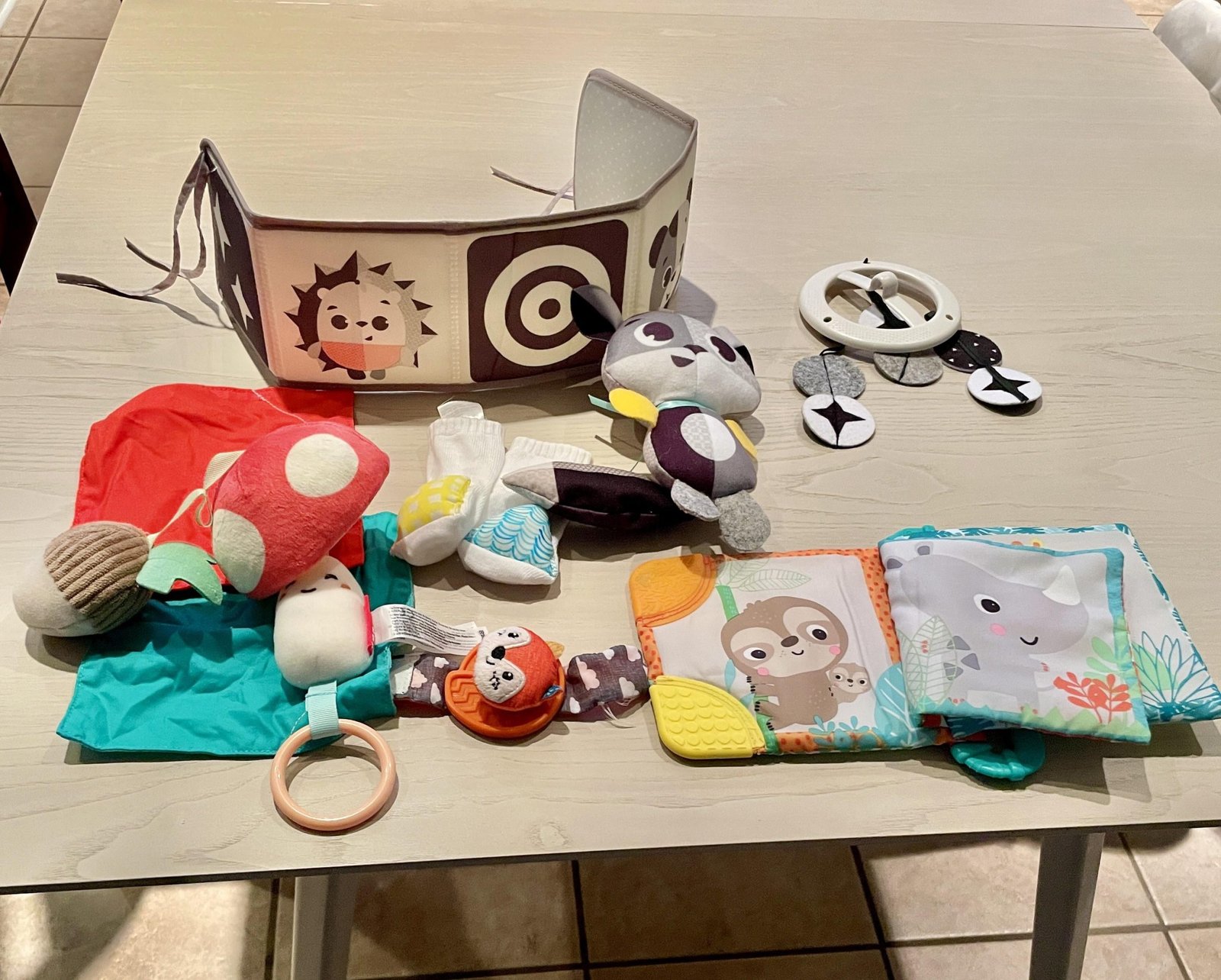
Soft toys made specifically for babies are safer than regular stuffed animals. They have no small parts or loose threads. Choose toys with embroidered eyes and noses. These toys reduce choking risks and provide comfort. Inspect toys often for wear and tear.
Creating A Safe Sleep Environment
Creating a safe sleep environment is very important for your baby's health and comfort. Babies need a space where they can rest without risks. This helps reduce the chance of accidents during sleep. Parents should focus on simple steps to make the crib safe and cozy.
Crib Setup Tips
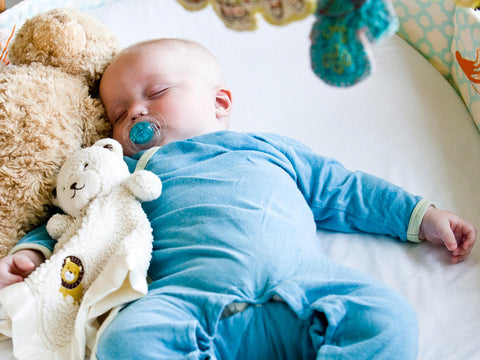
Keep the crib clear of pillows, blankets, and toys. Stuffed animals can cause suffocation hazards. Use a firm mattress with a tight-fitting sheet. Make sure the crib slats are close enough to prevent the baby’s head from getting stuck. Avoid loose bedding or bumpers inside the crib.
Room Temperature Guidelines
Maintain a comfortable room temperature between 68°F and 72°F. Overheating can increase the risk of sudden infant death syndrome (SIDS). Dress your baby in light sleepwear. Use a sleep sack if extra warmth is needed. Avoid heavy blankets or quilts in the crib.
Monitoring Baby During Sleep
Check on your baby regularly while they sleep. Use a baby monitor for peace of mind. Watch for signs of discomfort or overheating. Make sure the baby’s face stays uncovered at all times. Remove any objects that might block breathing or cause choking.
Frequently Asked Questions
When Is It Safe To Put Stuffed Animals In A Baby's Crib?
Stuffed animals should be introduced after 12 months. Before this, they pose suffocation risks. Always choose small, breathable toys to ensure safety.
Why Are Stuffed Animals Risky For Newborns?
Newborns lack motor skills to move objects away. Stuffed animals can block their airway or cause overheating, increasing SIDS risk.
How To Choose Safe Stuffed Animals For Babies?
Select hypoallergenic, washable, and small-sized stuffed toys. Avoid loose parts or long fibers to prevent choking or entanglement hazards.
Can Stuffed Animals Help A Baby's Sleep Routine?
Yes, stuffed animals can provide comfort and security. They help babies self-soothe and create a calming bedtime environment after one year.
Conclusion
Babies need a safe sleep space. Stuffed animals can stay out until about one year old. Soft toys might cause risks like suffocation or choking. Always choose age-appropriate and small stuffed animals. Keep the crib free of loose items for better safety.
Parents should watch their baby’s comfort and health closely. When the baby is ready, stuffed animals can bring joy and comfort. Safety first, then fun. This balance helps babies sleep soundly and grow happily.