Are you wondering when it’s safe for your child to sleep with stuffed animals? You’re not alone.
Many parents ask this question because they want to keep their little ones safe and comfortable at bedtime. Stuffed animals can bring comfort and a sense of security, but you might worry about allergies, choking hazards, or disrupting sleep. You’ll discover the best age for kids to start cuddling their favorite plush friends and how to make bedtime both cozy and safe.
Keep reading to find out exactly when and how stuffed animals can become a perfect bedtime companion for your child.
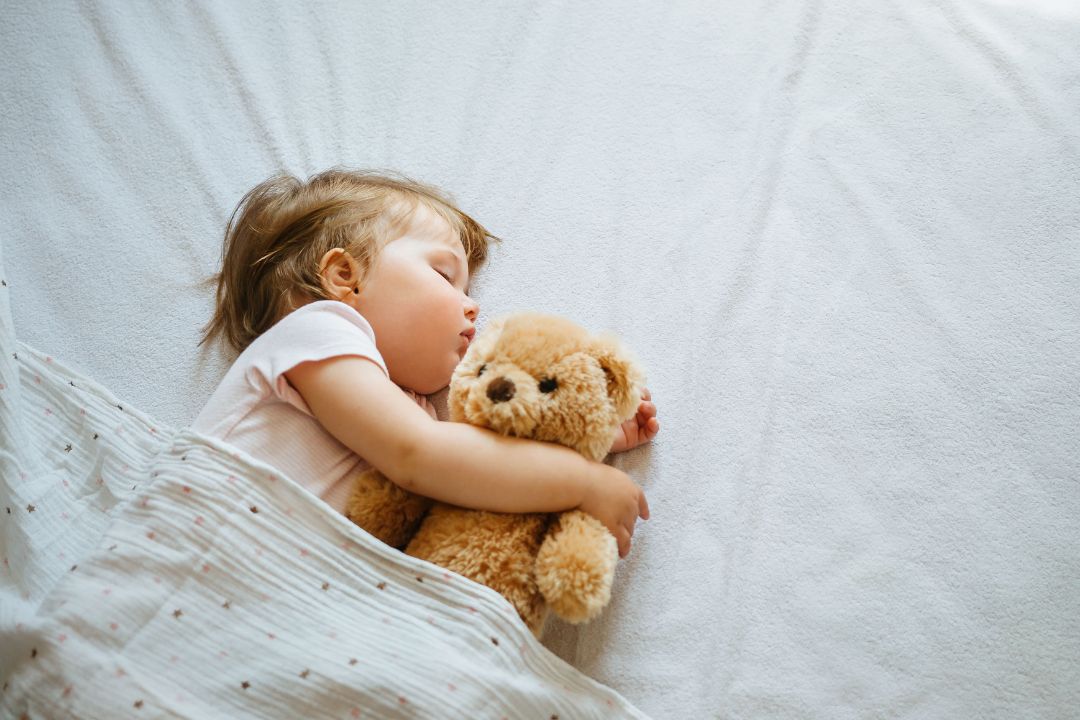
Benefits Of Stuffed Animals At Bedtime
Stuffed animals offer more than just a soft toy for kids. They provide comfort and support during bedtime. These cuddly friends help children feel safe and calm. This makes falling asleep easier. Kids often build a special bond with their stuffed animals. This bond can improve their overall sleep experience.
Emotional Comfort
Stuffed animals act like a friend at night. They help reduce feelings of fear or loneliness. Kids feel less anxious when they hold their toy. This comfort helps lower stress before sleep. It creates a peaceful environment for rest.
Promoting Sleep Routine
Having a stuffed animal can signal bedtime. Kids learn to associate the toy with sleeping. This helps create a consistent sleep routine. A routine makes falling asleep faster and easier. It also improves sleep quality over time.
Encouraging Independence
Stuffed animals help kids feel more independent. They can soothe themselves without needing parents nearby. This builds confidence in managing bedtime alone. Children learn to rely on their own comfort tools. It supports healthy emotional growth.

Age Guidelines For Stuffed Animals
Stuffed animals offer comfort and companionship to children. Knowing the right age for kids to sleep with them is important. Age guidelines help parents keep safety in mind while encouraging emotional growth.
Infants And Safety Risks
Infants under 12 months should not sleep with stuffed animals. Soft toys can block their breathing. They increase the risk of suffocation and Sudden Infant Death Syndrome (SIDS). A clear crib is safest for babies. Avoid placing any loose items in the crib.
Toddlers And Transition
Toddlers around 1 to 3 years old can start using stuffed animals. Choose small, lightweight toys without loose parts. These help toddlers feel secure during bedtime. Stuffed animals can ease the transition from crib to bed. Always check for cleanliness and wear to keep them safe.
Preschoolers And Beyond
Preschoolers and older children usually enjoy stuffed animals at night. These toys can support imagination and emotional comfort. Kids learn to care for their stuffed friends. Encourage regular washing to keep germs away. At this age, stuffed animals become bedtime companions and sources of comfort.
Safety Tips For Stuffed Animals
Stuffed animals can bring comfort to kids at bedtime. Safety is very important when choosing these toys. Parents must check every detail to keep children safe while they sleep. Small risks can become big problems if ignored. Simple safety rules help create a cozy and safe sleep space for kids.
Choosing The Right Size
Select stuffed animals that fit the child’s age and bed size. Large toys can cover a child’s face and block breathing. Small toys may fit better, but not too tiny to avoid choking risks. A medium-sized stuffed animal is often safest for young kids.
Avoiding Small Parts
Check for buttons, beads, or eyes that can come loose. These small parts can cause choking if swallowed. Choose toys with embroidered or securely sewn features. Avoid stuffed animals with loose strings or ribbons that can wrap around fingers or neck.
Keeping Stuffed Toys Clean
Wash stuffed animals regularly to remove dust and germs. Use gentle soap and warm water or follow the label instructions. Clean toys reduce allergies and infections. Dry toys completely before giving them back to children to prevent mold growth.
Comfort Tips For Kids
Stuffed animals can bring comfort to children at bedtime. These soft toys often become friends that help kids feel safe and calm. Creating a cozy and soothing sleep environment is important. Here are some tips to help kids enjoy their stuffed animals while resting well.
Personalizing The Toy
Let your child choose a special stuffed animal. Giving the toy a name makes it unique. Personal touches create a strong bond between the child and the toy. This connection can reduce anxiety and promote peaceful sleep.
Establishing A Bedtime Routine
Include the stuffed animal in the nightly routine. Holding or hugging the toy signals it is time to relax. Consistent routines help children feel secure. A calm and predictable bedtime routine improves sleep quality.
Limiting Number Of Toys
Keep only one or two stuffed animals in bed. Too many toys can distract or overwhelm a child. A simple sleep space helps the child focus on rest. Fewer toys reduce mess and create a peaceful atmosphere.
Signs Your Child Is Ready
Knowing when your child is ready to sleep with stuffed animals helps create a safe, comforting bedtime. Children show clear signs when they want to share their sleep space with a cuddly toy. These signs help parents decide the right time to introduce stuffed animals at night.
Expressing Interest
Your child might ask for a stuffed animal at bedtime. They may hug or carry the toy during the day. This shows they feel a connection and want it near. Interest in stuffed animals often grows naturally around age two or three.
Handling The Toy Responsibly
Watch if your child treats the toy gently. They should keep it clean and avoid rough play. Taking care of the stuffed animal shows readiness. It means your child understands the toy is special and needs respect.
Sleeping Independently
Your child should sleep alone comfortably before adding a toy. Independent sleep means they can settle without needing extra help. This skill helps keep stuffed animals safe during the night. It also helps your child feel more secure with the toy nearby.
When To Replace Or Remove Stuffed Animals
Stuffed animals bring comfort to many children at bedtime. Over time, these toys may need to be replaced or removed. This keeps your child’s sleep space safe and clean. Watch for signs that a stuffed animal is no longer good to keep. Pay attention to how your child's sleep habits change. Also, consider any allergies that may develop.
Wear And Tear
Stuffed animals can get dirty and damaged. Tears, missing eyes, or loose stitching are common signs. These make the toy unsafe. Small parts can become choking hazards. Dirty toys may hold germs or bugs. Replace or wash stuffed animals often to keep them fresh. If damage is too bad, it is time to remove them.
Changing Sleep Habits
As children grow, their sleep needs change. Toddlers may love cuddling with stuffed animals. Older kids might outgrow their need for comfort toys. Some kids find stuffed animals too bulky or distracting. Notice if your child stops using their stuffed animal. Remove the toy if it no longer helps them sleep well. Let your child lead the change when possible.
Allergy Considerations
Stuffed animals can collect dust, mold, and pet dander. These can cause allergies or worsen asthma symptoms. Watch for sneezing, coughing, or itchy eyes at night. Washing stuffed animals regularly helps reduce allergens. Some kids may need to avoid stuffed animals entirely. Consult your doctor if allergies affect your child’s sleep.
Frequently Asked Questions
When Is It Safe For Kids To Sleep With Stuffed Animals?
Kids can safely sleep with stuffed animals after age 1, when SIDS risk lowers. Always choose clean, small, and hypoallergenic toys to reduce choking or allergy risks.
Are Stuffed Animals Good For Children’s Sleep?
Yes, stuffed animals can comfort kids and improve sleep quality. They provide security and reduce anxiety, helping children fall asleep faster and feel safe through the night.
How To Choose Safe Stuffed Animals For Toddlers?
Pick stuffed animals without small parts or loose threads. Opt for washable, hypoallergenic materials to keep toys clean and safe. Avoid toys that are too large or heavy.
Can Stuffed Animals Cause Allergies In Kids?
Stuffed animals can trigger allergies if dusty or dirty. Regular washing and choosing hypoallergenic toys help minimize allergic reactions and keep your child healthy.
Conclusion
Kids usually start sleeping with stuffed animals after one year. Parents should check for safety, like no small parts. Soft, clean toys can help children feel calm and happy. Always watch your child’s comfort and sleep habits closely. Stuffed animals can become a bedtime friend and comfort source.
Trust your instincts and your child’s needs. Safe sleep creates peaceful nights for both kids and parents.