Have you ever wondered when your baby will start grabbing that colorful rattle toy you gave them? It’s an exciting moment that shows your little one is growing and learning new skills.
Knowing when this milestone usually happens can help you support your baby’s development and celebrate their progress. You’ll discover the signs to watch for and tips to encourage your baby’s first grasp. Keep reading to find out exactly when your baby might start reaching for that rattle—and how you can make those moments even more special.
Early Reflexive Grasping
Babies begin to show grasping behaviors soon after birth. These early movements are mostly reflexive. They do not yet reach out with intention.
Understanding these reflexes helps explain how babies start grabbing toys like rattles. It is the first step toward purposeful hand use.
The Palmar Grasp Reflex
The palmar grasp reflex appears at birth. When an object touches a baby's palm, the fingers close around it tightly. This reflex helps the baby hold onto things briefly.
- Triggered by touch on the palm
- Occurs without conscious thought
- Usually lasts until 5 to 6 months old
- Helps with early hand strength development
Reflex To Intentional Reach
After reflexive grasping, babies start to reach for objects on purpose. This change happens around 3 to 4 months old. They begin to control their hand movements.
| Age | Grasp Type | Description |
| 0-2 months | Palmar Grasp | Reflexive, automatic finger closing |
| 3-4 months | Intentional Reach | Deliberate hand movement toward objects |
| 5-6 months | Voluntary Grasp | Controlled grasp using fingers and thumb |
First Attempts At Holding Toys
Babies start learning to hold toys as part of their early development. Grabbing a rattle is one of the first ways they explore objects.
This skill helps improve hand strength and coordination. Parents often wonder when their baby will try to hold a rattle.
Age Range For Initial Grabs
Most babies begin to reach and grasp toys between three and six months of age. During this time, their muscles get stronger.
- At about 3 months, babies start to swipe at objects.
- By 4 months, they can usually hold a toy briefly.
- Between 5 and 6 months, babies improve grip and control.
Factors Influencing Early Grasping
Several things affect when babies begin to grab toys. These include physical and environmental factors.
| Factor | Effect on Grasping |
|---|---|
| Muscle Strength | Stronger muscles help babies hold toys sooner. |
| Hand-Eye Coordination | Better coordination allows accurate grabbing. |
| Interest in Objects | Curious babies try to hold toys earlier. |
| Parental Interaction | Encouragement and play support grasping skills. |
Developing Hand-eye Coordination
Babies learn to use their eyes and hands together to explore the world. This skill is called hand-eye coordination.
Grabbing toys like rattles helps babies practice watching and reaching at the same time.
Tracking Moving Objects
Babies start to follow objects with their eyes before they can grab them. This tracking helps their brains and eyes work together.
- At about 2 months, babies begin to watch moving objects.
- By 4 months, they can follow a rattle moving side to side.
- This skill prepares them to reach and grab toys.
Reaching With Accuracy
Reaching for a toy takes control and timing. Babies improve their aim as they grow.
| Age | Milestone |
| 3 months | Swipes at objects but misses often |
| 4 to 5 months | Reaches out and grabs objects like rattles |
| 6 months | Grabs and holds toys with better control |

Mastering The Rattle Toy
Babies start grabbing toys as part of their growth. A rattle toy is a great first toy for them to hold.
Holding and shaking a rattle helps babies learn about cause and effect. It also develops their hand muscles.
Recognizing The Toy
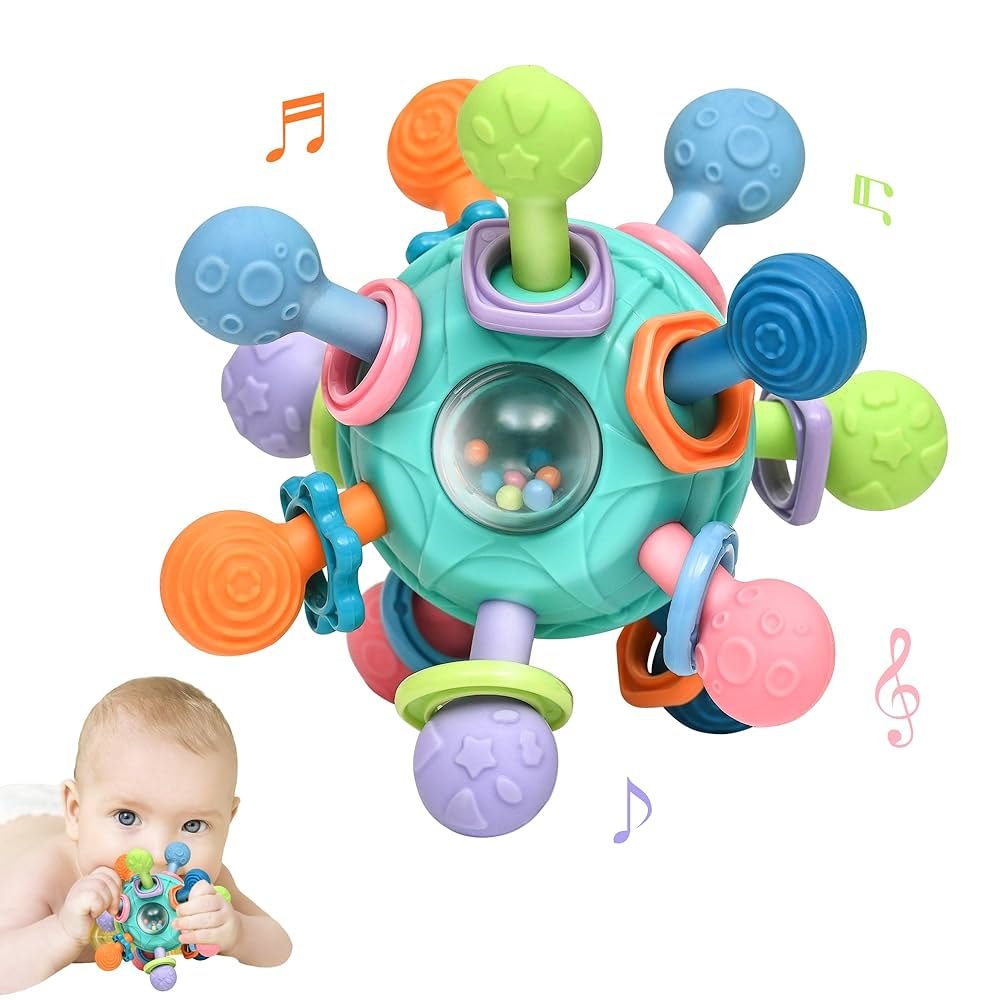
Babies begin to notice the rattle by its bright colors and sounds. They look at it and try to reach for it.
At first, babies watch the rattle move. They learn it is a fun and interesting object to explore.
Shaking And Exploring
Once babies grab the rattle, they often shake it to hear the sound. This helps them connect actions and results.
Shaking the rattle also builds hand strength and coordination. Babies enjoy touching and feeling the toy’s texture.
- Grabbing improves finger and hand control
- Shaking teaches cause and effect
- Exploring textures encourages sensory development
Encouraging Grasping Skills
Babies start to grab objects around 3 to 4 months old. This helps them learn hand control and strength.
Giving babies a rattle toy encourages them to practice grasping and improve their fine motor skills.
Choosing The Right Toys
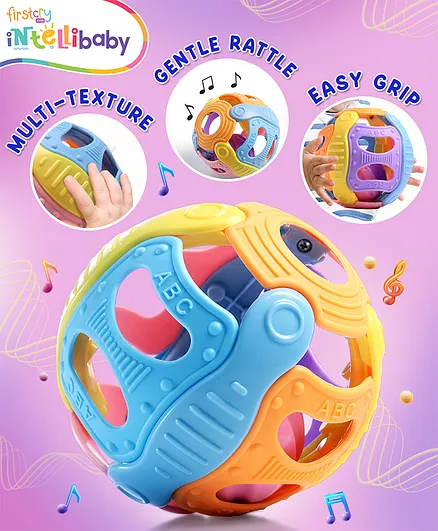
Select rattles that are easy to hold and light. Soft textures and bright colors attract babies’ attention.
Look for rattles made of safe, non-toxic materials. Toys with different shapes help develop finger skills.
- Choose rattles with big handles
- Pick toys with varied textures
- Use bright or contrasting colors
- Ensure toys are light and easy to hold
Safe Play Tips
Always check rattles for small parts that can break off. Keep toys clean to avoid germs.
Never leave babies alone with rattles. Watch them closely during play to prevent choking hazards.
- Inspect toys regularly for damage
- Clean rattles often with mild soap
- Supervise babies while playing
- Avoid rattles with sharp edges

Common Challenges And Solutions
Babies start grabbing toys like rattles around 3 to 4 months old. This is an exciting time for parents as babies discover their hands and coordination.
Sometimes, parents notice their baby has trouble grasping toys. Understanding the reasons can help address these challenges.
Delayed Grasping Milestones
Delayed grasping can worry parents. It might be due to various reasons, such as muscle strength or coordination development.
Parents can help their baby improve by offering different toys. Encourage practice with soft, easy-to-hold rattles.
- Use toys of different textures
- Play gentle hand coordination games
- Ensure regular tummy time for muscle building
When To Seek Professional Advice
If a baby still struggles by six months, it might be time to consult a doctor. Early intervention can support their development.
Professionals can provide exercises and tools for improvement. They may suggest physical or occupational therapy if needed.
| Age | Expected Milestone |
| 3 months | Starts reaching for toys |
| 6 months | Grasps toys well |
Frequently Asked Questions
When Do Babies Typically Start Grabbing Rattle Toys?
Babies usually begin grabbing rattle toys around 3 to 4 months old. This milestone marks improved hand-eye coordination and muscle development. Every baby is unique, so some may start earlier or later. Offering rattles encourages fine motor skills and sensory exploration.
Why Is Grabbing A Rattle Important For Babies?
Grabbing a rattle helps develop hand strength and coordination. It also promotes sensory learning through sound and texture. This activity supports brain growth by connecting touch, sight, and hearing. Early interaction with toys aids overall cognitive and motor development.
How Can I Encourage My Baby To Grab A Rattle?
Place the rattle within your baby’s reach during playtime. Use bright colors and gentle sounds to attract attention. Gently guide their hands toward the toy to build confidence. Repeated practice helps babies learn to grasp and shake rattles effectively.
What Signs Show My Baby Is Ready To Grab Toys?
Look for improved head control and visual tracking of objects. Babies who reach out or swipe at toys show readiness. Increased hand movement and curiosity indicate development. These signs suggest your baby is prepared to practice grabbing rattles.
Conclusion
Babies usually start grabbing rattle toys around 3 to 4 months old. This skill shows their growing hand strength and coordination. Watching your baby reach for a rattle is exciting and important for their development. Offering safe, colorful rattles helps encourage this new ability.
Remember, every baby grows at their own pace. Be patient and keep providing fun toys to support their progress. Enjoy these small but special moments as your baby learns and grows.