Have you ever wondered when your little one will start playing with toys? Watching your infant discover new objects is one of the most exciting moments for any parent.
But knowing the right time for your baby to engage with toys can help you support their growth and keep them happy. You’ll learn exactly when infants begin to play with toys and how you can choose the best ones to encourage their development.
Keep reading—your baby’s next big milestone might be closer than you think!
Credit: www.cnet.com
Toy Interest In Newborns
Newborns begin to show interest in toys very early. Their play is simple but important. Toys help babies learn about the world. At this stage, play is mostly about senses and movement.
Sensory Exploration
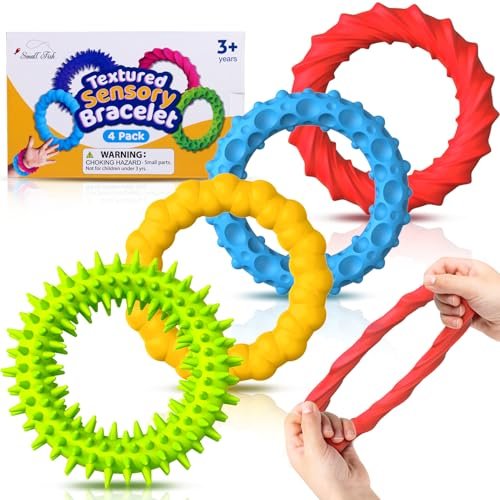
Newborns use their senses to explore toys. They touch soft, smooth, or textured surfaces. Babies feel different shapes and materials. This helps develop their sense of touch. Bright colors and sounds also catch their attention. Toys with gentle rattles or crinkly parts are favorites. Sensory play supports brain growth and coordination.
Visual Tracking
Newborns start to follow moving objects with their eyes. They focus best on high-contrast patterns and faces. Toys with black and white or bold colors work well. Moving a toy slowly helps babies practice eye control. This skill improves their focus and attention. Visual tracking is an early step in learning to see clearly.
Playing At 3 To 6 Months
Between 3 to 6 months, babies start to show more interest in toys. Their senses and movements improve. They begin to explore objects around them. This stage is exciting for both babies and parents. Toys help develop their motor skills and hand-eye coordination. Simple toys with bright colors and different textures attract their attention.
Grasping And Holding
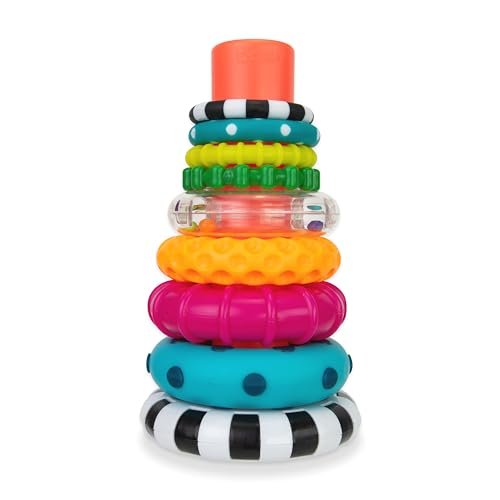
At this age, babies learn to grasp toys with their hands. They start holding objects for a few seconds. Soft toys or rings are easy to hold. Grasping helps strengthen their fingers and wrists. It also boosts their confidence in handling things. Parents can offer different shapes to encourage this skill.
Reaching And Batting
Babies begin reaching out to touch toys. They might swipe or bat toys in front of them. This movement improves arm strength and coordination. Toys that hang above a crib or play mat are perfect. They invite babies to reach and try to grab. This stage shows growing curiosity and eagerness to explore.
Toy Interaction At 6 To 9 Months
Between 6 and 9 months, infants begin to explore toys in new ways. Their growing hand-eye coordination helps them interact more with objects. This stage marks a shift from simple grabbing to purposeful play. Babies start to understand how toys work and enjoy experimenting. Caregivers often see more focused and curious play during this time.
Transferring Objects
At this age, babies learn to move toys from one hand to the other. This action shows improved control and coordination. Transferring objects helps develop both hands equally. It also encourages problem-solving skills as babies figure out how to hold and pass toys. Repeated practice makes this skill stronger day by day.
Cause And Effect Play
Infants begin to understand that their actions can create results. They press buttons or shake toys to see sounds or movements. This type of play teaches cause and effect. Babies enjoy repeating actions to see what happens next. It supports their cognitive growth and keeps them engaged.
Playing Between 9 To 12 Months
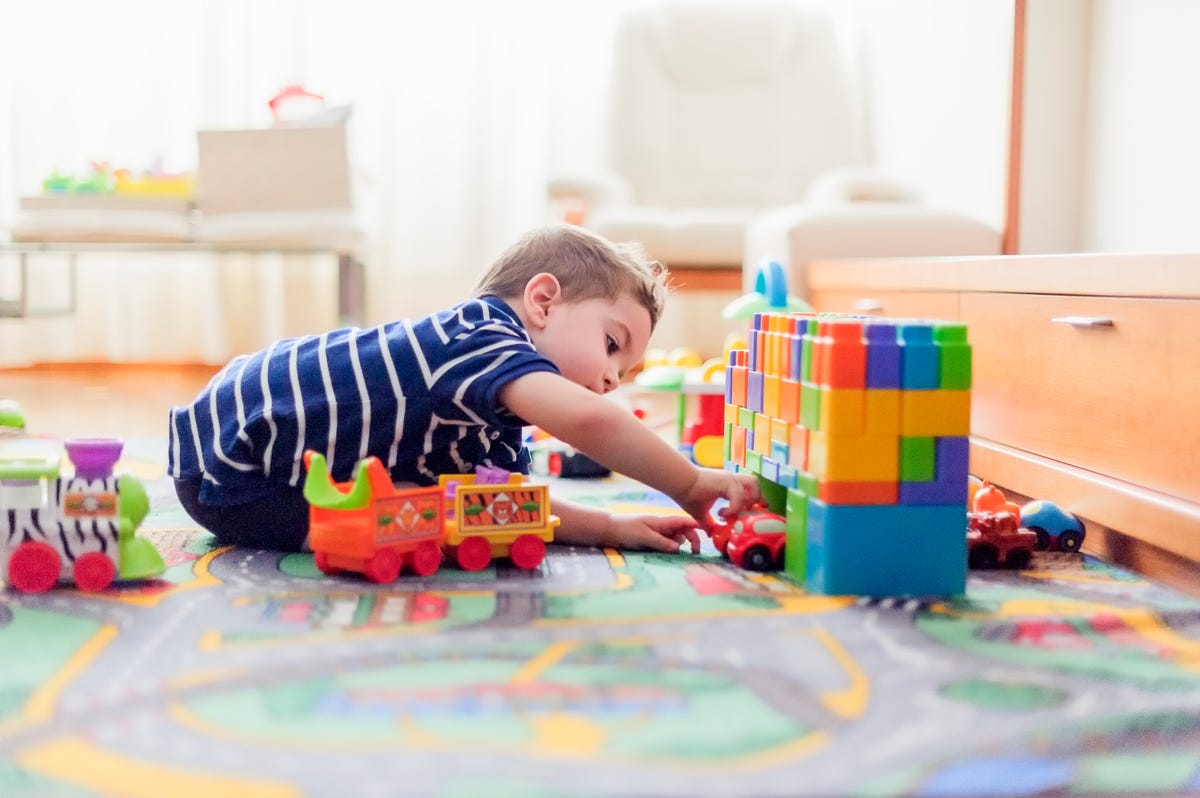
Between 9 to 12 months, infants show new ways of playing. Their curiosity grows quickly. They start to explore toys with more interest and skill. Playtime becomes a way to learn about the world and themselves. Babies enjoy different types of play that help their development.
Imitative Play
At this age, babies love to copy actions they see. They watch adults and try to do the same. For example, they may pretend to talk on a toy phone. This type of play helps them understand daily routines. Imitative play builds social skills and language. Babies also learn how things work by copying.
Problem Solving Skills
Toys that need pushing, pulling, or fitting parts together attract babies. They try to figure out how to use these toys. This practice helps their brain grow and develop logic. Problem solving play builds hand-eye coordination too. Babies feel proud when they succeed. It encourages them to try new challenges.
Choosing Age-appropriate Toys
Choosing toys that fit an infant’s age is very important. Toys must match the baby’s skills and safety needs. Age-appropriate toys help babies learn and enjoy playtime safely. They support growth and keep babies interested.
Every stage of infancy has different needs. Selecting the right toys helps babies explore the world around them. It also builds their confidence and encourages new skills.
Safety Considerations
Safety is the top priority when choosing toys for infants. Toys should have no small parts that babies can swallow. Materials must be non-toxic and free from sharp edges. Check for sturdy construction to avoid breakage. Always buy toys labeled for the correct age. Inspect toys regularly for wear or damage. Clean toys often to keep germs away. Safe toys reduce risks and protect babies during play.
Stimulating Development
Toys that match a baby’s age encourage learning and growth. Soft toys help newborns feel comfort and develop touch senses. Bright colors and simple shapes catch their attention. Toys with different textures build sensory skills. Rattles and musical toys improve hearing and movement. Stacking blocks and simple puzzles promote problem-solving skills. Choose toys that encourage crawling, grasping, and exploring. These toys support brain, motor, and emotional development.

Credit: tellmebaby.com.au
Encouraging Playtime
Encouraging playtime is key to your infant’s growth and happiness. Play helps babies learn about the world around them. It boosts their skills like hand-eye coordination and problem-solving. Creating the right space and joining in makes playtime fun and safe. Below are easy ways to support your infant’s play.
Creating Playful Environments
Set up a safe area for your baby to explore toys freely. Use soft mats or blankets on the floor. Choose toys with bright colors and simple shapes to catch their eye. Keep the space tidy to avoid distractions. Rotate toys often to keep your baby curious and interested.
Engaging With Infants
Spend time playing with your baby every day. Show them how to hold and use toys gently. Talk to your baby during play to build language skills. Smile and cheer to encourage their efforts. Your attention makes playtime more joyful and meaningful.

Credit: www.babycentre.co.uk
Frequently Asked Questions
When Do Infants Start Playing With Toys?
Infants typically start playing with toys around 3 to 4 months. At this age, they begin to grasp and explore objects using their hands and mouth.
What Types Of Toys Do Infants Prefer First?
Infants prefer soft, colorful, and textured toys first. These stimulate their senses and encourage tactile and visual exploration.
How Does Toy Play Benefit Infant Development?
Playing with toys enhances motor skills, hand-eye coordination, and cognitive growth. It also promotes sensory development and early problem-solving abilities.
When Should Parents Introduce Toys To Their Infants?
Parents can introduce age-appropriate toys as early as 3 months. Always ensure toys are safe, non-toxic, and suitable for the infant’s developmental stage.
Conclusion
Infants begin to play with toys as they grow and explore. Around three to six months, babies start to reach and grab objects. By six to nine months, they enjoy more interactive play. Toys help develop their senses and motor skills.
Playtime also encourages curiosity and learning. Every baby is different, so timing may vary. Watching your child play brings joy and insight. Choose safe, age-appropriate toys to support their growth. Play is a vital part of early development. Keep encouraging and sharing these precious moments daily.