Wondering when to give your baby a teether toy? You’re not alone.
As a parent, you want to ease your little one’s discomfort and support their growth at just the right time. Giving a teether too early or too late can leave both of you frustrated. But don’t worry—this guide will help you spot the perfect moment to introduce that soothing teether toy.
Keep reading to discover simple signs and expert tips that make this stage easier for you and your baby.
Signs Baby Is Ready
Babies show clear signs when they need a teether toy. Watching for these signs helps parents know the right time to give one.
Teether toys can soothe babies during their early teething stage. Knowing when to offer one can ease discomfort.
Drooling And Chewing
Babies start drooling more when teeth are about to come in. They also begin chewing on their hands or toys.
These actions show they want to relieve gum pressure. A teether toy gives a safe option for chewing.
- Increased drooling around the mouth and chin
- Frequent chewing on fingers or objects
- Interest in biting or mouthing items
Irritability And Fussiness
Babies often feel cranky when their gums hurt. They may cry more and want extra comfort.
Giving a teether can distract them and reduce fussiness. It helps soothe their sore gums.
- Unusual crying or whining
- Difficulty sleeping or napping
- Seeking extra cuddles or attention
Swollen Gums
Swollen or red gums are a clear sign of teething. The gums may look puffy where teeth will come out.
Teethers help by applying gentle pressure. This can ease the swelling and reduce discomfort.
- Visible puffiness or redness on gums
- Baby touching or rubbing the mouth often
- Signs of mild discomfort around the mouth

Best Age To Introduce
Introducing a teether toy to your baby is an important step. It helps soothe sore gums during teething.
Knowing the right age to start can make this process easier for both you and your baby.
Typical Teething Timeline
Most babies begin teething between 4 and 7 months old. The first teeth usually appear around 6 months.
- Lower central incisors come in first, around 6 months
- Upper central incisors follow, near 8 months
- Molars and canines appear between 12 and 24 months
- By age 3, most children have a full set of 20 baby teeth
Individual Variations
Every baby is different. Some may start teething earlier or later than average.
| Baby | Teething Start Age |
| Baby A | 4 months |
| Baby B | 7 months |
| Baby C | 10 months |
| Baby D | 5 months |
Choosing Safe Teethers
Giving your baby a teether can help soothe sore gums. It is important to choose a safe teether to protect your child.
Safe teethers reduce risks of choking and exposure to harmful materials. Always check the teether before use.
Material Matters
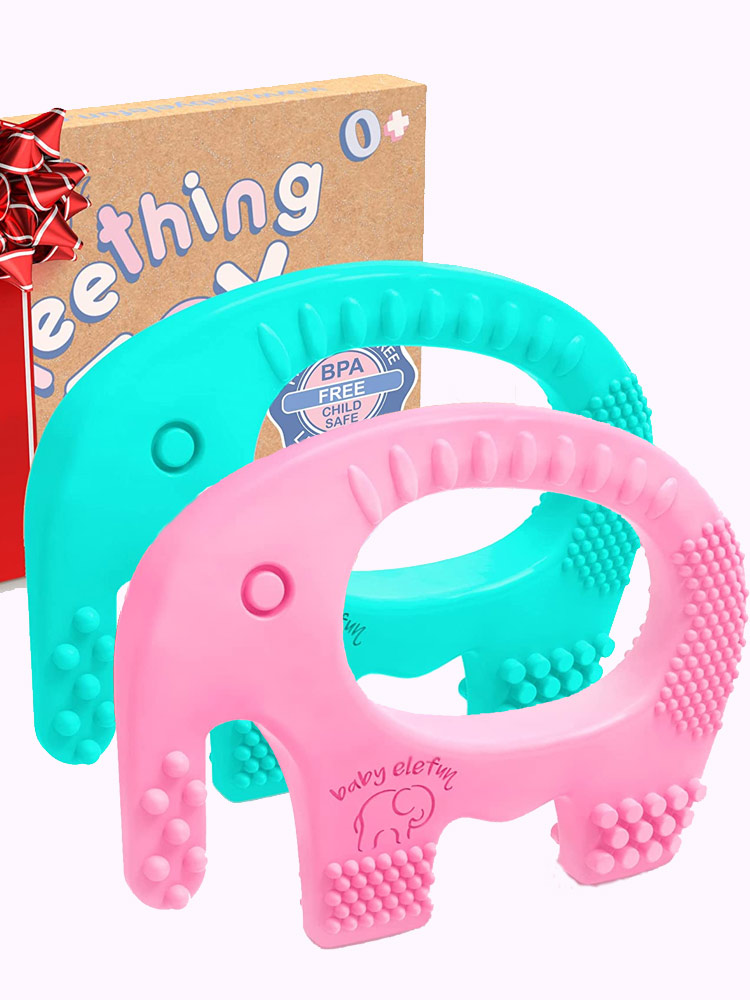
Choose teethers made from non-toxic materials. Avoid those with BPA, phthalates, or lead.
Silicone, natural rubber, and wood are good options. They are soft and safe for babies to chew.
- Look for BPA-free labels
- Check for safe certifications
- Avoid plastic with harsh chemicals
Size And Shape
Pick a teether that fits well in your baby’s hand. It should be easy to hold and chew.
Choose shapes without sharp edges or small parts. Rounded shapes prevent injury and discomfort.
- Small enough for your baby to grab
- Large enough to avoid swallowing
- Simple shapes without small pieces
Avoiding Choking Hazards
Inspect the teether for any loose parts or pieces. Avoid teethers that can break into smaller bits.
Choose teethers that are sturdy and well-made. Regularly clean and check for damage before use.
- No small detachable parts
- Strong materials that don’t crack
- Replace teethers if damaged
Benefits Of Teether Toys
Teether toys help babies during the early months. They give comfort when gums feel sore. Babies also learn with these toys.
Understanding the benefits helps parents choose the right time to give teethers. These toys support growth and skill development.
Soothing Sore Gums
Teether toys provide relief by massaging sore gums. Babies often feel discomfort during teething. Chewing on teethers reduces pain and fussiness.
- Offers gentle pressure to swollen gums
- Distracts babies from discomfort
- Safe and soft materials cool irritated gums
Promoting Oral Development
Teether toys help strengthen mouth muscles. These toys encourage chewing and biting movements. This supports healthy oral growth before teeth appear.
| Benefit | How It Helps |
| Jaw Muscle Strength | Chewing teethers builds muscle control |
| Teeth Alignment | Chewing guides proper tooth growth |
| Speech Readiness | Stronger mouth muscles aid early sounds |
Encouraging Motor Skills
Using teether toys helps babies practice holding and grasping. Babies improve hand-eye coordination by reaching and biting. These actions prepare them for more complex skills.
Motor skills developed with teether toys include:
- Fine motor skills through gripping
- Coordination by bringing toys to mouth
- Exploring textures and shapes
How To Use Teethers Safely
Giving your baby a teether toy can help soothe sore gums. It is important to use teethers safely to protect your baby.
Follow simple steps to keep the teether clean and safe. Always watch your baby while using a teether.
Cleaning And Maintenance
Clean teethers before giving them to your baby. Wash with warm water and mild soap. Rinse well to remove soap.
Check teethers for damage often. Throw away any teether with cracks or tears. Damaged teethers can hurt your baby.
- Wash before first use and after each use
- Use baby-safe cleaning products
- Inspect for damage regularly
- Replace old or broken teethers immediately
Supervision Tips
Always watch your baby when they use a teether. Babies can choke if a teether breaks or pieces come loose.
Keep the teether within easy reach but do not leave your baby alone with it. Stay close and ready to help.
- Hold the teether for younger babies
- Check the teether’s size to avoid choking
- Never leave baby unattended with a teether
Avoiding Overuse
Do not let your baby chew on a teether all day. Overuse can cause irritation to gums or mouth.
Limit teether time to a few minutes at a time. Give breaks between chewing sessions to protect your baby’s gums.
- Use teethers only when baby shows discomfort
- Limit chewing time to 10-15 minutes
- Offer other comfort like cuddling or rocking
Alternative Soothing Methods
Teething can be uncomfortable for babies. Parents often look for ways to soothe their little ones. There are several methods to help ease the pain without using teether toys.
These methods are safe and easy to try at home. Let's explore them to bring comfort to your baby.
Cold Washcloths
A cold washcloth can be a great way to soothe a teething baby. The cold temperature numbs the gums and reduces discomfort.
- Soak a clean washcloth in water.
- Place it in the refrigerator until it is cold.
- Let your baby chew on the cold washcloth.
Gentle Gum Massage
A gentle gum massage can relieve teething pain. This method is simple and requires only clean hands.
- Wash your hands thoroughly.
- Use your finger to gently rub your baby's gums.
- Apply light pressure as you move around the gums.
Teething Biscuits
Teething biscuits are another option to help soothe sore gums. These biscuits are hard enough for babies to chew on and can provide relief.
| Teething Biscuit | Benefit |
| Rice Rusk | Gluten-free |
| Oat Biscuit | Rich in fiber |
| Whole Grain | Nutritious |
When To See A Doctor
Teething can be a challenging time for babies and parents. While most symptoms are mild, there are times you should consult a doctor.
In some cases, symptoms may indicate a need for professional advice. It’s important to know when to seek medical help.
Severe Discomfort
If your baby shows signs of extreme discomfort, it might be time to visit a doctor. Crying that does not stop is a red flag.
- Constant crying for hours
- Refusal to eat due to pain
- Visible swelling in the gums
Fever Or Other Symptoms
Teething can cause mild symptoms, but a high fever is not one of them. Look for other signs that may require attention.
| Symptom | Action |
| Fever above 100.4°F | Consult a doctor |
| Diarrhea | Seek medical advice |
| Rash | Check with healthcare provider |
Delayed Teething
Teething typically starts between 6 and 12 months. If teeth do not appear by 18 months, consult a pediatrician.
Frequently Asked Questions
When Is The Best Time To Give A Baby A Teether Toy?
The best time is when your baby shows teething signs. These include drooling, gum swelling, and biting. Usually, this starts around 3 to 6 months. Offering a teether toy helps soothe their discomfort safely.
How Do Teether Toys Help Soothe Babies?
Teether toys provide gentle pressure on sore gums. This relieves pain and reduces irritability. The different textures also stimulate baby's gums. Chewing on safe teethers can distract and calm a fussy baby during teething.
What Types Of Teether Toys Are Safest For Babies?
Choose BPA-free, non-toxic, and easy-to-clean teethers. Silicone and rubber teethers are popular options. Avoid small parts that can pose choking hazards. Always check for safety certifications before giving a teether to your baby.
Can Teether Toys Prevent Teething Pain Completely?
Teether toys help reduce pain but don’t eliminate it fully. They provide comfort and distraction during teething. For severe discomfort, consult a pediatrician for additional remedies or advice.
Conclusion
Giving a baby a teether toy helps soothe their sore gums. Most babies start teething around six months old. Watch for signs like drooling and fussiness. Choose safe, BPA-free teethers that are easy to hold. Clean the teether regularly to keep it hygienic.
Let your baby explore it freely but always supervise. Teether toys can make teething less painful and more fun. Remember, every baby is different, so trust your instincts. Start early, stay patient, and enjoy this special time.