Have you ever wondered where your favorite Tonka toys come from? If you’ve played with those sturdy little trucks or collected them over the years, knowing their origin can make them even more special.
Understanding where Tonka toys are made gives you a glimpse into the quality and craftsmanship behind each piece. Keep reading, and you’ll discover the surprising story of how these iconic toys are brought to life—and why it matters for you and your collection.

Credit: unityrecovery.org
History Of Tonka Toys
Tonka Toys has a rich history that spans many decades. The brand became famous for making strong, durable toy trucks that children loved. Understanding this history helps us know why Tonka remains popular today.
Early Beginnings
Tonka started in the late 1940s. The company was based in Minnesota, USA. It began by making metal toys. The name "Tonka" comes from the Dakota word for "great" or "big."
At first, Tonka made small, simple toys. Their focus was on quality and toughness. These toys could handle rough play. This made Tonka stand out from other toy makers.
Rise To Popularity
In the 1950s and 1960s, Tonka's fame grew quickly. The company introduced new toy trucks, like dump trucks and fire engines. Kids enjoyed playing with these realistic models.
Tonka trucks were known for their metal bodies and strong wheels. They became a favorite gift for boys and girls. The toys lasted a long time, which made parents happy.
By the 1970s, Tonka was a top toy brand in the United States. The company kept improving its products. Tonka’s toys appeared in many stores across the country.

Credit: www.amazon.com
Original Manufacturing Locations
Tonka Toys began their journey in specific places known for strong manufacturing. These original locations shaped the brand's identity. They built a reputation for making tough, durable toy trucks and vehicles. Understanding where Tonka started helps us appreciate its history and quality.
Minnesota Roots
Tonka Toys started in Minnesota. The company used local factories to create their first toys. Minnesota’s rich industrial background made it an ideal spot. Skilled workers crafted metal toys that could last through rough play. The community took pride in these rugged toys.
Expansion In The Us
As demand grew, Tonka expanded to other US locations. Factories opened in different states to increase production. This growth kept the brand close to its American customers. Tonka’s toys remained known for strong build and reliability. The company kept its focus on quality across all sites.
Current Production Sites
Tonka Toys have a long history of being made in the USA. Over time, the production has changed locations. Today, the toys are made in different places around the world. This shift helps meet demand and keep costs low.
Shift To Overseas Factories
Tonka Toys moved most of their production outside the USA. This started in the late 20th century. Making toys overseas is cheaper. Factories in other countries can produce many toys quickly. This change helped Tonka stay competitive in the toy market.
Countries Involved Today
Today, Tonka Toys are made in countries like China and Vietnam. These countries have large factories that focus on toy making. They have skilled workers and modern machines. Some parts may still come from the USA, but most assembly happens abroad. This global production keeps Tonka toys affordable and available worldwide.
Materials And Craftsmanship
Tonka Toys have a long history of being sturdy and reliable. Their materials and craftsmanship play a big role in this reputation. The toys are made to last through rough play and many adventures. Each part is carefully chosen for strength and safety. The crafting process combines traditional skills with modern methods. This ensures every Tonka toy meets high standards of quality.
Quality Standards
Tonka uses strong metals and durable plastics. These materials resist breaking and bending. Every toy goes through strict safety tests. The tests check for sharp edges and toxic substances. This keeps children safe while they play. Quality control teams inspect toys at every step. They make sure each product matches Tonka’s trusted name.
Changes In Manufacturing Techniques
Manufacturing has evolved over the years. Early Tonka toys were made mostly of steel. Today, factories use lighter metals and tough plastics. New machines help shape parts more precisely. This improves the fit and finish of each toy. Some hand assembly is still done to keep quality high. Modern techniques reduce waste and improve safety. Tonka blends old and new methods for the best results.
Impact Of Globalization On Tonka
Globalization has changed many industries, including toy manufacturing. Tonka, a famous toy brand, has felt these effects deeply. The brand’s production moved across countries to meet growing demands and manage costs better. This shift brought changes in how Tonka operates and how customers see the brand.
Cost And Efficiency
Moving production to different countries helped Tonka lower its manufacturing costs. Labor and materials became cheaper. This allowed Tonka to produce toys faster and in larger quantities. Factories in new locations often use modern machines. These machines improve the quality and speed of making toys. This change keeps Tonka competitive in the global market.
Consumer Perception
Some customers worry about where their toys are made. Tonka’s shift to global factories caused mixed feelings. Some buyers feel less connected to the brand’s original roots. Others appreciate the lower prices and wide availability. Tonka works hard to keep trust by ensuring product safety and quality. Clear communication about manufacturing helps maintain customer loyalty.
Collectible And Vintage Tonka Toys
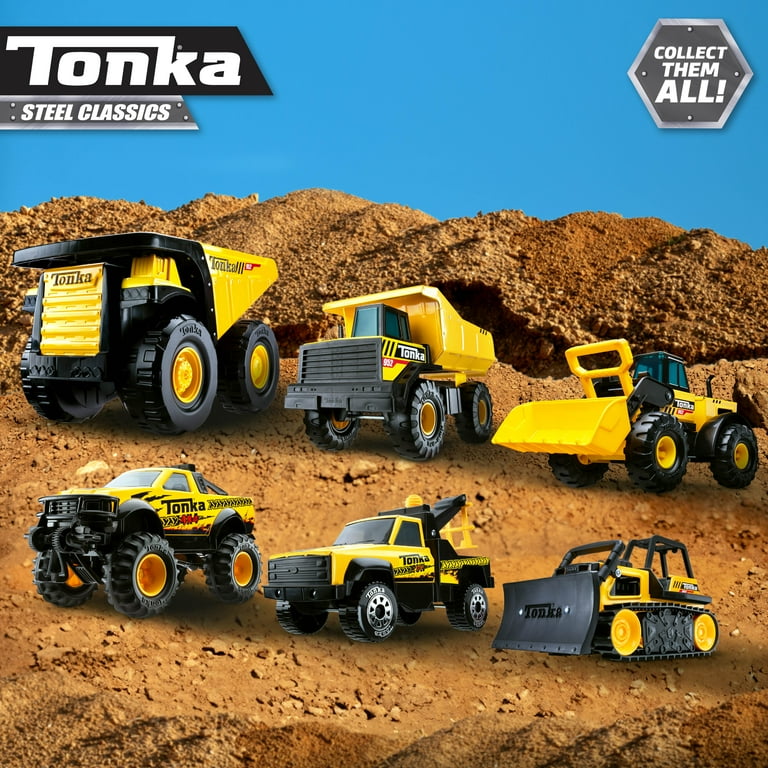
Collectible and vintage Tonka toys hold a special place for many fans. These toys remind us of childhood and simpler times. Their strong metal build and bright colors make them stand out. Collectors value these toys for their history and charm.
Many Tonka toys from the past are now rare finds. Owning one can feel like holding a piece of history. Understanding how to spot original pieces helps collectors avoid fakes. The value of these toys can vary greatly.
Identifying Originals
Original Tonka toys have distinct marks and features. Look for the Tonka logo stamped on metal parts. Early toys often have a heavier, solid feel. Paint colors on originals tend to be bright but may show some wear. Plastic parts should be sturdy, not brittle or cracked. Checking the toy’s weight helps; originals are usually heavier than copies.
Value And Rarity
Some vintage Tonka toys are worth more than others. Rare models or limited editions bring higher prices. Condition is key: mint toys with original boxes are most valuable. Rust or missing parts lower a toy’s worth. Collectors pay more for toys made in the early years. Tonka toys made before the 1980s often fetch higher prices. Understanding rarity helps collectors make smart buys.
Credit: www.walmart.com
Frequently Asked Questions
Where Are Tonka Toys Originally Made?
Tonka toys were originally made in the United States, specifically in Minnesota. The brand was founded in 1946 and became famous for its durable metal trucks. Production later expanded globally, but the classic Tonka legacy began in the U. S.
Are Tonka Toys Still Made In The Usa?
Most Tonka toys are now manufactured outside the USA, mainly in China. However, some special editions may still be produced domestically. The brand focuses on quality while leveraging global manufacturing to keep costs competitive.
What Materials Are Tonka Toys Made From?
Tonka toys are made from durable steel and high-quality plastic. Early models were primarily steel, making them sturdy and long-lasting. Modern versions use plastic to reduce weight while maintaining durability and safety standards.
How Has Tonka Toy Manufacturing Changed Over Time?
Tonka's manufacturing shifted from heavy steel to plastic components over time. This change improved safety and reduced production costs. Manufacturing locations also moved globally to meet demand and optimize logistics.
Conclusion
Tonka toys started in the United States and still hold that heritage. Today, many parts come from different countries worldwide. They combine quality materials and careful work. This mix helps Tonka stay strong and fun for kids. Knowing where Tonka toys are made helps you appreciate their value.
It shows how global teamwork creates favorite playthings. Tonka continues to inspire play with trusted design and care.