Are you wondering if you can dry clean your soft toys safely? Those cuddly companions often hold special memories, and keeping them clean is important.
But cleaning them the wrong way could damage their softness or colors. You’ll discover the best way to freshen up your favorite plush toys without risking harm. Keep reading to find simple tips that protect your soft toys and keep them looking like new.
Why Clean Soft Toys
Soft toys bring comfort and joy to many children and adults. They often stay close for years. Cleaning these toys is important. It keeps them safe and fresh. Regular cleaning helps protect health and keeps toys looking good.
Soft toys collect dust, dirt, and germs from daily use. Cleaning removes these harmful particles. It also prevents bad smells that can build up over time. Caring for soft toys extends their life and keeps them nice.
Health Benefits
Soft toys can hold dust mites and bacteria. These can cause allergies and breathing problems. Cleaning soft toys reduces germs and allergens. It helps keep children and adults healthy. Clean toys create a safer environment for play and sleep.
Maintaining Appearance
Soft toys can get dirty and look old. Stains and dust make them less attractive. Cleaning removes dirt and restores their color. Clean toys look fresh and inviting. This keeps the toy enjoyable to hold and display.
Removing Odors
Soft toys can absorb smells from pets, food, or smoke. These odors make toys unpleasant. Cleaning helps remove bad smells. Fresh toys feel more comfortable to hug. A clean scent improves the overall experience with the toy.

Materials And Labels
Soft toys come in many shapes and fabrics. Knowing what materials make up your toy helps decide the best cleaning method. Labels on the toys give important clues about care and cleaning. Always check these before trying to dry clean any soft toy.
Some fabrics handle dry cleaning well. Others can get damaged or lose color. Labels also warn about parts that need special care. Understanding materials and labels protects your toy from harm.
Common Fabrics Used
Soft toys often use cotton, polyester, or plush fabrics. Cotton feels soft but can shrink with heat. Polyester is strong and resists wrinkles. Plush fabric gives a fuzzy, soft touch but can mat if cleaned harshly.
Some toys use velvet or felt. These need gentle handling and might not suit dry cleaning. Synthetic fibers like nylon appear in some toys and usually dry clean well.
Reading Care Instructions
Labels contain symbols and words about cleaning. Look for dry clean symbols or warnings against it. Some say “surface clean only.” These toys should not go to dry cleaning or washing machines.
Check if the label mentions water temperature or cleaning agents. Follow these instructions strictly. Ignoring care labels can ruin the toy’s fabric or stuffing.
Spotting Sensitive Components
Soft toys may have glued parts like eyes or noses. These parts can fall off during dry cleaning. Some have plastic or electronic components inside. These parts must never get wet or dry cleaned.
Ribbons, buttons, or sequins are delicate too. They might lose color or shape. Always check for these before deciding on dry cleaning your toy.
Dry Cleaning Basics
Dry cleaning is a cleaning process that uses special liquids instead of water. It helps clean delicate items without causing damage. This method is popular for clothes but can it work for soft toys? Understanding dry cleaning basics can help you decide the best care for your plush friends.
What Is Dry Cleaning
Dry cleaning uses chemical solvents to remove dirt and stains. It does not use water like regular washing. This method is gentle on fabrics that water can harm. Clothes keep their shape and colors after dry cleaning. The process involves machines that look like washing machines but use liquids like perchloroethylene or silicone-based solvents.
Suitability For Soft Toys
Soft toys have different materials like fabric, stuffing, and decorations. Some may not handle water well. Dry cleaning can clean toys without soaking them. But not all soft toys are safe for dry cleaning. Toys with plastic parts or glued decorations might get damaged. Always check the toy’s label or test a small area first.
Common Dry Cleaning Methods
There are a few main dry cleaning methods. Professional dry cleaning uses machines and strong solvents. Home dry cleaning kits use small bags and mild cleaners in the dryer. Some use foam or liquid sprays to clean gently. Each method aims to remove dirt without wetting the item fully. Choose the method based on the toy’s material and condition.
Safe Dry Cleaning Tips
Cleaning soft toys with dry cleaning requires care to keep them safe. Soft toys often have delicate fabrics and parts. Using the right method protects their look and feel. Follow these safe dry cleaning tips for the best results.
Choosing The Right Service
Select a dry cleaner experienced with soft toys. Ask if they use gentle solvents and processes. Check reviews for their care quality. Avoid services that use harsh chemicals or strong machines. A trusted cleaner helps keep your toys soft and intact.
Preparing Toys For Cleaning
Before cleaning, check the toy for loose parts or damage. Remove any removable clothes or accessories. Brush off dust and surface dirt gently. Place the toy in a mesh bag or pillowcase. This protects it during the dry cleaning process.
Handling Delicate Parts
Delicate parts need extra attention. Avoid wetting or rubbing fragile eyes, noses, or decorations. Inform the cleaner about these sensitive areas. Soft stitching or glued parts can get damaged easily. Handle the toy gently after cleaning to keep it safe.
Alternatives To Dry Cleaning
Dry cleaning might seem like the best choice for soft toys. Many toys can get damaged or lose color from harsh chemicals. There are gentler ways to clean them at home. These methods keep your soft toys safe and fresh.
Hand Washing Techniques
Fill a basin with warm water and mild soap. Soak the soft toy for a few minutes. Gently rub dirty spots using your fingers or a soft cloth. Avoid scrubbing hard to protect the fabric. Rinse well with clean water to remove all soap. Press the toy gently to remove water. Do not twist or wring it out.
Machine Washing Guidelines
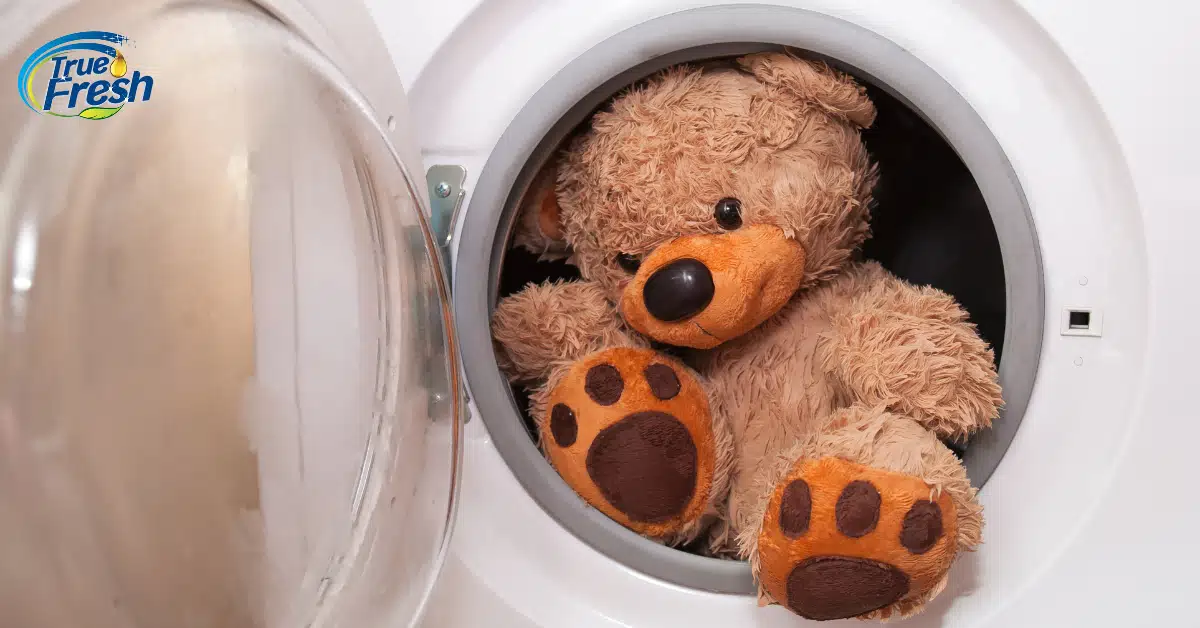
Use a gentle cycle and cold water. Place the soft toy inside a pillowcase or laundry bag. This protects the toy during the wash. Avoid using bleach or strong detergents. Choose a mild detergent made for delicate fabrics. After washing, let the toy air dry completely. Do not use the dryer as heat can damage it.
Using Safe Cleaning Products
Choose gentle detergents with no harsh chemicals. Baby shampoo works well for soft toys. Avoid bleach, fabric softeners, and strong scents. Natural cleaning products are usually safer for children’s toys. Always test a small hidden area first. This prevents damage or color fading.
Drying And Aftercare
After cleaning soft toys, drying and aftercare are very important. Proper drying stops mold and bad smells. It also keeps the toy safe and looking good. Soft toys need gentle care during drying to stay soft and fresh.
Proper Drying Methods
Air drying is the safest way to dry soft toys. Lay the toy flat on a clean towel in a dry place. Avoid direct sunlight to stop colors from fading. Turn the toy over now and then for even drying. Do not use a dryer. High heat can damage the fabric and stuffing.
Restoring Softness
Once dry, the toy may feel stiff. Gently brush the surface with a soft brush. This helps fluff the fabric and remove dirt. Lightly pat the toy to reshape it. For extra softness, use a small amount of fabric softener on a cloth. Wipe the toy carefully without soaking it.
Storage Tips To Prevent Damage
Store soft toys in a cool, dry place. Avoid damp areas to stop mold growth. Keep toys away from dust by using a closed box or bag. Do not crush toys under heavy items. Regularly check toys for dust and clean if needed. Proper storage keeps toys fresh and safe for a long time.
When To Avoid Dry Cleaning
Dry cleaning might seem like a good way to clean soft toys. Yet, there are times when it can do more harm than good. Knowing when to avoid dry cleaning helps keep your soft toys safe and looking nice. Here are some key signs to watch for before choosing dry cleaning.
Signs Of Wear And Tear
Soft toys with visible damage need extra care. Tears, loose threads, or missing parts can get worse. Dry cleaning chemicals might weaken the fabric. Avoid dry cleaning if the toy is fragile or falling apart. Gentle hand washing is often safer.
Toys With Electronic Components
Many soft toys have batteries or sounds inside. Dry cleaning can ruin these parts. Water and chemicals may damage electronics beyond repair. Never dry clean soft toys with lights, sounds, or moving parts. Spot cleaning is a better choice.
Manufacturer Restrictions
Always check the toy’s label before dry cleaning. Some manufacturers warn against it. Ignoring these instructions can void warranties or cause damage. Follow the care label to keep the toy in good condition. When in doubt, choose a safer cleaning method.

Frequently Asked Questions
Can You Dry Clean All Types Of Soft Toys?
No, not all soft toys are suitable for dry cleaning. Delicate fabrics or glued parts may get damaged. Always check the care label or consult a professional cleaner first.
Is Dry Cleaning Safe For Stuffed Animals?
Dry cleaning is generally safe for many stuffed animals. It removes dirt and odors without water. However, fragile or vintage toys may require special care to avoid damage.
How Often Should Soft Toys Be Dry Cleaned?
Soft toys should be dry cleaned only when visibly dirty or smelly. Frequent dry cleaning can harm fabric and stuffing. Spot cleaning and regular airing are better for routine maintenance.
Can Dry Cleaning Remove Tough Stains On Soft Toys?
Dry cleaning can effectively remove many tough stains on soft toys. Solvents used dissolve dirt and oils without water. However, some stains may need additional spot treatment before dry cleaning.
Conclusion
Soft toys need gentle care to stay clean and safe. Dry cleaning can harm some soft toys or their fillings. Always check the toy’s label for washing instructions. Hand washing with mild soap often works well. Let toys air dry fully to avoid damage.
Clean toys help keep kids healthy and happy. Small steps make a big difference in toy care. Treat each toy with care and attention. Soft toys last longer when cleaned the right way.