Are you looking for a fun and simple way to boost your child’s learning at home? A DIY Montessori Cube Toy could be exactly what you need.
This hands-on project not only sparks creativity but also helps your little one develop important skills like problem-solving and fine motor control. Imagine giving your child a toy that grows with them and keeps their curiosity alive. Keep reading, and you’ll discover easy steps to create this educational gem yourself – no special tools or experience needed!
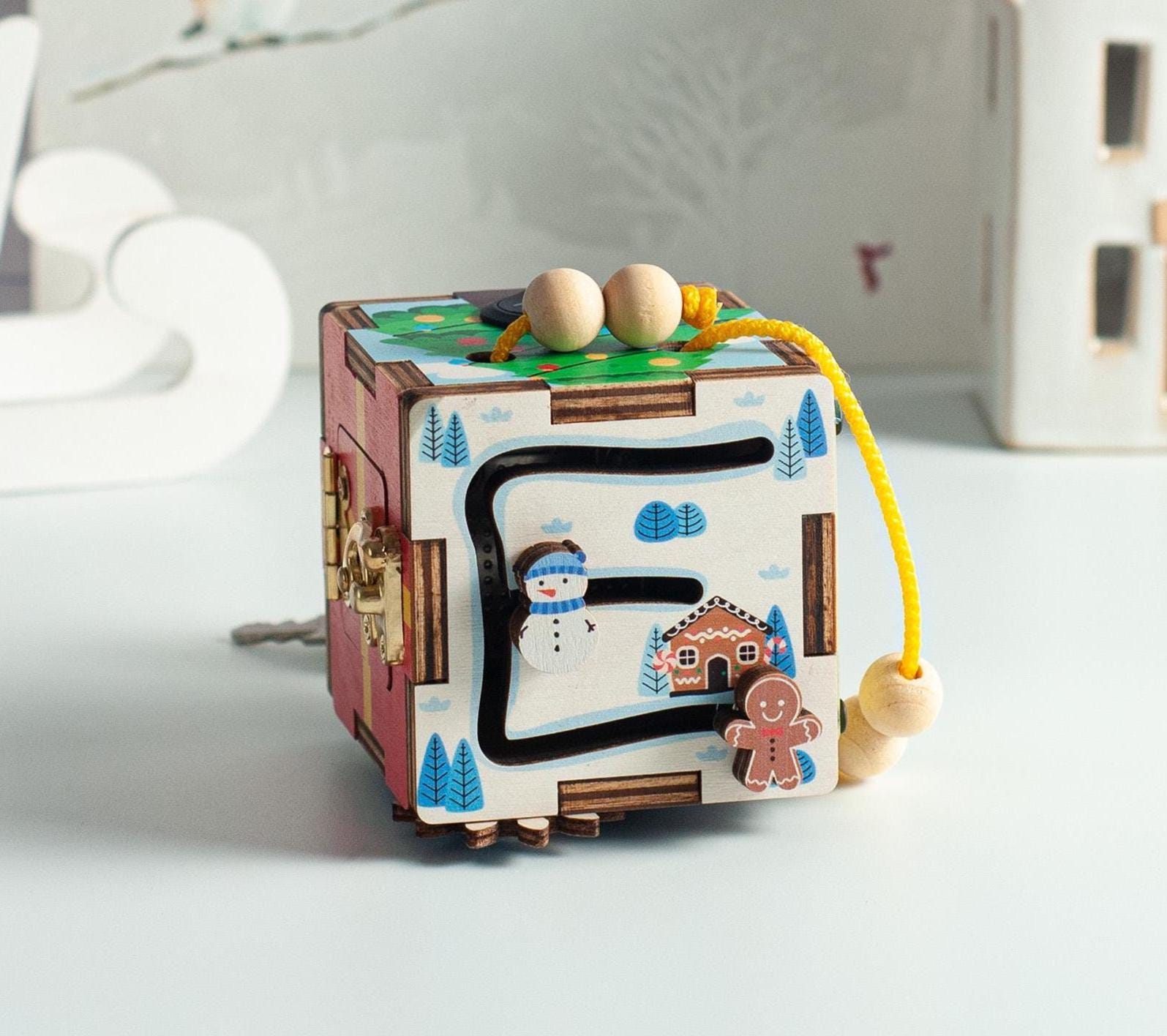
Benefits Of Montessori Cube Toys
Montessori cube toys offer many benefits for young children. These toys support learning through hands-on play.
They help develop important skills and encourage creativity and independence in kids.
Enhancing Fine Motor Skills
Montessori cube toys require children to use their fingers and hands carefully. This practice improves their fine motor skills.
Manipulating small parts helps kids gain better control and coordination of their hands and fingers.
- Grasping and holding pieces strengthens hand muscles
- Turning knobs or sliding parts improves finger dexterity
- Precise movements build hand-eye coordination
Stimulating Cognitive Development
Montessori cubes challenge children to think and solve problems. They explore shapes, colors, and patterns.
This type of play boosts memory and attention span. Kids learn cause and effect by experimenting with the cubes.
- Recognizing shapes and colors enhances visual skills
- Sorting and matching tasks improve logical thinking
- Trial and error encourages problem-solving
Encouraging Independent Play
Montessori cube toys allow children to play on their own. They choose how to explore and interact with the toy.
This independence helps build confidence and self-motivation. Kids learn to focus and enjoy quiet playtime.
- Self-directed play fosters creativity
- Children develop patience and concentration
- Kids gain a sense of accomplishment

Materials Needed For Diy Cubes
Making a Montessori cube toy is a fun project for kids and parents. You need simple materials that are safe and easy to use.
Choosing the right supplies helps create a durable and child-friendly toy. Here are the main materials you will need.
Safe And Child-friendly Supplies
Safety is the top priority for any toy. Use materials that will not harm children or cause allergies.
Choose natural wood or non-toxic plastic for the cubes. Avoid small parts that can be swallowed.
- Natural hardwood (like maple or beech)
- Non-toxic water-based paint or finish
- Sandpaper with fine grit for smooth edges
- Non-toxic glue safe for children
- Soft fabric pieces or felt for texture
Tools For Assembly
You will need some basic tools to build the cubes. These tools help cut, shape, and join the parts safely.
Make sure to use tools properly to avoid accidents. Adult supervision is important when working with sharp tools.
- Small saw or craft knife
- Sandpaper or sanding block
- Child-safe scissors
- Paintbrushes for finishing
- Clamps or rubber bands to hold pieces together
- Measuring tape or ruler
Decorative Elements
Decorate the cubes to make them interesting and educational. Use simple decorations that are safe for children.
Choose bright colors and fun textures. Avoid small decorations that can come off easily.
- Non-toxic paint in bright colors
- Natural wood stains without harmful chemicals
- Soft felt or fabric patches
- Stickers made for children
- Safe markers or crayons for drawing
Basic Cube Construction Steps
Making a Montessori cube toy is a fun and simple project. You will build a sturdy wooden cube for children to explore.
This guide covers the main steps for creating your cube. Follow each step carefully to get a smooth finish.
Measuring And Cutting
Start by measuring the wooden pieces for the cube. Each side of the cube should be the same size.
Use a ruler and pencil to mark the wood before cutting. Cut the pieces slowly and carefully.
- Measure six square pieces of wood
- Mark each piece with a pencil
- Use a saw to cut along the lines
- Wear safety glasses while cutting
Assembling The Frame
Once the pieces are cut, start assembling the cube frame. Use wood glue to join the edges together.
Clamp the pieces to hold them tight while the glue dries. Check that all angles are square.
- Apply wood glue to edges
- Press pieces firmly together
- Use clamps to hold pieces in place
- Let glue dry for several hours
Sanding And Finishing
After the glue is dry, sand the cube to smooth rough edges. Use fine-grit sandpaper for best results.
Finish by applying a safe, non-toxic sealant. This protects the wood and keeps the toy safe for children.
- Sand all surfaces evenly
- Remove dust with a cloth
- Apply child-safe wood finish
- Let finish dry fully before use
Creative Design Ideas
Creating a DIY Montessori cube toy lets children explore and learn through play. It encourages hands-on interaction with simple, thoughtful designs.
Using different materials and colors can make the toy more engaging. Each side of the cube can have unique features to stimulate curiosity.
Sensory Texture Panels
Texture panels help develop a child’s sense of touch. Different surfaces like soft fabric, rough sandpaper, or smooth wood add variety.
- Use felt, cotton, or velvet for soft textures
- Add rough materials like cork or sandpaper
- Include smooth surfaces such as polished wood or plastic
- Attach small objects like buttons or beads for tactile exploration
Color And Shape Matching
This section focuses on helping children recognize colors and shapes. Matching games improve memory and visual skills.
| Color | Shape | Material |
| Red | Circle | Wood |
| Blue | Square | Foam |
| Green | Triangle | Plastic |
Interactive Elements
Interactive parts make the cube toy fun and engaging. Moving pieces and sound elements keep children interested.
Include buttons, sliders, or spinning gears. Each can teach cause and effect.
Educational Activities With Cubes
Diy Montessori cube toys are excellent for learning. They help children explore and understand the world. These activities encourage development in various skills.
Using cubes, children can engage in fun and educational tasks. These tasks build their cognitive and motor skills.
Sorting And Stacking Games
Sorting cubes by color or size helps children learn organization. Stacking cubes builds hand-eye coordination and patience.
Children can enjoy making towers or matching colors. These activities develop problem-solving skills and creativity.
- Sort by color or shape
- Stack cubes to make a tower
- Group cubes by size
Counting And Number Recognition
Cubes can teach counting and numbers. Children count cubes as they play, learning numbers naturally.
Using cubes with numbers on them helps recognition. Children match cubes to numbers, reinforcing their counting skills.
- Count cubes aloud
- Match cubes with numbers
- Practice counting in sequences
Language Development Tasks
Playing with cubes can improve language skills. Children describe colors, shapes, and actions during play.
Engaging in conversations about their creations enhances vocabulary. It also helps with sentence formation.
- Describe the color and shape of cubes
- Talk about building structures
- Use cubes to create stories
Safety Tips For Diy Toys
Making a DIY Montessori cube toy is fun and rewarding. Safety is very important when creating toys for children.
Use safe materials and take care to avoid sharp edges. Always watch children while they play with your DIY toy.
Choosing Non-toxic Materials
Pick materials that do not have harmful chemicals. Non-toxic paints and finishes keep children safe if they put toys in their mouths.
Wood, natural oils, and water-based paints are good choices. Avoid plastics that might release toxins over time.
- Use untreated or naturally finished wood
- Choose water-based, non-toxic paints
- Skip materials with strong chemical smells
- Check labels for safety certifications
Ensuring Smooth Edges
Rough or sharp edges can hurt children. Sand all edges and corners until they are smooth to touch.
Check the toy carefully for splinters or rough spots. Use fine-grit sandpaper to finish all surfaces well.
- Sand corners and edges thoroughly
- Remove any small loose parts
- Use child-safe varnish if needed
- Test the toy by running your hand over it
Supervision Guidelines
Always watch children while they play with your DIY toy. Supervision helps prevent accidents and choking hazards.
Keep small parts away from very young children. Teach kids how to play safely with their Montessori cube toy.
- Stay close during playtime
- Check toys regularly for damage
- Remove broken parts immediately
- Choose age-appropriate toys for each child
Customizing Cubes For Different Ages
Montessori cube toys can be tailored to fit the needs of children at various stages. Adjusting the complexity and features helps kids learn and explore better.
Using age-appropriate cubes keeps children interested and supports their skill development effectively.
Toys For Toddlers
Toddlers need cubes that focus on basic motor skills. Soft edges and large shapes help them grasp and explore safely.
Simple textures and bright colors attract their attention and encourage touch and play.
- Use large wooden cubes with smooth surfaces
- Add different textures like fabric or rubber
- Include basic shapes and bright colors
- Ensure all parts are safe and non-toxic
Activities For Preschoolers
Preschoolers enjoy cubes that challenge their thinking and fine motor skills. You can add puzzles or matching games on the cube faces.
Adding letters, numbers, or simple patterns helps with early learning and recognition.
- Include simple puzzles on cube sides
- Add letters and numbers for recognition
- Use different colors to teach sorting
- Incorporate small removable pieces carefully
Challenges For Older Kids
Older kids benefit from more complex cubes that test problem-solving and creativity. You can add mazes, logic puzzles, or building challenges.
These cubes can help develop critical thinking and patience while keeping playtime fun.
- Design cubes with maze or puzzle faces
- Include logic challenges and pattern matching
- Allow parts to be rearranged for building
- Use materials that encourage fine motor control
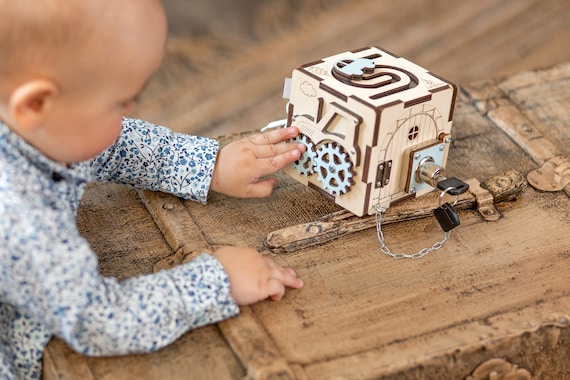
Maintaining And Storing Montessori Cubes
Montessori cubes are educational and fun for kids. Proper care ensures they last long.
Learn how to clean, store, and repair these cubes effectively. Keep them in great condition for years.
Cleaning Techniques
Cleaning Montessori cubes keeps them safe for children. Use gentle methods to preserve their quality.
- Use a soft cloth with mild soap and water
- Avoid harsh chemicals to protect the wood finish
- Dry thoroughly to prevent moisture damage
Organized Storage Ideas
Storing cubes properly prevents loss and damage. Organized storage makes them easy to find.
Consider using labeled bins or baskets for different sets of cubes. This helps in keeping them sorted.
Repairing Wear And Tear
Over time, cubes may show signs of wear. Simple repairs can extend their life.
| Issue | Solution |
| Loose pieces | Use wood glue to reattach |
| Scratches | Sand lightly and apply wood polish |
| Faded colors | Repaint with non-toxic paint |
Frequently Asked Questions
What Is A Diy Montessori Cube Toy?
A DIY Montessori Cube Toy is a handmade educational toy. It promotes sensory learning and fine motor skills for young children. The cube includes various textures, shapes, and activities to engage a child’s curiosity and development effectively.
How Do You Make A Montessori Cube Toy?
To make a Montessori Cube Toy, gather safe materials like wood, fabric, and sensory items. Assemble a cube with different sides featuring tactile elements, buttons, or puzzles. Follow simple step-by-step instructions to ensure it’s child-friendly and stimulating.
What Skills Does A Montessori Cube Toy Develop?
This toy enhances fine motor skills, hand-eye coordination, and sensory exploration. It also encourages problem-solving and cognitive development in toddlers. The diverse textures and activities help children learn through play in a hands-on way.
Is A Montessori Cube Toy Safe For Infants?
Yes, a well-made Montessori Cube Toy is safe for infants. Use non-toxic materials and avoid small detachable parts to prevent choking hazards. Always supervise children during play to ensure safety and maximize learning benefits.
Conclusion
Creating a DIY Montessori cube toy is fun and rewarding. It helps children learn through play and hands-on activities. This simple project encourages creativity and problem-solving skills. You can customize the cube to fit your child’s needs. Building the toy together creates special bonding moments.
Enjoy watching your child explore and discover new things. This toy supports growth in a natural and enjoyable way. Give it a try and see the benefits yourself. Simple, educational, and made with love.