Are you looking for the perfect toys that help your baby learn and grow from the very start? Montessori baby toys for 0-3 years are designed to do just that.
These toys aren’t just fun—they support your child’s natural curiosity and development. Imagine giving your little one tools that encourage creativity, focus, and independence. If you want to discover how the right toys can make a real difference in your baby's early years, keep reading.
Your child’s bright future begins with the choices you make today.
Benefits Of Montessori Toys
Montessori toys support early development in babies aged 0 to 3 years. They help children learn through hands-on play.
These toys focus on natural materials and simple designs. They encourage babies to explore and discover at their own pace.
Boosting Motor Skills
Montessori toys help babies develop both fine and gross motor skills. Toys like stacking rings and grasping blocks improve hand-eye coordination.
- Grasping small objects strengthens finger muscles.
- Stacking and sorting improve hand control.
- Pulling and pushing toys encourage walking and balance.
Encouraging Sensory Exploration
These toys use different textures, colors, and sounds. They stimulate a baby’s senses and help them learn about the world.
| Sense | Example Toy | Benefit |
| Touch | Wooden beads | Improves tactile awareness |
| Sight | Colorful blocks | Enhances visual tracking |
| Hearing | Rattles | Develops sound recognition |
Fostering Independence
Montessori toys encourage children to try tasks by themselves. They learn to solve problems and make choices.
Key ways Montessori toys support independence:
- Simple designs invite self-directed play
- Safe materials allow safe exploration
- Open-ended toys help practice decision-making

Key Features To Look For
Choosing the right Montessori baby toys for ages 0 to 3 years helps support early development. Look for toys that promote learning through play.
Good toys encourage curiosity and allow babies to explore safely. They should match the child's growth and abilities.
Safe And Natural Materials
Toys made from safe, natural materials protect babies from harmful chemicals. These materials also feel good to touch and are gentle on skin.
Look for wood, organic cotton, and non-toxic paints. Avoid plastics with BPA or phthalates to keep babies safe.
- Wood: sturdy and eco-friendly
- Organic cotton: soft and safe
- Non-toxic paints: safe for mouthing
- Free from harmful chemicals
Simple And Open-ended Design
Simple toys allow babies to use their imagination. Open-ended designs can be used in many ways.
These toys do not have too many parts or fixed rules. They encourage creativity and problem-solving skills.
- Minimal colors and shapes
- Encourages exploration
- Supports creativity
- Easy to handle
Age-appropriate Challenges
Toys should match the baby’s skill level. They must offer just the right challenge to keep babies interested.
For infants, toys may focus on sensory exploration. For toddlers, toys can include sorting or stacking tasks.
- 0-6 months: focus on textures and sounds
- 6-12 months: grasping and moving parts
- 12-24 months: simple problem solving
- 24-36 months: sorting and building
Top Picks For Newborns
Montessori toys help newborns explore their world. They encourage learning through play.
These toys are simple and safe for babies. They focus on development and curiosity.
Soft Textured Toys
Soft textured toys are perfect for tiny hands. They provide comfort and tactile exploration.
Babies love to touch and squeeze these toys. They are gentle and easy to handle.
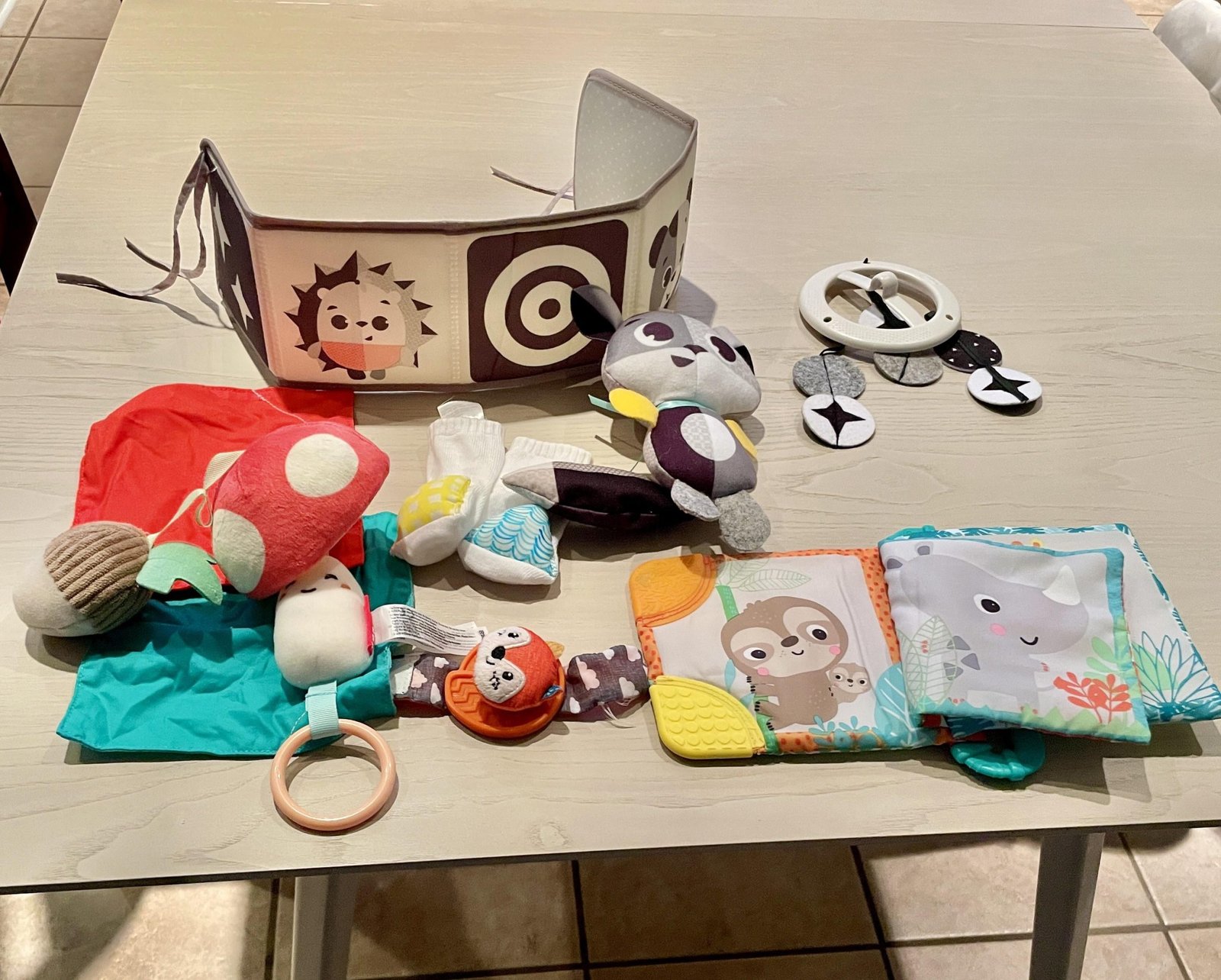
- Plush animals with soft fur
- Cloth blocks with different textures
- Soft cloth books
High-contrast Visuals
High-contrast toys capture a baby's attention. They help improve visual tracking skills.
Newborns see bold black and white patterns best. These visuals stimulate their developing eyes.
- Black and white cards
- Simple patterned mobiles
- Contrast picture books
Gentle Rattles And Mobiles
Gentle rattles and mobiles provide soothing sounds. They encourage hearing and motor skills.
These toys are perfect for hanging above a crib. Babies love to watch and listen to them.
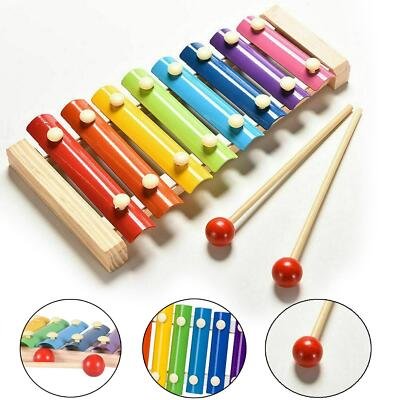
- Wooden rattles with soft sounds
- Musical mobiles with gentle tunes
- Handmade felt mobiles

Best Toys For 6-12 Months
Toys for babies aged 6 to 12 months help develop their senses and motor skills. They learn to explore shapes, colors, and movements during this stage.
Choosing the right toys encourages curiosity and early learning. It supports their growing coordination and problem-solving abilities.
Stacking And Nesting Sets
Stacking and nesting toys teach babies about size and order. They also improve hand-eye coordination and fine motor skills.
- Soft blocks that fit inside each other
- Colorful rings to stack on a pole
- Wooden cups that nest in different ways
- Shapes with different textures for sensory play
Pull And Push Toys
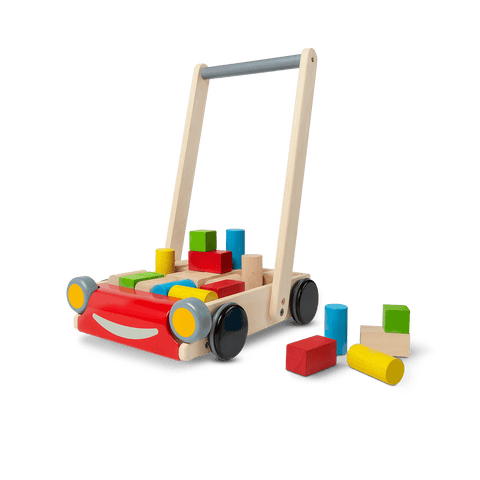
Pull and push toys encourage babies to crawl and walk. These toys develop balance and muscle strength.
| Toy Type | Benefits |
| Wooden pull animals | Encourage crawling and walking |
| Push cars or wagons | Build leg muscles and balance |
| Rolling balls with handles | Improve hand grip and coordination |
Activity Boards
Activity boards offer many ways to explore textures and movements. They keep babies busy and curious.
- Buttons that click or spin
- Mirrors for self-recognition
- Sliding beads or gears
- Different textures to touch
Ideal Toys For 1-3 Years
Toys for babies aged 1 to 3 years help develop their skills. They focus on hand-eye coordination, problem-solving, and creativity.
Choosing the right toys encourages learning through play. Simple and safe toys suit this age group best.
Shape Sorters
Shape sorters teach babies to match shapes and colors. They improve fine motor skills and hand-eye coordination.
These toys come in many forms, such as boxes with holes or boards with slots. Babies learn to fit the right shape in the right place.
- Encourages problem-solving skills
- Builds spatial awareness
- Supports color and shape recognition
Building Blocks
Building blocks help toddlers develop creativity and balance. They learn to stack and connect blocks in different ways.
Blocks made from wood or soft materials are safe and easy to hold. Playing with blocks also improves hand strength and coordination.
- Improves fine motor skills
- Encourages imaginative play
- Introduces basic math concepts like size and shape
Pretend Play Items
Pretend play items let children use their imagination. Toys like toy phones, kitchen sets, and dolls create pretend situations.
These toys help toddlers practice social skills and language. They learn to express themselves and understand others.
- Develops communication skills
- Boosts creativity and imagination
- Encourages role-playing and empathy

Tips For Choosing Montessori Toys
Montessori toys are designed to help babies learn and grow. Choosing the right ones for ages 0-3 years is important.
These toys should encourage exploration and creativity. Here are some tips to guide you in selecting the best Montessori toys for your child.
Focus On Child’s Interests
Observe what your child likes to do. Choose toys that match their interests. This keeps them engaged and eager to play.
If your child enjoys building, select blocks or stacking toys. For a child who loves music, musical instruments are great.
Limit Quantity To Avoid Overwhelm
Having too many toys can confuse a child. Keep the toy selection small. This makes it easier for them to focus and enjoy each toy.
Quality matters more than quantity. Choose a few well-made toys instead of many low-quality ones.
Rotate Toys Regularly
Rotating toys keeps them fresh and exciting. Swap out toys every few weeks. This gives your child new experiences with familiar objects.
Store some toys away and bring them back later. This helps maintain interest and prevents boredom.
Maintaining And Cleaning Toys
Montessori baby toys need regular care to stay safe and fun. Clean toys help keep babies healthy.
Proper maintenance also makes toys last longer. Parents and caregivers should learn good cleaning habits.
Safe Cleaning Methods
Use gentle cleaning methods to protect baby toys. Avoid harsh chemicals that can harm babies.
Warm water and mild soap work well for most toys. Wipe wooden toys with a damp cloth, not soaked.
- Wash plastic toys with warm, soapy water
- Use a soft cloth for wooden toys
- Air dry toys completely before use
- Avoid bleach or strong cleaners
- Check labels for cleaning instructions
Regular Inspection For Damage
Check toys often for cracks or broken parts. Damaged toys can hurt babies or cause choking.
Look at small pieces that may come loose. Throw away toys that are unsafe or worn out.
- Inspect toys weekly for damage
- Remove toys with sharp edges or splinters
- Replace missing or loose parts
- Keep small parts away from babies under 3 years
Storage Solutions
Store toys in clean, dry places to keep them safe. Proper storage stops dust and dirt buildup.
Use bins or shelves to organize toys. Keep frequently used toys easy to reach for babies.
- Use labeled bins or baskets
- Keep toys off the floor
- Store in a dry, cool area
- Separate toys by type or size
- Clean storage areas regularly
Frequently Asked Questions
What Are Montessori Baby Toys For 0-3 Years?
Montessori baby toys for 0-3 years focus on sensory exploration and motor skill development. They encourage independent play. These toys are simple, natural, and safe. They help babies learn through hands-on experiences, fostering creativity and concentration from an early age.
How Do Montessori Toys Benefit Babies' Development?
Montessori toys improve fine motor skills, hand-eye coordination, and cognitive abilities. They promote problem-solving and curiosity. Babies learn at their own pace through exploration. The toys support sensory development and encourage independent thinking. Overall, they help build a strong foundation for lifelong learning.
Which Materials Are Best For Montessori Baby Toys?
Natural materials like wood, cotton, and wool are best. They are safe, durable, and eco-friendly. These materials provide varied textures for sensory growth. Avoid plastic and synthetic materials to keep toys non-toxic and long-lasting. Natural materials also align with Montessori principles of simplicity.
When Should I Introduce Montessori Toys To My Baby?
You can start introducing Montessori toys from birth. Age-appropriate toys help stimulate senses and motor skills. For newborns, focus on soft, textured toys for tactile exploration. As babies grow, introduce more complex toys to encourage problem-solving and fine motor skills.
Always supervise playtime for safety.
Conclusion
Montessori baby toys help young children learn and grow. They encourage hands-on play and creativity. Toys made for 0-3 years support motor skills and focus. Choosing simple, natural materials is best for little ones. These toys also promote independence and confidence.
Parents enjoy watching their babies explore and discover. Playtime becomes a chance to learn new things every day. Keep the environment calm and inviting for your child. Montessori toys make early learning fun and meaningful.