If you have a kitten at home, you might have noticed them chewing on everything in sight. You may wonder, do cats actually need teething toys like babies do?
Understanding your cat’s needs during this teething phase can save your furniture and keep your furry friend happy. You’ll discover why teething toys can be a game-changer for your cat’s comfort and health—and how to choose the best ones. Keep reading to find out how to make this stage easier for both you and your pet.
Why Kittens Chew
Kittens chew for many reasons. It is part of their natural growth and development. Chewing helps soothe their gums and keeps their teeth clean. It also helps them explore the world around them. Understanding why kittens chew helps pet owners care for them better.
Teething Process In Cats
Kittens start teething at about three weeks old. Baby teeth fall out and adult teeth grow in. This process can cause pain and discomfort. Chewing helps reduce this pain by massaging the gums. It also helps kittens adjust to their new teeth. Teething usually finishes by six months of age.
Common Chewing Behaviors
Kittens chew on toys, fingers, and household items. They do this to relieve teething pain and boredom. Chewing also helps them practice hunting skills. Sometimes, they chew to get attention or feel safe. Providing safe chewing options helps prevent damage to belongings.

Benefits Of Teething Toys
Teething toys offer many benefits for growing kittens. They help ease discomfort and keep kittens busy. These toys support healthy habits and protect your home. Understanding their benefits can help you care better for your cat.
Soothing Sore Gums
Kittens feel pain as their teeth grow. Teething toys provide gentle pressure on their gums. This pressure helps reduce swelling and pain. Chewing on toys brings relief and comfort. It keeps your kitten calm and happy during teething.
Preventing Destructive Chewing
Teething makes kittens want to chew constantly. Without toys, they might chew on furniture or cords. Teething toys redirect this urge to safe items. They protect your belongings from damage. Your kitten learns what is okay to chew on.
Promoting Healthy Teeth
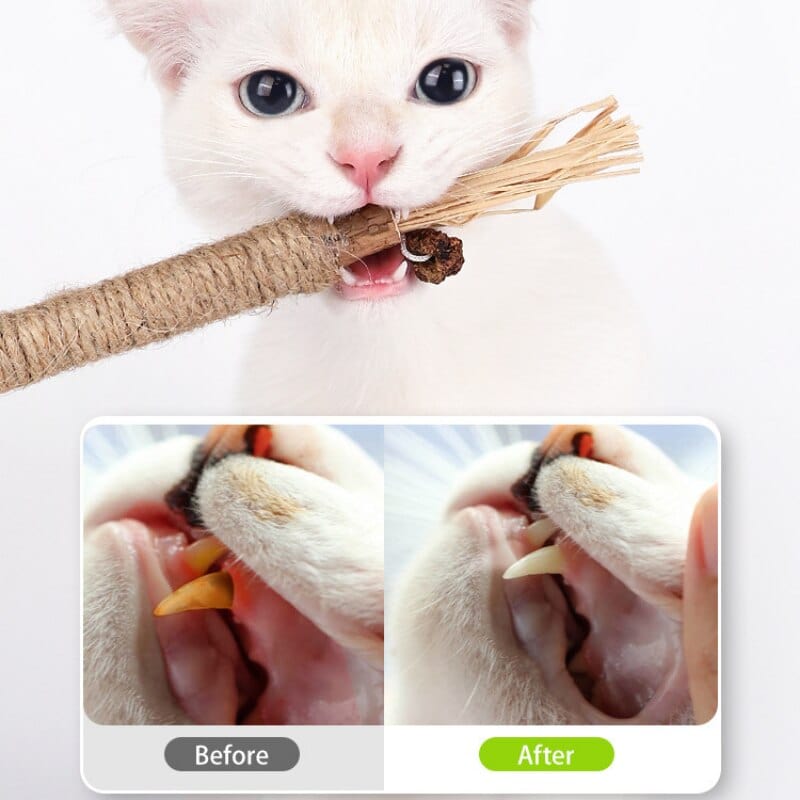
Chewing helps clean teeth and gums naturally. Teething toys reduce plaque buildup and keep breath fresh. Regular chewing strengthens jaw muscles too. This builds a strong foundation for adult teeth. Healthy teeth lead to fewer dental problems later.
Choosing Safe Teething Toys
Choosing safe teething toys is very important for your cat’s health. The right toy helps soothe sore gums without causing harm. Some toys can be dangerous or cause choking. Careful selection keeps your cat happy and safe.
Consider the toy’s material, size, shape, and possible hazards. These factors make a big difference. A safe toy encourages chewing but avoids injury or swallowing small parts.
Material Considerations
Choose toys made from non-toxic materials. Natural rubber and soft silicone are good options. Avoid toys with harmful chemicals or sharp edges. Soft materials protect your cat’s teeth and gums. Hard plastics can cause damage if chewed too hard.
Size And Shape
Select toys that fit your cat’s mouth comfortably. Toys too small can be swallowed or choked on. Large toys might be hard to chew or carry. Look for shapes that your cat can easily bite and hold. Round or smooth shapes reduce the risk of injury.
Avoiding Hazards
Check for loose parts that can be swallowed. Strings, beads, or small attachments are dangerous. Avoid toys that break easily or have sharp edges. Regularly inspect toys for wear and tear. Replace damaged toys to keep your cat safe.
Diy Teething Toy Ideas
DIY teething toys for cats offer a safe and fun way to soothe their gums. These toys help cats chew without damaging your furniture. Making your own toys saves money and lets you control the materials used. Simple, everyday items can become perfect teething toys with a little creativity.
Household Items As Toys
Many household items can serve as quick teething toys. Clean, dry washcloths work well. Twist or knot them for better grip. Cardboard tubes from paper towels can be fun to bite and chase. Make sure they have no sharp edges. Soft rubber bands, placed on a stick, can also entertain. Always supervise your cat to avoid swallowing small pieces.
Simple Homemade Options
Create small fabric pouches filled with catnip or dried herbs. Use old socks tied at the end as a toy. Fill them with soft stuffing or cotton balls. You can sew small felt shapes and attach a string. These are lightweight and easy to chew. Experiment with different textures to find what your cat likes best.
Introducing Toys To Kittens
Kittens love to play. Play helps them learn about their world. It also keeps their teeth and gums healthy. Introducing toys early supports healthy chewing habits. Toys can ease discomfort from teething. They also stop kittens from chewing on furniture or cords.
Choosing the right toys is important. Soft, safe, and chew-friendly toys work best. They should be easy for kittens to bite and carry. The right toys help kittens feel happy and safe.
Encouraging Play
Offer toys during quiet, calm moments. Use gentle movements to attract your kitten’s attention. Wiggle or roll the toy slowly across the floor. Let the kitten approach and explore at their own pace. Praise your kitten when they interact with the toy. This builds positive feelings around playtime.
Monitoring Use
Watch your kitten while they play with toys. Check for small parts that could break off. Remove any damaged toys right away. Look for signs of discomfort or frustration. Replace toys that no longer interest your kitten. Safe and supervised play protects their health and happiness.
:quality(75))
Signs Your Kitten Needs Extra Care
Kittens go through teething, which can be hard for them. They need care and attention during this time. Watching your kitten closely helps you see if they need help.
Some signs show that your kitten might feel pain or discomfort. Knowing these signs helps you give the right care. This care can make teething easier for your kitten.
Excessive Chewing
Kittens chew more when their teeth hurt. They may bite furniture, toys, or even your fingers. This chewing helps ease their sore gums. But too much chewing can damage things or hurt your kitten.
Providing safe teething toys can help. These toys stop your kitten from chewing on unsafe items. Watching what your kitten chews is very important.
Oral Discomfort Symptoms
Your kitten may show signs of mouth pain. They might drool more than usual or paw at their mouth. Eating less or refusing food can also happen. Sometimes, their breath may smell bad.
These symptoms need attention. They tell you your kitten feels discomfort. Giving them soft food and gentle care helps a lot. If signs get worse, a vet visit is best.
Alternatives To Teething Toys
Teething can be tough for kittens, and many pet owners search for ways to ease their discomfort. Teething toys are a popular choice, but some cats prefer other options. These alternatives can help soothe sore gums safely and naturally. They offer variety and keep your kitten engaged during this sensitive time.
Cold Washcloths
Cold washcloths provide gentle relief for teething cats. Wet a clean cloth and place it in the fridge for 15 to 20 minutes. Let your kitten chew or lick the cool fabric. The cold helps reduce gum inflammation and eases pain. Washcloths are soft, safe, and easy to use at home.
Frozen Treats
Frozen treats can calm your kitten’s aching gums. Freeze small amounts of plain broth or water in an ice cube tray. Offer these cubes inside a shallow dish. Cats enjoy licking the cold, soothing surface. This method keeps them hydrated and helps with discomfort. Always supervise to prevent choking risks.
Frequently Asked Questions
Do Cats Need Teething Toys For Healthy Teeth?
Yes, teething toys help kittens soothe sore gums. They promote healthy teeth development and reduce chewing on furniture or harmful objects.
When Should Kittens Start Using Teething Toys?
Kittens usually begin teething at 3 to 4 weeks old. Teething toys are most useful from this age until about 6 months.
Can Teething Toys Prevent Destructive Chewing In Cats?
Yes, teething toys redirect chewing behavior to safe items. This helps protect your belongings and satisfies your cat’s natural urge to chew.
What Materials Are Safe For Cat Teething Toys?
Look for non-toxic, durable materials like rubber or soft silicone. Avoid small parts that may break off and cause choking hazards.
Conclusion
Cats do need teething toys to help with their sore gums. These toys keep cats busy and stop them from chewing on furniture. Safe, soft toys protect their teeth and gums. They also make teething less painful and stressful. Choosing the right toy helps your cat stay happy and healthy.
Always watch your cat while playing to keep them safe. Teething toys are simple tools to support your cat’s growth. Give your cat a fun, healthy way to chew.