Your soft toys are more than just playthings—they’re your comfort buddies, bedtime companions, and sometimes even your best friends. But over time, they can gather dust, dirt, and germs that you don’t want lurking around.
Knowing how to clean soft toys properly keeps them fresh, safe, and ready for endless hugs. In this guide, you’ll discover simple, effective ways to make your favorite cuddly friends look and feel like new again. Ready to bring your soft toys back to life?
Let’s dive in!

Credit: www.youtube.com
Choosing The Right Cleaning Method
Choosing the right cleaning method for soft toys helps keep them safe and fresh. Soft toys come in many materials and sizes. Each type needs a different way to clean. Picking the right method avoids damage and keeps the toy soft. Understanding the toy’s needs makes cleaning easier and better.
Check The Care Label
Always start by reading the care label on the toy. The label shows the best cleaning instructions. It tells if the toy can be washed in water or needs dry cleaning. Some toys need gentle hand washing or spot cleaning only. The label helps avoid mistakes that can ruin the toy.
Spot Cleaning Vs. Full Wash
Spot cleaning works well for small stains or dirt. Use a damp cloth with mild soap to clean only the dirty area. This method saves time and keeps the toy safe. Full washing cleans the entire toy and removes deep dirt. Choose full wash if the toy is very dirty or smells bad.
Machine Washable Toys
Some soft toys are safe for machine washing. Use a gentle cycle with cold water. Place the toy in a pillowcase or laundry bag to protect it. Avoid strong detergents and fabric softeners. After washing, air dry the toy to keep its shape and softness.
Credit: mumsgrapevine.com.au
Preparing Soft Toys For Cleaning
Preparing soft toys for cleaning helps protect them during washing. It also improves cleaning results. Taking a few simple steps first makes a big difference. These steps keep the toy’s shape and colors safe. They also prevent damage to small parts. Follow these tips before starting to clean any soft toy.
Remove Loose Dirt And Debris
Shake the toy gently to remove dust and loose dirt. Use a soft brush or cloth to wipe off surface dirt. Pay attention to seams and crevices. These areas often trap crumbs or pet hair. Removing debris before washing prevents it from spreading. It also keeps the toy cleaner after washing.
Secure Small Parts And Accessories
Check for buttons, eyes, or other small parts. Sew or glue loose pieces to avoid losing them. Remove any accessories like ribbons or clothes if possible. Place small parts in a mesh laundry bag for protection. This step stops parts from detaching or damaging the toy. It also protects your washing machine.
Pre-treat Stains
Look for any stains on the toy’s surface. Use a mild stain remover or gentle soap to treat these spots. Dab the stain gently with a cloth or soft brush. Avoid rubbing hard as this can damage the fabric. Let the cleaner sit for a few minutes before washing. Pre-treating stains helps remove tough dirt effectively.
Hand Washing Soft Toys
Hand washing soft toys keeps them clean and safe for children. This method is gentle and helps protect the toy's fabric and stuffing. It works well for delicate or older toys that could get damaged in a machine.
Follow these simple steps to hand wash soft toys effectively.
Select A Gentle Detergent
Choose a mild detergent made for delicate fabrics. Avoid strong chemicals or bleach. These can harm the toy’s colors and texture. A baby shampoo or gentle laundry soap works best.
Use Lukewarm Water
Fill a basin with lukewarm water. Hot water can cause colors to fade or fabric to shrink. Lukewarm water cleans without damaging the toy’s material. Soak the toy gently to loosen dirt.
Proper Rinsing Techniques
Rinse the toy under clean lukewarm water until all soap is gone. Soap left inside can irritate skin or attract dirt. Gently squeeze the toy to remove water but avoid twisting it.
Drying By Air
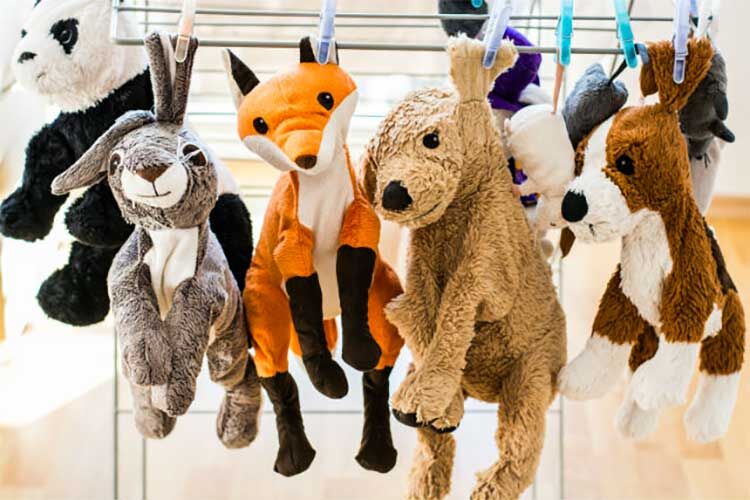
Place the toy on a clean towel in a well-ventilated area. Let it dry naturally. Avoid direct sunlight to prevent color fading. Never use a dryer as heat can damage the toy.
:max_bytes(150000):strip_icc()/how-to-clean-stuffed-toys-2146217-07-acd34b1732b54083a1ab140b9ab99364.jpg)
Credit: www.thespruce.com
Machine Washing Soft Toys
Machine washing soft toys saves time and cleans them well. It is gentle on most stuffed animals and removes dirt effectively. Following a few simple steps keeps toys safe and fluffy after washing.
Use A Laundry Bag Or Pillowcase
Place soft toys inside a laundry bag or pillowcase. This protects them from damage during the wash cycle. It also stops small parts from coming loose or falling off.
Select Gentle Cycle Settings
Choose the gentle or delicate cycle on your washing machine. Use cold or warm water, never hot. This prevents the toy’s colors from fading and fabric from shrinking.
Drying Options Post-wash
Air drying is the safest option for soft toys. Lay the toy flat on a clean towel in a well-ventilated area. For quicker drying, use a dryer on a low heat or air fluff setting.
Cleaning Delicate Or Electronic Toys
Delicate and electronic soft toys need special care during cleaning. Water can damage their materials or electronics. Use gentle methods to keep them safe and clean. Follow simple steps for effective cleaning without harm.
Avoid Water Exposure
Do not soak delicate or electronic toys in water. Water can ruin batteries and circuits inside. Avoid washing machines or full immersion. Use dry or nearly dry cleaning methods instead. Keep moisture away from any electronic parts.
Use Surface Cleaning Methods
Clean toys with a soft cloth or sponge. Lightly dampen the cloth with water or mild soap. Wipe gently on the toy’s surface. Avoid scrubbing hard to prevent damage. For stubborn dirt, use a small brush carefully. Let the toy air dry completely before use.
Sanitizing Without Damage
Use gentle disinfectants safe for fabrics and electronics. Spray lightly on a cloth, never directly on the toy. Wipe surfaces to kill germs and bacteria. Avoid harsh chemicals that can harm the toy’s material. Allow the toy to dry fully before giving it back to children.
Maintaining Soft Toys Between Washes
Soft toys need care beyond washing. Keeping them clean between washes helps them last longer. It also keeps them safe for children to play with. Simple habits can prevent dust and germs from building up. These steps keep your toys fresh and nice.
Regular Dusting
Dust soft toys often to stop dirt buildup. Use a soft brush or cloth to wipe gently. This removes loose dust and small particles. Dusting keeps toys looking bright and clean. It also helps avoid allergies caused by dust.
Sunlight Exposure
Place soft toys in sunlight for a short time. Sunlight kills germs and helps remove odors. Avoid leaving toys too long to prevent color fading. A few hours of sunlight every week is enough. This natural method keeps toys fresh and healthy.
Storage Tips
Store soft toys in a dry, clean place. Avoid damp areas to stop mold and mildew. Use breathable bags or open shelves for storage. Keep toys away from direct sunlight to protect colors. Proper storage extends the life of soft toys.
Frequently Asked Questions
How Often Should Soft Toys Be Cleaned?
Soft toys should be cleaned every 1-2 months to remove dust and germs. Frequent cleaning keeps them hygienic and safe for children.
Can All Soft Toys Be Machine Washed?
Most soft toys can be machine washed on a gentle cycle. Check the label first to avoid damage and use mild detergent.
What Is The Best Way To Dry Soft Toys?
Air drying is best for soft toys to maintain shape. Avoid direct sunlight and use a fan or open window for faster drying.
How Can I Remove Stains From Soft Toys?
Use a mild soap and warm water to gently spot clean stains. Avoid harsh chemicals to protect fabric and colors.
Conclusion
Cleaning soft toys keeps them fresh and safe for kids. Regular washing removes dirt and germs easily. Always check the label for the best cleaning method. Gentle hand washing or machine washing on a soft cycle works well. Dry toys completely to avoid mold and bad smells.
Clean toys last longer and stay soft and cuddly. A little effort makes a big difference in toy care. Keep your child's favorite soft toys clean and happy. Simple steps help maintain softness and safety every time.