Are you wondering if a baby walker is just a fun toy or something more important? You might be asking yourself whether it helps your little one learn to walk or if it’s simply a plaything.
This question matters because what you choose for your baby can affect their growth and safety. You’ll discover the truth about baby walkers and what they really mean for your child’s development. Keep reading to make the best choice for your baby’s first steps.
Baby Walkers: Equipment Or Toy?
Baby walkers are common in many homes with infants. People often wonder if they are helpful equipment or just toys. This topic is important for parents and caregivers.
Understanding what baby walkers really are can help adults make better choices for child safety and development.
Defining Baby Walkers
Baby walkers are devices with wheels that support babies as they learn to walk. They usually have a seat attached to a frame. Babies sit inside and push with their feet to move around.
Some walkers come with toys and buttons on the front tray. This feature makes them look like playthings, but their main purpose is to help babies move.
Common Uses And Perceptions
Parents use baby walkers to keep babies entertained and active. They also think walkers help babies learn to walk faster. Others see them as just toys that keep babies busy.
- Help babies practice standing and walking
- Provide a safe space to explore indoors
- Entertain babies with attached toys
- Can cause safety concerns if not supervised
- May delay natural walking development in some cases
| Aspect | Equipment | Toy |
| Primary Use | Support walking practice | Provide fun and play |
| Design | Stable frame with seat and wheels | Colorful buttons and sounds |
| Risk Level | Moderate if supervised | Low if used properly |
| Development Impact | May aid or delay walking | Focuses on entertainment |
Safety Concerns
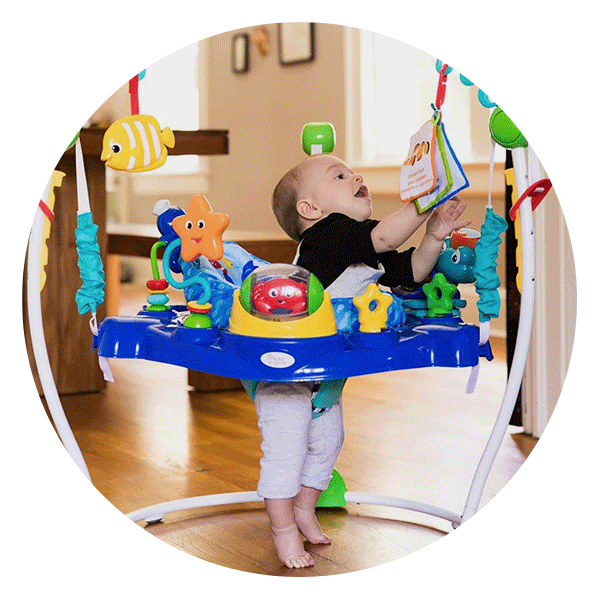
Baby walkers are popular equipment for infants learning to move. Parents often wonder if they are toys or helpful tools. Safety is a big concern when using walkers.
This article looks at the risks, injury data, and safety rules about baby walkers. Understanding these points can help caregivers make safe choices.
Risks Associated With Walkers
Walkers can cause accidents because they let babies move fast without full control. Babies may reach dangerous places or fall down stairs.
- Falls down stairs or from raised surfaces
- Access to sharp objects or hot items
- Delay in learning to walk naturally
- Head injuries from tipping over
- Choking hazards from small objects reached while in walker
Injury Statistics And Reports
Many injuries happen each year due to baby walker use. Emergency rooms see cases of falls and bumps.
| Year | Injuries Reported | Hospital Visits |
| 2019 | 3,500 | 1,200 |
| 2020 | 3,200 | 1,100 |
| 2021 | 3,000 | 1,000 |
Safety Standards And Regulations
Authorities set rules to reduce walker risks. These include design limits and safety features.
- Walkers must have wide bases to prevent falls
- Brakes or stoppers are required to avoid stair accidents
- Materials must be non-toxic and sturdy
- Warning labels must be clear for parents
- Some countries ban walkers due to injury rates
Benefits And Drawbacks
Baby walkers are common tools used to support infants as they learn to move. Parents often wonder if these are helpful toys or just equipment. This article looks at the main benefits and drawbacks.
Understanding both sides helps caregivers decide if a baby walker suits their child’s needs and safety.
Potential Developmental Advantages
Baby walkers can offer some benefits in a child’s early development. They may help babies practice balance and strengthen leg muscles.
- Encourages leg muscle growth through movement
- Gives babies a new perspective to explore their environment
- May improve hand-eye coordination by reaching for toys attached
- Supports independent movement before walking unaided
Possible Negative Effects On Mobility
Despite some benefits, baby walkers can also cause problems with mobility. They might delay a baby’s natural walking skills or cause unsafe habits.
| Possible Drawbacks | Impact on Baby |
|---|---|
| Delayed walking | Babies may rely on walker support too long |
| Poor balance | Walker use can reduce natural balance practice |
| Safety risks | Risk of falls, bumps, and access to dangerous areas |
| Muscle weakness | May limit use of core muscles needed for walking |
Alternatives To Baby Walkers
Many parents wonder if baby walkers are safe or helpful. Some worry they may delay walking skills or cause injuries.
There are other options that support babies as they learn to move. These alternatives help babies develop balance and strength safely.
Stationary Activity Centers
Stationary activity centers keep babies in one place while they play. They offer toys and activities to reach for and explore.
These centers help babies practice sitting, standing, and using their hands. They do not move around, so they are safer than walkers.
- Support muscle development
- Encourage hand-eye coordination
- Keep babies safe in one spot
- Promote standing without moving
Encouraging Natural Walking Progression
Helping babies walk naturally is best for their growth. Allow them to crawl, cruise along furniture, and take steps with support.
Use your hands or stable furniture to help your baby balance. This encourages muscles to grow and helps babies learn to walk safely.
- Let babies explore on the floor
- Support cruising along sofas or tables
- Hold your baby’s hands for walking practice
- Provide safe, open spaces for movement
Expert Recommendations
Parents often wonder if a baby walker is equipment or a toy. Experts share their views on this topic. Understanding their advice helps parents make safe choices.
Baby walkers are designed to support babies learning to walk. They also offer entertainment, which can make them seem like toys. Expert opinions help clarify their purpose and safety.
Pediatrician Views
Pediatricians say baby walkers are more like equipment than toys. They help babies practice walking skills. But they warn about risks if used unsafely.
Doctors note that walkers can delay walking milestones. Babies might rely on support instead of building leg strength. Many recommend limited use or avoiding walkers altogether.
- Walkers help babies move but do not teach balance well.
- They may increase falls and injuries at home.
- Supervision is needed when babies use walkers.
- Some pediatricians suggest stationary activity centers instead.
Safety Tips For Parents
Parents should focus on safety if they use baby walkers. Proper use and home preparation reduce accident risks. Always watch the baby closely during use.
Setting clear rules for walker use helps keep babies safe. Removing hazards and using safety gates can prevent injuries. Follow these tips to create a safer environment.
- Use walkers only on flat, even surfaces.
- Keep stairs and pools blocked by gates.
- Remove sharp or breakable objects nearby.
- Limit walker time to short sessions each day.
- Never leave the baby unattended in a walker.
Choosing The Right Baby Equipment
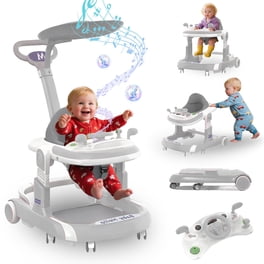
Picking the right baby equipment is important for your child's safety and growth. Parents often wonder if a baby walker is a toy or essential equipment.
Understanding the purpose and features of baby walkers can help you make an informed decision. Let's explore what to consider when choosing a baby walker.
Evaluating Needs And Preferences
Parents should think about their child's specific needs before buying a walker. Consider the age and development stage of your baby.
Think about your living space. Some walkers are better for small areas, while others need more room.
- Age and development stage
- Available space at home
- Budget for baby equipment
Features To Look For
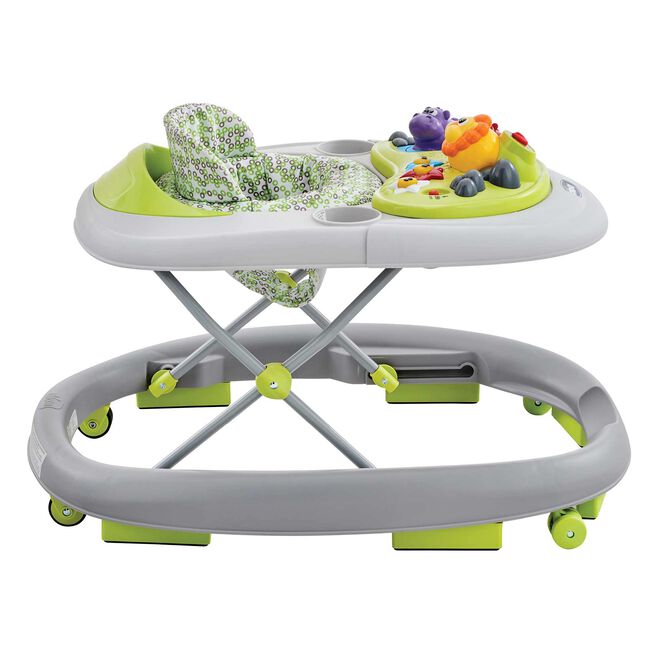
When choosing a baby walker, look for features that ensure safety and comfort. Check if the walker has a sturdy frame and wide base.
Adjustable height is important for growing babies. Also, consider if the seat is comfortable and easy to clean.
- Sturdy frame and wide base
- Adjustable height settings
- Comfortable and washable seat
- Non-slip wheels for safety
Frequently Asked Questions
Is A Baby Walker Considered Equipment Or Toy?
A baby walker is both equipment and a toy. It supports mobility but also entertains babies. Its primary role is aiding walking development.
Are Baby Walkers Safe For Infants?
Baby walkers can pose safety risks. They may cause falls or accidents. Always supervise babies closely when using a walker.
How Do Baby Walkers Help Babies Learn To Walk?
Walkers provide support and balance. They encourage leg movement and muscle strengthening. However, they should not replace supervised floor time.
Can Baby Walkers Delay Walking Milestones?
Excessive walker use might delay walking skills. It can reduce time spent on natural crawling and standing. Use walkers in moderation for best results.
Conclusion
Baby walkers can be both equipment and toys for babies. They help babies move but need careful use. Safety is very important when using walkers. Parents should watch their babies closely at all times. Walkers may support walking but cannot replace learning steps naturally.
Choosing the right walker matters for your child’s growth. Always think about what suits your baby best. Keep your baby safe and happy during play and learning.