Choosing the right baby rattle toy is more than just picking something colorful or noisy. It’s about keeping your little one safe while encouraging their growth and curiosity.
You want to make sure the materials are free from harmful chemicals and gentle on your baby’s delicate skin. You’ll discover exactly which materials are safest for your baby’s rattle toy. Knowing this can give you peace of mind and help your baby explore the world confidently.
Keep reading to find out what to look for—and what to avoid—when selecting the perfect rattle for your child.
Why Material Safety Matters
Choosing safe materials for baby rattles is very important. Babies often put toys in their mouths. Unsafe materials can harm their health.
Parents and caregivers must know the risks. Safe materials protect babies from toxins and injuries.
Health Risks From Toxic Materials
Toxic materials in baby rattles can cause many health problems. Babies’ bodies are still growing and are more sensitive to chemicals.
- Lead can harm brain development and cause learning problems.
- Phthalates may affect hormones and cause developmental issues.
- BPA exposure can lead to behavioral problems and weak immune systems.
- Formaldehyde can irritate the skin, eyes, and respiratory system.
Using safe materials reduces these risks. It keeps babies healthy and safe while they play.
Regulations And Standards For Baby Toys
Governments set rules to make sure baby toys are safe. These rules limit harmful substances in toys.
| Regulation | Description | Focus Area |
| ASTM F963 | Standard for toy safety in the USA | Material safety, choking hazards |
| EN71 | European toy safety standard | Chemical limits, mechanical safety |
| CPSIA | Consumer Product Safety Improvement Act | Lead and phthalate limits |
| ISO 8124 | International toy safety standards | Material and physical safety |
Manufacturers must follow these rules. This helps parents trust the safety of baby rattles.
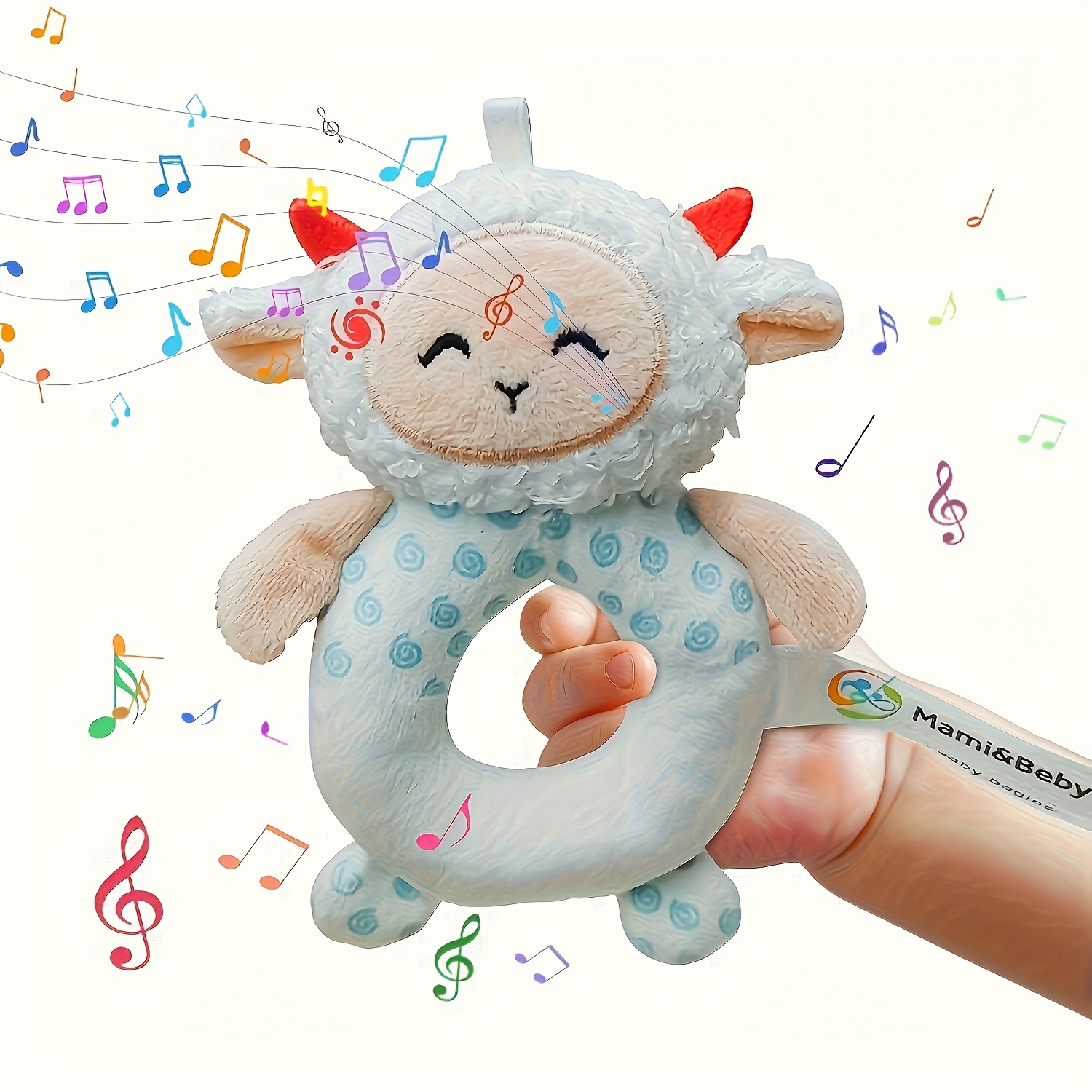
Common Materials In Baby Rattles
Baby rattles come in many materials. Each material has its own safety features.
Choosing safe materials helps keep babies healthy and happy while playing.
Plastic Options
Many baby rattles use plastic because it is light and colorful. Safe plastics are free from harmful chemicals.
Look for BPA-free and phthalate-free plastics. These plastics do not release toxins when chewed or sucked.
- Polypropylene (PP) is safe and durable.
- High-density polyethylene (HDPE) is tough and non-toxic.
- Avoid PVC and plastics with BPA.
Wood Types
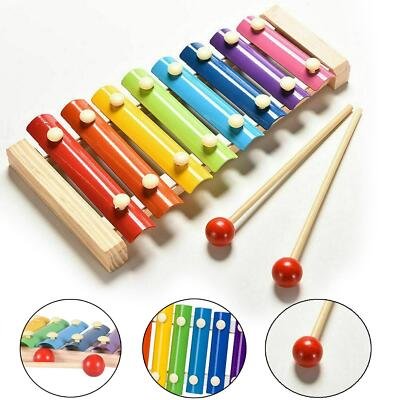
Wood rattles are natural and strong. They feel nice to touch and are eco-friendly.
Choose smooth, untreated wood without splinters. Some woods are safer for babies than others.
- Maple wood is hard and safe for babies.
- Beech wood is smooth and durable.
- Avoid woods treated with chemicals or varnishes.
Silicone Benefits
Silicone is soft and flexible. It is gentle on baby gums and easy to clean.
Food-grade silicone is free from harmful substances. It resists heat and does not break easily.
- Silicone rattles are good for teething babies.
- They are lightweight and safe for chewing.
- Non-toxic and BPA-free silicone is best.
Fabric Choices
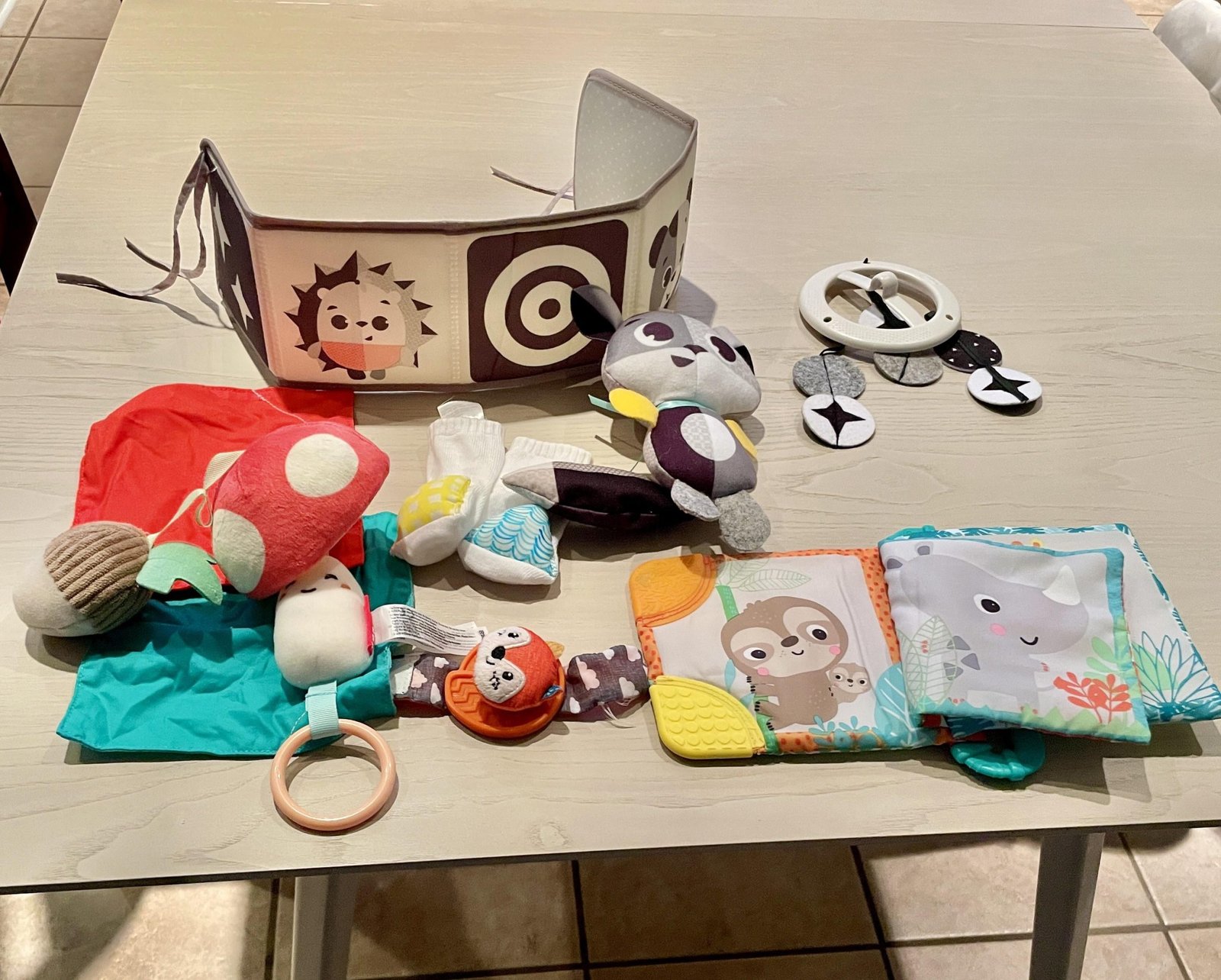
Fabric rattles are soft and cuddly. They often include crinkle sounds or bells inside.
Use natural fabrics that are gentle on baby skin. Washable fabrics keep rattles clean and safe.
- Cotton is soft and breathable.
- Organic cotton reduces allergy risks.
- Avoid synthetic fabrics that may irritate skin.
Non-toxic Material Options
Choosing safe materials for baby rattles is very important. Babies often put toys in their mouths. Non-toxic materials keep them safe from harmful chemicals.
There are many good options for baby rattles. These materials are free from dangerous substances and gentle on babies' skin.
Bpa-free Plastics
BPA-free plastics do not have bisphenol A, a harmful chemical. They are safe for babies to chew and play with.
These plastics are durable and easy to clean. Parents can trust BPA-free plastics for everyday use.
Natural Woods And Finishes
Natural wood is strong and safe for baby rattles. It does not contain harmful chemicals found in some plastics.
Wood finishes made from natural oils or waxes protect the wood without adding toxins. They keep the rattle smooth and safe.
- Choose untreated or naturally finished wood
- Avoid paints with lead or toxic chemicals
- Look for smooth surfaces with no splinters
Food-grade Silicone
Food-grade silicone is soft and flexible. It is free from harmful chemicals like phthalates and BPA.
This material is easy to clean and durable. Babies can safely chew on silicone parts to soothe their gums.
- Look for silicone marked as food-grade
- Ensure it is free from heavy metals and toxins
- Check for easy-to-clean designs
Organic Cotton And Natural Fabrics
Organic cotton is grown without harmful pesticides. It is soft and safe for babies to touch and chew.
Natural fabrics are breathable and gentle on skin. They reduce the risk of allergies and irritation.
- Choose certified organic cotton fabrics
- Avoid synthetic dyes and chemicals
- Wash fabrics before use to remove residues

Certifications To Look For
Choosing safe materials for baby rattle toys is very important. Certifications help you find safe and tested products.
These certifications show that the materials meet strict safety rules. They protect babies from harmful chemicals and hazards.
Astm And Cpsia Compliance
The ASTM standards check toy safety in the United States. They cover choking risks, sharp edges, and material safety.
CPSIA is a law that requires testing and certification for children’s products. It limits lead and phthalates in toys.
- ASTM F963 is the key toy safety standard
- CPSIA requires third-party testing and certificates
- Both help keep baby rattles free from toxins
Oeko-tex And Gots Labels
OEKO-TEX certifies textiles free from harmful chemicals. It ensures fabrics are safe for babies’ sensitive skin.
GOTS stands for Global Organic Textile Standard. It certifies organic fibers and eco-friendly production in textiles.
- OEKO-TEX Standard 100 is common for baby textiles
- GOTS ensures organic cotton and natural dyes
- Both labels show safe and eco-friendly textile use
Fda Approved Materials
The FDA approves materials that contact food or mouths. Baby rattles often use FDA-approved plastics and paints.
These materials do not contain harmful chemicals. They are safe if babies chew or suck on the toy.
- FDA approval covers plastics like polypropylene and silicone
- Approved paints are non-toxic and lead-free
- FDA rules protect babies from chemical exposure
Tips For Choosing Safe Baby Rattles
Baby rattles are fun toys that help your baby learn and explore. Safety is very important when picking a rattle.
Choosing safe materials and designs protects your baby from harm while playing with rattles.
Checking For Small Parts And Choking Hazards
Small parts can come off and cause choking. Make sure the rattle does not have pieces that can break easily.
Choose rattles that are one solid piece or have parts firmly attached. Avoid toys with buttons or beads that can fall off.
- Test if small parts stay in place when pulled
- Look for rattles designed for babies under 3 years old
- Check safety labels and warnings on packaging
Avoiding Sharp Edges And Loose Components
Sharp edges can hurt your baby’s skin or mouth. Loose parts can come off and cause injury or choking.
Choose rattles with smooth, rounded edges. Make sure all parts are tightly attached and cannot be removed by your baby.
- Run your fingers along the rattle to check for rough or sharp spots
- Press parts to see if they move or come loose
- Avoid rattles with screws or small attachments that can fall out
Cleaning And Maintenance For Safety
Clean rattles regularly to keep germs away from your baby. Dirty toys can cause infections or allergies.
Use safe cleaning methods that do not damage the rattle or its safety features. Check the rattle often for wear or damage.
- Wash rattles with warm soapy water or baby-safe cleaners
- Dry rattles completely before giving them to your baby
- Throw away rattles with cracks, loose parts, or damage
Diy Safe Baby Rattles
Creating a safe baby rattle at home is fun and rewarding. By using safe materials, you ensure your baby's health and happiness.
This guide helps you choose materials and designs that are perfect for crafting your own baby rattles.
Selecting Safe Materials At Home
Choosing safe materials is crucial for your DIY baby rattle. Natural and non-toxic materials are best.
- Wooden beads without sharp edges
- Organic cotton fabric
- Natural wool stuffing
- Unfinished wooden rings
Simple Designs For Safety
Simple designs minimize hazards and make the rattle easy to use. Avoid small parts that can be swallowed.
Ensure all parts are securely attached. Test the rattle by shaking it firmly.
Non-toxic Paints And Finishes
Use non-toxic paints to add color and finish to your baby rattle. This keeps it safe if chewed or sucked by the baby.
| Paint Type | Safety Level |
| Water-based paints | High |
| Milk paints | High |
| Natural oils (e.g., linseed) | High |

Frequently Asked Questions
What Materials Are Safest For Baby Rattle Toys?
Safe baby rattles are made from BPA-free plastic, natural wood, and silicone. These materials are non-toxic, durable, and free from harmful chemicals. Always choose rattles that meet safety standards and are easy to clean to ensure your baby's health and safety.
Why Avoid Rattles With Toxic Materials?
Toxic materials can cause choking, allergies, or poisoning in babies. Harmful chemicals like BPA and phthalates affect development. Choosing non-toxic, certified-safe rattles protects your child’s health and promotes safe playtime without risks of exposure to dangerous substances.
How To Identify Non-toxic Baby Rattle Materials?
Look for BPA-free, phthalate-free, and lead-free labels on rattles. Certifications like ASTM or CPSIA compliance indicate safety. Opt for natural wood or food-grade silicone rattles. Always check manufacturer details and reviews to ensure materials are safe and baby-friendly.
Are Wooden Rattles Safer Than Plastic Ones?
Wooden rattles are often safer because they are natural and chemical-free. They are biodegradable and durable but must be smooth and untreated. Plastic rattles can be safe if BPA-free and non-toxic. Both types need proper safety certification for baby use.
Conclusion
Choosing safe materials for baby rattle toys protects your little one’s health. Soft wood, BPA-free plastic, and natural fabrics work best. These materials avoid harmful chemicals and sharp edges. Always check labels and buy from trusted brands. Clean toys regularly to keep them safe and fresh.
Remember, a safe toy means happy, healthy playtime. Keep your baby’s safety a top priority. Simple steps make a big difference. Safe materials bring peace of mind for parents.