Watching your toddler take their first steps is a magical moment, but it can also be a bit nerve-wracking. You want to help your little one gain confidence while staying safe.
That’s where a walking assistant toy comes in. It’s more than just a fun plaything—it supports your child’s balance and encourages movement in a way that feels natural and exciting. If you’re wondering how to make those first steps easier and more enjoyable for your toddler, keep reading.
You’ll discover the key benefits and tips to choose the perfect walking assistant toy that fits your child’s needs.

Benefits Of Walking Assistants
Walking assistants help toddlers as they learn to walk. These toys support balance and give toddlers confidence.
Using a walking assistant can make the learning process safer and more fun. It encourages toddlers to explore on their own.
Enhancing Toddler Confidence
Walking assistants help toddlers feel brave when they try to walk. They provide support, so toddlers do not feel scared to fall.
When toddlers use these toys, they gain trust in their own skills. This helps them try new movements and practice more.
Supporting Physical Development
Walking assistants help toddlers build muscles in their legs and feet. They also improve balance and coordination.
| Physical Benefit | How It Helps |
| Muscle Strength | Supports walking and standing |
| Balance | Prevents falls and improves stability |
| Coordination | Helps control movements better |
| Endurance | Allows longer active playtime |
Encouraging Independent Mobility
Walking assistants encourage toddlers to move on their own without help. This builds their independence.
- Toddlers learn to control their steps
- They explore different spaces safely
- They practice stopping and turning
- They develop confidence to try walking alone
Choosing The Right Toy
Picking a walking assistant toy for toddlers needs careful thought. This toy helps kids learn to walk safely. Choosing the right one makes a big difference in your child’s progress and safety.
Parents should check important features before buying. This guide covers safety, size fit, and the toy’s material quality.
Safety Features To Consider
Safety is the top priority. Look for toys with wide bases to prevent tipping. The wheels should have brakes or slow movement to avoid fast rolling. Rounded edges keep toddlers from getting hurt.
- Wide, stable base for balance
- Brakes or slow-moving wheels
- Rounded, smooth edges
- Non-toxic paint and materials
- Handles at child height for good grip
Age And Weight Appropriateness
Choose a toy that fits your child’s age and weight. Using a toy too big or small can cause accidents. Check the manufacturer’s recommended age and weight limits to match your toddler.
| Age Range | Weight Limit | Recommended Use |
| 9 to 12 months | Up to 20 lbs (9 kg) | First steps practice, supervised use |
| 12 to 18 months | 20 to 30 lbs (9 to 14 kg) | Walking support, balance aid |
| 18 to 24 months | 30 to 40 lbs (14 to 18 kg) | Building confidence, longer walks |
Material And Durability
Durable materials make the toy last longer and stay safe. Wood and strong plastic are common choices. Avoid toys with small parts that can break off. The surface should be easy to clean and smooth to touch.
- Non-toxic and safe finishes
- Strong joints and connections
- Scratch and dent resistance
- Easy to clean surfaces
Types Of Walking Assistant Toys
Walking assistant toys help toddlers learn to walk safely. They support balance and build confidence.
There are different types of walking assistant toys. Each type offers unique features for toddlers.
Push Walkers
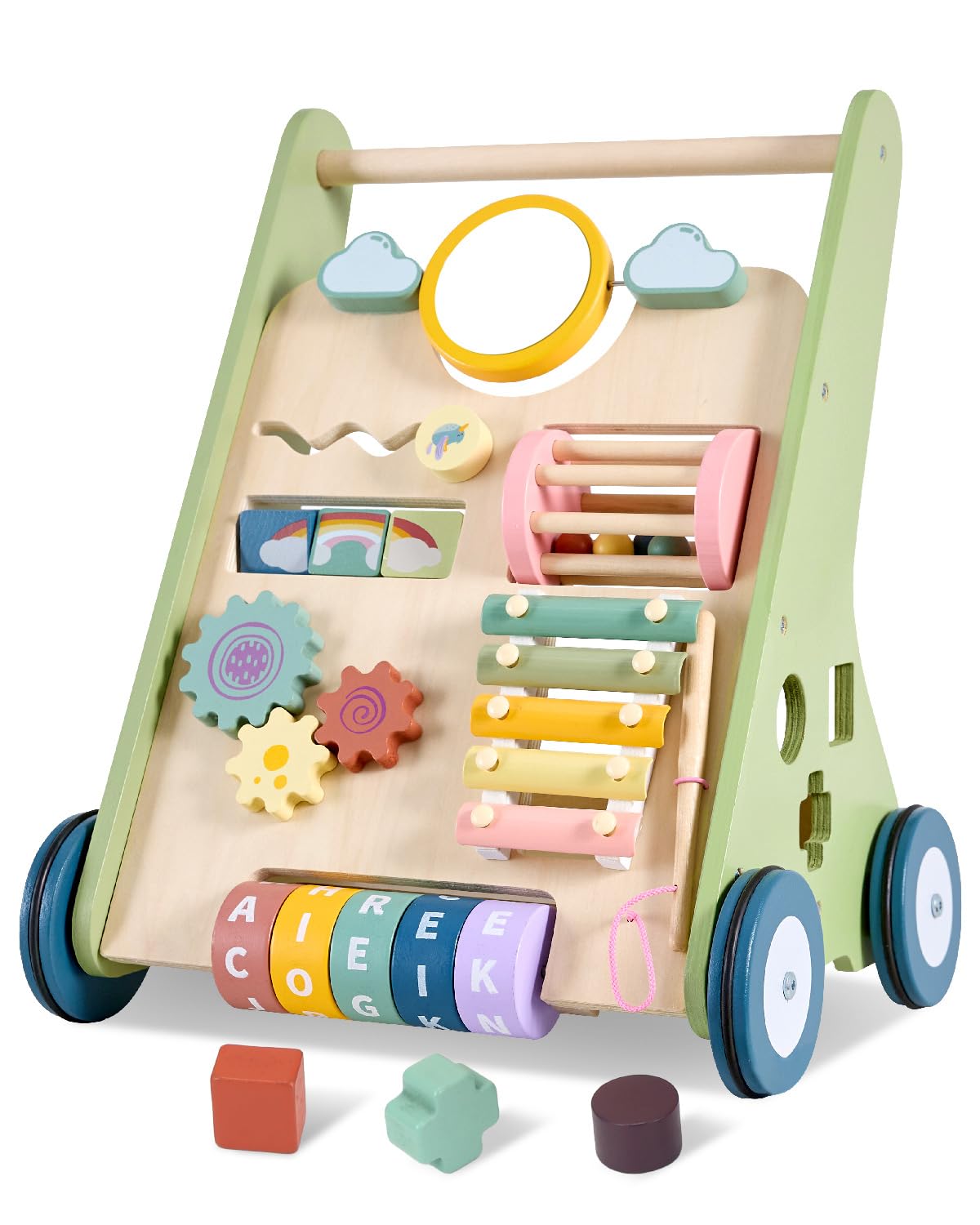
Push walkers are simple toys with handles toddlers can hold. They push the toy as they walk.
These walkers usually have wheels and a sturdy base. They help toddlers practice walking with support.
- Easy to grip handles for small hands
- Wide base for better balance
- Some have built-in toys for engagement
Ride-on Walkers
Ride-on walkers allow toddlers to sit and move using their feet. They combine fun and walking practice.
These toys usually have wheels and a low seat. Toddlers can push with their legs to move around.
- Supports leg strength and coordination
- Encourages movement and exploration
- Offers a fun way to build walking skills
Activity Centers
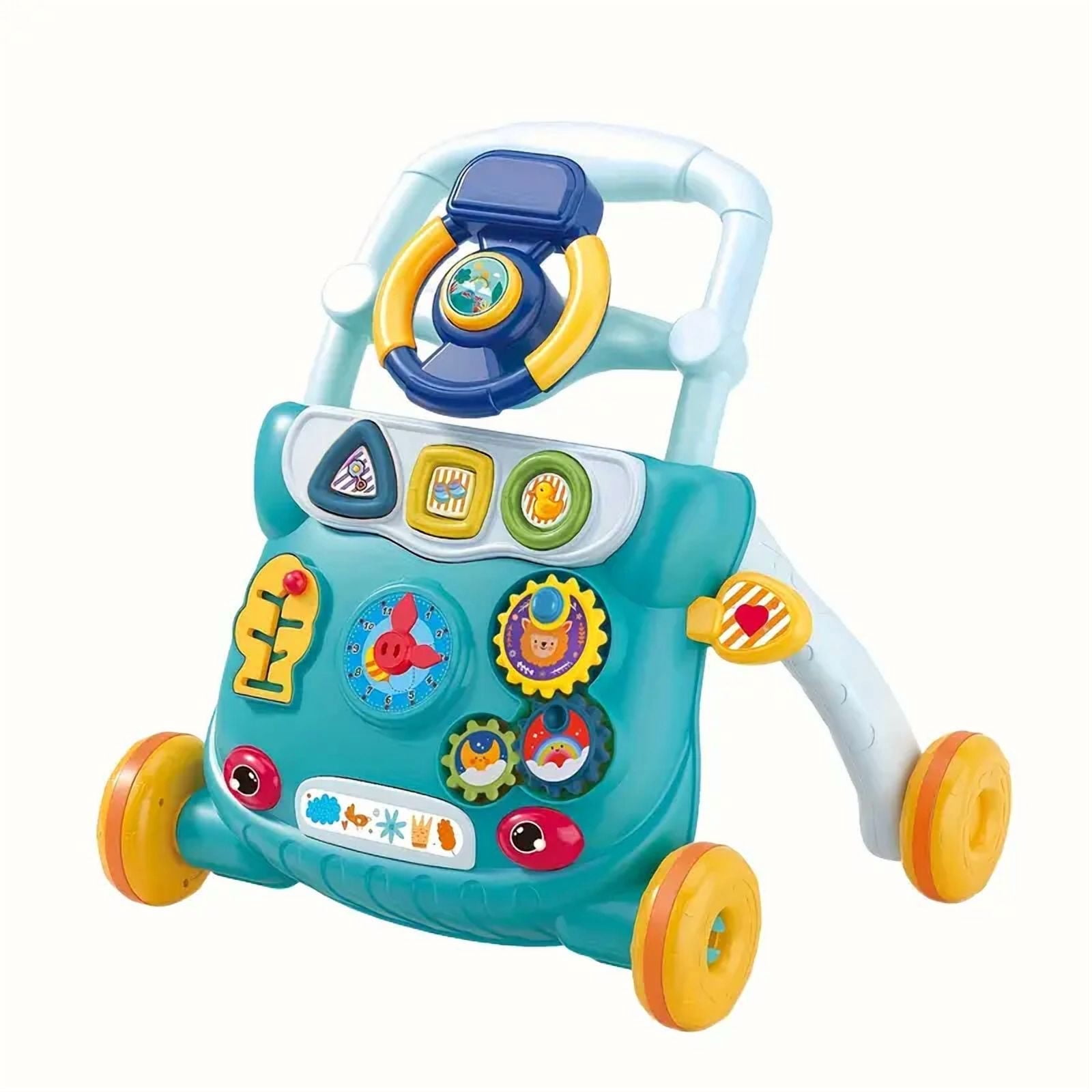
Activity centers combine walking support with play features. Toddlers can stand and explore toys on them.
These centers often have buttons, lights, and sounds. They keep toddlers interested while helping balance.
- Encourages standing and walking practice
- Includes interactive toys to stimulate senses
- Helps develop motor skills and focus
How To Use Walking Toys Safely
Walking assistant toys help toddlers learn to walk with confidence. Using them safely is very important to avoid injuries.
Parents and caregivers must follow safety tips to create a safe experience. This guide shows how to use walking toys carefully.
Supervision Tips
Always watch your toddler while using a walking toy. Never leave them alone, even for a short time.
Stay close to help if your child loses balance or needs support. Your presence keeps them safe and confident.
Safe Play Environment
Choose a flat, clear space for your toddler to use the walking toy. Remove small objects and furniture with sharp corners.
Soft flooring like carpet or foam mats can protect your child if they fall. Avoid slippery surfaces like tiles or hardwood.
- Keep the play area free of clutter
- Use soft mats or rugs under the toy
- Ensure good lighting to see hazards
Avoiding Common Hazards
Check the walking toy for loose parts or sharp edges before each use. Broken toys can cause cuts or choking risks.
Keep stairs and pools blocked off. Toddlers can fall or get hurt if they reach these areas while using the toy.
- Inspect the toy regularly for damage
- Block stairs with gates or barriers
- Keep water sources out of reach
Encouraging Toddlers To Walk
Helping toddlers take their first steps is an exciting journey. A walking assistant toy can boost their confidence and balance.
Using simple methods encourages toddlers to enjoy walking. This support helps them grow stronger and more independent.
Positive Reinforcement Techniques
Praise and rewards help toddlers feel proud of their progress. Positive words make them want to try again and again.
- Clap and smile when they take steps
- Use encouraging phrases like “You can do it!”
- Give small treats for milestones reached
- Celebrate every attempt, no matter how small
Incorporating Playtime
Making walking fun helps toddlers stay interested. Toys and games can turn walking practice into play.
Use a walking assistant toy as a push toy during playtime. It helps toddlers balance and move forward.
Setting Realistic Milestones
Tracking small steps keeps the process clear and stress-free. Setting goals helps parents and toddlers see progress.
| Milestone | Typical Age | Notes |
| Standing with Support | 9-12 months | Encourage holding onto furniture or toys |
| Taking First Steps | 12-15 months | Use walking assistant toys to build confidence |
| Walking Independently | 15-18 months | Celebrate all attempts and keep practice fun |
Maintaining And Cleaning Toys
Walking assistant toys help toddlers learn to walk. Keeping these toys clean ensures safety and hygiene. Regular maintenance extends their lifespan.
This guide covers key aspects for maintaining and cleaning walking assistant toys. It includes inspection, cleaning best practices, and storage tips.
Regular Inspection
Regularly inspect the toy for any damage or wear. Check moving parts to ensure they function properly. Look for loose screws or broken parts.
- Inspect wheels for smooth movement.
- Check handles for stability.
- Ensure all parts are securely attached.
Cleaning Best Practices
Cleaning the toy regularly keeps it safe for your toddler. Use mild soap and water for most surfaces. Avoid harsh chemicals that can damage the toy.
For small parts, use a damp cloth. Dry thoroughly before use. Always follow the manufacturer's cleaning instructions.
- Use a soft cloth for cleaning.
- Rinse with water to remove soap.
- Ensure parts are completely dry.
Storage Tips
Proper storage prevents damage to the toy. Store in a cool, dry place away from direct sunlight. Avoid damp areas to prevent mold growth.
Use a storage bin to keep the toy clean when not in use. Ensure the storage area is child-safe and free from hazards.
- Store in a designated toy bin.
- Keep away from direct sunlight.
- Ensure storage area is dry.
Popular Brands And Models
Walking assistant toys help toddlers learn to walk with ease. They are designed to provide support and balance.
Many brands offer various models to suit different needs. Below are some popular options in the market.
Top-rated Push Walkers
Push walkers are great for toddlers beginning to take their first steps. They provide stability and encouragement.
- VTech Sit-to-Stand Learning Walker
- Melissa & Doug Chomp & Clack Alligator Push Toy
- Fisher-Price Laugh & Learn Puppy Walker
Best Ride-on Options
Ride-on toys offer both fun and exercise. They help in developing motor skills as toddlers push or ride them.
| Brand | Model |
| Radio Flyer | Classic Walker Wagon |
| Little Tikes | Cozy Coupe |
| Step2 | Push Around Buggy |
Affordable Choices
If you are on a budget, there are cost-effective walking toys available. These options provide good value and support.
Consider these budget-friendly walkers:
- Baby Joy 4-in-1 Walker
- Kolcraft Tiny Steps 2-in-1 Activity Walker
- Disney Baby Music and Lights Walker
Frequently Asked Questions
What Age Is Suitable For A Walking Assistant Toy?
Walking assistant toys are ideal for toddlers aged 9 to 18 months. This is when they start learning to walk confidently. The toy helps improve balance and coordination during early walking stages.
How Does A Walking Assistant Toy Aid Toddler Development?
It supports motor skills by encouraging standing and walking. The toy boosts muscle strength and balance. It also promotes confidence and independence in toddlers.
Are Walking Assistant Toys Safe For Toddlers?
Yes, most walking assistant toys are made with child-safe materials. They have sturdy designs to prevent tipping. Always check for non-toxic paint and smooth edges before use.
Can Walking Assistant Toys Be Used Indoors And Outdoors?
Absolutely, walking assistant toys are versatile for both indoor and outdoor use. They usually have wheels suitable for smooth surfaces. Always supervise toddlers while using them outdoors.
Conclusion
A walking assistant toy helps toddlers learn to walk with confidence. It keeps them safe while they explore their world. Parents can enjoy watching their child take first steps happily. These toys offer support and fun at the same time.
Choose one that suits your child’s needs and age. Watching your toddler grow and move is truly special. Small steps lead to big adventures ahead. Keep encouraging and celebrating every little success. Walking becomes easier and more enjoyable with the right help.
A walking assistant toy makes early walking moments memorable and joyful.