Have you ever wondered what makes your favorite soft toy so cuddly and comforting? Understanding what soft toys are made of can change the way you see them—and even how you choose them for yourself or your loved ones.
Whether you want to know if they’re safe, durable, or just plain cozy, this guide will reveal the secrets behind those fluffy companions you hold close. Keep reading to discover the materials that bring your soft toys to life and why they matter to you.
Common Fabrics Used
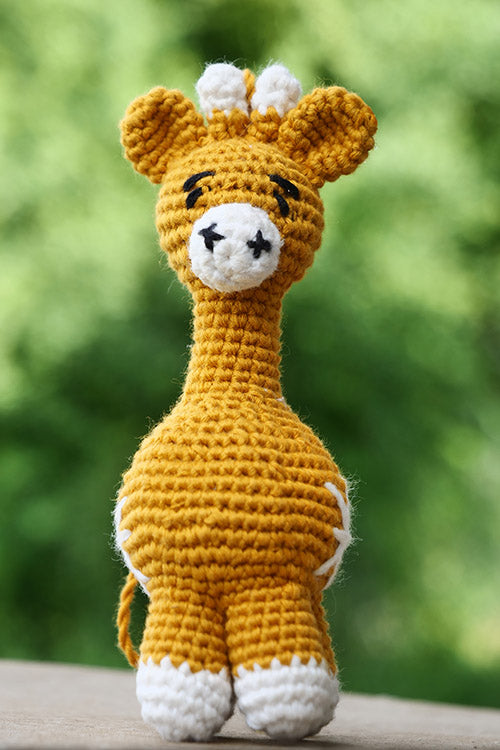
Soft toys feel nice because of the fabrics used to make them. Different fabrics give each toy a unique look and touch. Many soft toys use blends or special materials to make them soft, safe, and long-lasting. Here are some common fabrics you will find in soft toys.
Cotton And Polyester Blends
Cotton and polyester blends are very popular for soft toys. Cotton is soft and natural. Polyester adds strength and helps toys keep their shape. This blend is easy to clean and feels gentle on skin. It makes toys durable and soft at the same time.
Velvet And Plush Textures
Velvet and plush fabrics give toys a rich, smooth feel. These materials are thick and fluffy. They make toys look extra cuddly and cozy. Velvet has a shiny surface, while plush is very soft and fuzzy. These fabrics often create a special, luxury feeling.
Fleece And Felt Materials
Fleece and felt are also common in soft toys. Fleece is warm and soft. It is easy to sew and holds color well. Felt is thicker and a bit stiff. It is perfect for small details like eyes or ears. Both materials add variety and texture to soft toys.
Stuffing Materials Inside
The stuffing inside soft toys gives them shape and softness. It makes the toy cuddly and fun to hold. Different materials create different feels and weights. Some are light and fluffy, while others are firm and dense. The choice of stuffing affects the toy’s look, feel, and safety.
Polyester Fiberfill
Polyester fiberfill is the most common stuffing in soft toys. It is made from synthetic fibers that are light and fluffy. This material holds its shape well after many uses. It does not absorb moisture easily, keeping toys dry and clean. Polyester fiberfill is also hypoallergenic, making it safe for children with allergies.
Natural Fillings Like Cotton And Wool
Cotton and wool are natural stuffing materials. Cotton is soft and breathable. It gives toys a gentle, natural feel. Wool is warm and springy, adding a firm texture. Both materials are biodegradable and safe for kids. Natural fillings may need more care to avoid moisture and pests.
Eco-friendly Alternatives
Eco-friendly stuffing options are gaining popularity. These include recycled polyester and plant-based fibers. Recycled polyester uses plastic waste, reducing landfill. Plant fibers like buckwheat hulls or kapok are natural and sustainable. These materials are safe, soft, and kind to the planet. They offer a good choice for eco-conscious buyers.
Surprising Components
Soft toys are more than just fabric and stuffing. Many use surprising materials that help the planet and add special features. These new components show how soft toys evolve with technology and care for nature.
Recycled Materials
Many soft toys now use recycled fabrics and plastics. Old clothes and plastic bottles find new life inside cuddly toys. This helps reduce waste and saves resources. Parents choose these toys to teach kids about caring for Earth.
Biodegradable Fillers
Some toys use natural fillers that break down easily. Materials like organic cotton, wool, or cornstarch replace synthetic stuffing. These fillers cause less harm to the environment after disposal. Soft toys with biodegradable fillers feel soft and safe.
Smart Textiles And Sensors
New soft toys include smart textiles with sensors inside. These sensors can respond to touch or sound. They help toys interact with children, making playtime fun and learning easier. Smart soft toys blend comfort with technology.
Safety Standards And Regulations
Safety standards and regulations ensure soft toys are safe for children. These rules control the materials and chemicals used. Manufacturers must follow strict guidelines. This protects kids from harmful substances and risks.
Non-toxic Fabrics
Soft toys use fabrics that do not contain harmful chemicals. These non-toxic fabrics prevent skin irritation and health issues. Testing ensures no dangerous substances are present. Parents can trust these toys are safe to touch and cuddle.
Fire-retardant Treatments
Many soft toys have fire-retardant treatments. These treatments slow down how fast the toy can catch fire. Rules require toys to pass fire safety tests. This reduces accidents and keeps children safer at home.
Hypoallergenic Materials
Hypoallergenic materials reduce allergic reactions in sensitive children. These fabrics avoid common allergens like dust mites and mold. Soft toys with hypoallergenic materials are better for kids with allergies. They provide comfort without causing problems.
Innovations In Soft Toy Materials
Soft toys have evolved a lot over the years. New materials bring fresh ideas and better play experiences. These changes make toys safer, greener, and more fun.
Manufacturers now use fabrics and fillings that are kinder to the planet. Some toys even include technology to interact with children. There are also options to customize toys to suit personal tastes.
Sustainable Fabric Developments
Many soft toys now use eco-friendly fabrics. Organic cotton and recycled polyester are popular choices. These materials reduce waste and pollution. They keep toys soft and safe for kids. More brands focus on sustainability in their production.
Interactive And Tech-integrated Toys
Soft toys now include sensors and sounds. Some respond to touch or voice. This makes playtime more exciting and engaging. Technology helps children learn while having fun. These toys blend comfort with smart features.
Customizable Material Options
Customization is a new trend in soft toys. Parents and children can choose fabrics and colors. Some toys let you add names or messages. This creates a special, personal gift. Custom options make toys unique and meaningful.

Frequently Asked Questions
What Materials Are Commonly Used In Soft Toys?
Soft toys are usually made from cotton, polyester, or plush fabric. They often contain polyester fiberfill for softness and shape. Some may include plastic pellets for weight. These materials are chosen for their softness, safety, and durability, making toys cuddly and child-friendly.
Are Soft Toys Filled With Safe Materials?
Yes, soft toys are typically filled with non-toxic polyester fiberfill. This filling is hypoallergenic and safe for children. Manufacturers follow strict safety standards to ensure no harmful substances are used. This makes soft toys safe for all ages, including infants and toddlers.
How Do Fabric Types Affect Soft Toy Quality?
Fabric type impacts softness, durability, and appearance. Plush and fleece fabrics offer a soft feel, while cotton is breathable and natural. High-quality fabrics enhance the toy's lifespan and comfort. Choosing the right fabric ensures the toy is safe, soft, and long-lasting.
Can Soft Toys Contain Allergens?
Soft toys can sometimes contain allergens like dust mites or synthetic fibers. However, hypoallergenic materials reduce allergy risks. Regular cleaning also helps minimize allergens. Parents should choose toys labeled hypoallergenic to protect sensitive children.
Conclusion
Soft toys come in many materials, each with its own feel and safety. Most use soft fabrics and stuffing to be cuddly and safe for kids. Knowing what makes up these toys helps choose the best one. Always check the material to avoid allergies or harm.
Soft toys bring comfort and joy, made from simple, gentle components. They remain a beloved part of childhood everywhere.