Have you ever wondered why soft toys hold a special place in your heart? These cuddly companions are more than just playthings—they bring comfort, joy, and even a sense of security.
Whether you’re choosing a gift or reminiscing about your own childhood favorite, understanding what soft toys really are can change the way you see them. Keep reading to discover the surprising reasons why soft toys matter to you and how they can brighten your life in unexpected ways.
What Soft Toys Are
Soft toys are cuddly items made for comfort and play. They bring joy to children and adults alike. These toys are safe to hug and carry everywhere. Their soft texture makes them perfect for bedtime and playtime. Many people collect soft toys as keepsakes or gifts.
Soft toys come in many forms, from simple shapes to detailed characters. They are designed to be gentle and comforting. These toys often have a friendly look to attract all ages. Their light weight makes them easy to hold and carry.
Materials Used
Most soft toys use plush fabric, which feels smooth and soft. Cotton and polyester stuffing gives them a fluffy shape. Some soft toys have felt or velvet parts for extra texture. Safety eyes and noses are made from plastic or embroidery. These materials keep the toy safe and durable.
Common Shapes And Sizes
Soft toys come in many shapes, like animals, dolls, and cushions. Small toys fit in one hand, perfect for little kids. Larger toys can be as big as a pillow for hugging. Some toys have simple shapes, while others have detailed features. This variety helps people find their favorite type.
Popular Characters
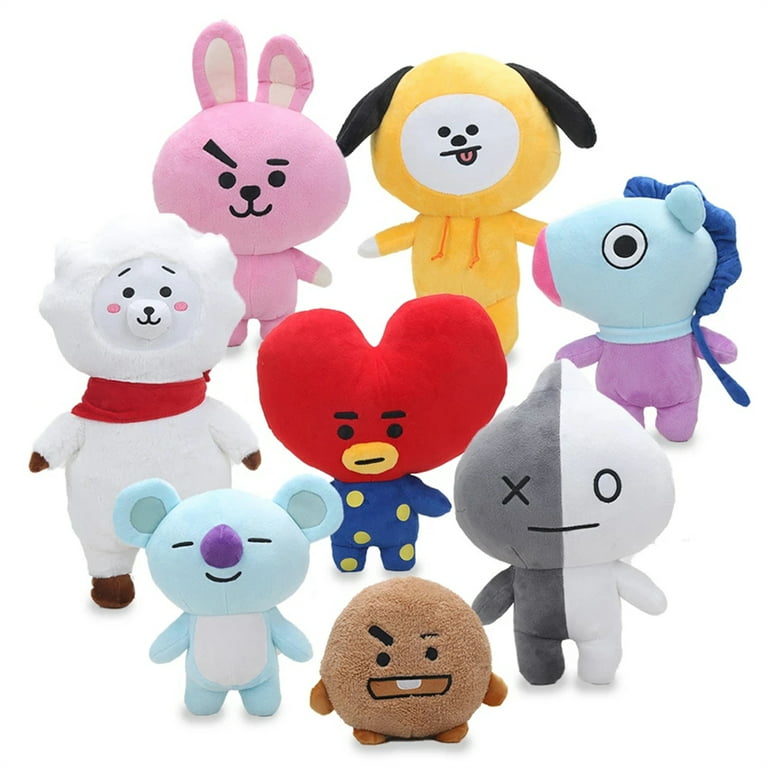
Many soft toys show famous cartoon or movie characters. Teddy bears remain the most classic and loved soft toy. Characters like Mickey Mouse and Hello Kitty are very popular. Superhero and animal characters also attract many fans. These soft toys connect with stories and memories.
History Of Soft Toys
Soft toys have been part of childhood for many years. They bring comfort and joy to children around the world. Understanding their history helps us see how they became so popular. The story of soft toys is interesting and shows changes in culture and technology.
From simple beginnings to beloved companions, soft toys have evolved a lot. They reflect the times and the ideas of different societies. Let’s explore how soft toys started, changed, and influenced culture.
Early Beginnings
The first soft toys were made from natural materials like cloth and straw. People crafted them by hand for children to hold and play with. These toys were often shaped like animals or simple figures. They served as comfort objects and teaching tools. Early soft toys were rare and special.
Evolution Over Time
Soft toys changed as new materials became available. Stuffing like cotton and later synthetic fibers made toys softer and more durable. Factories began mass-producing soft toys in the 19th century. Famous characters and animals became popular designs. Soft toys became affordable and common in homes.
Cultural Impact
Soft toys reflect cultural values and stories. Many countries have unique toy designs showing local animals or traditions. They also appear in movies, books, and art, making them part of popular culture. Soft toys help children learn empathy and care by nurturing them. They remain symbols of comfort across generations.
Why Soft Toys Are Loved
Soft toys hold a special place in many hearts. They bring joy and calm to people of all ages. Their appeal goes beyond just being a toy. There are deep reasons why soft toys are loved worldwide.
Comfort And Security
Soft toys provide a sense of comfort. Their soft texture feels gentle on the skin. Holding a soft toy can reduce stress and anxiety. They act like a cozy friend during tough times. Many children find security in their soft toys at night. This feeling helps them sleep better and feel safe.
Emotional Connection
People often form strong bonds with soft toys. They become more than just objects. Soft toys can represent a friend or a memory. Children talk to their toys and share feelings. Adults keep soft toys as reminders of love or care. This emotional connection makes soft toys very special.
Nostalgia Factor
Soft toys bring back happy memories from childhood. Many adults keep their old toys to remember good times. These toys remind people of family and friends. Nostalgia creates warm and positive feelings. This connection to the past keeps soft toys close to the heart.

Benefits For Children
Soft toys are more than just cuddly friends for children. They play a key role in a child's growth and happiness. Children find comfort, fun, and learning through these toys. Let’s explore how soft toys benefit children in different ways.
Developmental Support
Soft toys help children develop motor skills. Holding, hugging, and moving toys improve hand strength. These actions support fine motor growth. Soft toys also encourage sensory exploration through touch and texture. Children learn about different materials and shapes. This sensory play supports brain development and coordination.
Imaginative Play
Soft toys spark creativity in children. They create stories and adventures with their toys. This type of play boosts imagination and problem-solving skills. Children can explore emotions and ideas safely. Imaginative play helps kids understand the world around them better.
Social Skills
Soft toys teach children about empathy and care. Kids practice sharing and cooperation through play. They learn to express feelings and build friendships. Playing with soft toys often involves role-playing social situations. This helps improve communication and emotional skills.
Benefits For Adults
Soft toys are not just for children. Adults also enjoy many benefits from having soft toys around. These benefits touch on mental health, home style, and personal memories. Soft toys bring comfort and joy in simple ways.
Stress Relief
Holding a soft toy can calm the mind. It feels soft and warm, easing tension quickly. Soft toys help reduce anxiety by giving a sense of safety. Adults often use them to relax after long, hard days.
Decor And Collecting
Soft toys add charm to any room. They bring color and life to dull spaces. Many adults collect soft toys as a hobby. These collections show personality and create a cozy atmosphere.
Sentimental Value
Some soft toys hold special memories. They remind adults of happy times or loved ones. Keeping these toys helps people feel connected to their past. Such memories can bring comfort during tough moments.
Choosing The Right Soft Toy
Choosing the right soft toy is important for a happy and safe experience. Soft toys bring comfort and joy to children and adults. Picking the best one depends on several factors. Safety, age, and personal likes all play a key role in this choice.
Safety Considerations
Safety is the top priority when selecting a soft toy. Look for toys made from non-toxic materials. Check for small parts that can come loose and cause choking. Seams should be strong to avoid stuffing coming out. Washable toys are better for hygiene. Avoid toys with sharp edges or hard components.
Age Appropriateness
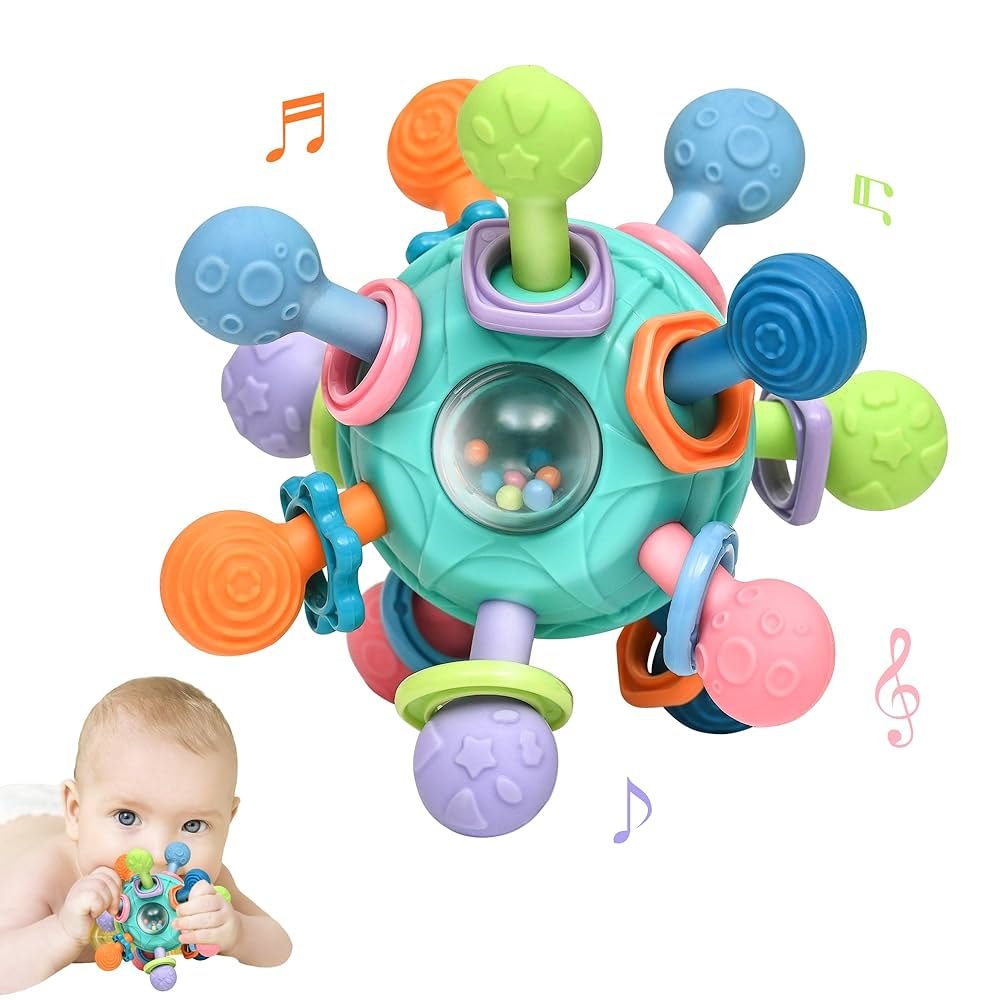
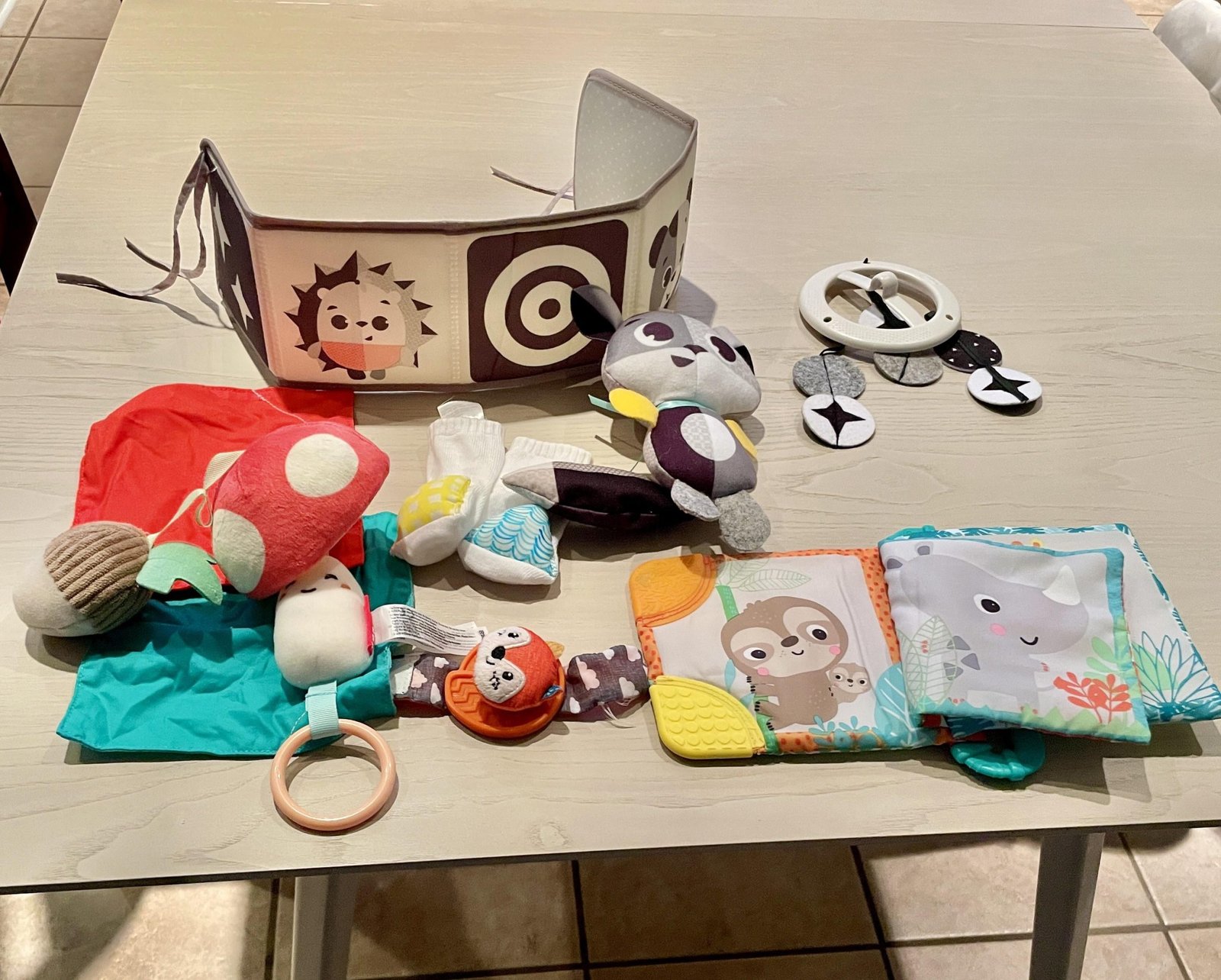
Soft toys come in many sizes and styles for different ages. Babies need soft toys without small pieces. Toddlers enjoy toys with bright colors and different textures. Older kids may like stuffed animals that reflect their interests. Choose toys labeled for the correct age group. This helps ensure safety and fun.
Personal Preferences
Everyone has different tastes in soft toys. Some may prefer classic teddy bears. Others might like animals, cartoon characters, or fantasy creatures. Consider the favorite colors and shapes of the person. Soft toys with a special meaning can create strong bonds. Choose a toy that feels right and brings happiness.
Care And Maintenance Tips
Soft toys bring comfort and joy to many people. They need care to stay clean and last long. Proper care keeps them soft and fresh. Here are some easy tips to help you maintain your soft toys.
Cleaning Methods
Surface cleaning works well for lightly dirty toys. Use a damp cloth and mild soap. Gently rub the toy’s surface to remove dirt. Avoid soaking the toy to protect the stuffing.
Machine washing suits durable soft toys. Place the toy in a pillowcase or laundry bag. Use a gentle cycle with cold water. Air dry the toy to keep its shape.
Spot cleaning helps with small stains. Use a soft brush and mild detergent. Dab the stain carefully without spreading it. Let the toy dry completely before use.
Storage Ideas
Keep soft toys in a dry, cool place. Avoid direct sunlight to prevent color fading. Use breathable containers or fabric bags for storage.
Avoid plastic bags that trap moisture. Moisture causes mold and bad smells. Store toys separately to prevent damage or dirt transfer.
Organize toys on shelves or in bins. Label bins for easy finding and neatness. Regularly check stored toys for dust or pests.
Repairing Damage
Small tears need quick fixing. Use a needle and thread to sew them closed. Match thread color to keep the repair invisible.
Replace missing eyes or noses with craft supplies. Glue or sew on the new parts carefully. Avoid sharp items that may hurt children.
Fluffy stuffing can be added through small openings. Use clean, soft filling material for safety. Close openings tightly after refilling to keep the shape.

Trends And Innovations
Soft toys have evolved beyond simple stuffed animals. New trends and innovations make them more appealing and useful today. These changes focus on safety, fun, and personal connection. They also reflect growing awareness about the environment.
Eco-friendly Materials
Soft toys now use materials that are kind to the planet. Organic cotton and recycled fabrics are popular choices. These materials reduce waste and avoid harmful chemicals. Many manufacturers avoid plastic stuffing and use natural fibers instead. This shift helps protect nature while keeping toys soft and safe.
Interactive Features
Many soft toys include interactive elements. Some have sounds, lights, or movements triggered by touch. Others connect to apps for learning games or stories. These features keep children engaged and encourage play. Interactive toys can also help develop skills like listening and problem-solving.
Customization Options
Personalized soft toys are growing in popularity. Buyers can choose colors, names, and even special outfits. Some companies allow customers to design faces or add messages. Customization makes each toy unique and special. It creates a stronger bond between the child and the toy.
Frequently Asked Questions
What Are Soft Toys Made Of?
Soft toys are usually made from plush fabric, cotton, or synthetic fibers. They are stuffed with materials like polyester, foam, or beans to make them cuddly and safe for children.
Why Are Soft Toys Popular With Kids?
Soft toys provide comfort and companionship. Their soft texture makes them safe and perfect for hugging, helping children feel secure and emotionally supported.
How Do Soft Toys Benefit Child Development?
Soft toys promote creativity, empathy, and social skills. They encourage imaginative play and help children express emotions, enhancing emotional and cognitive growth.
Are Soft Toys Safe For Infants?
Most soft toys are designed to be safe for infants. They avoid small parts and use non-toxic materials to prevent choking hazards and allergies.
Conclusion
Soft toys bring comfort and joy to many people. They come in different shapes, sizes, and colors. Kids love to cuddle and play with them daily. Adults often keep soft toys for memories or decoration. These toys help develop creativity and emotional skills.
Choosing a soft toy is easy and fun. They remain popular across all ages worldwide. Soft toys truly hold a special place in our hearts.