Have you ever held a soft toy and felt an instant sense of comfort? Soft toys are more than just cuddly companions—they carry memories, emotions, and even a sense of security.
Whether you’re choosing one for yourself, a child, or as a gift, understanding what a soft toy really is can help you appreciate its special place in your life. Keep reading to discover the surprising reasons why soft toys matter and how they can brighten your day in ways you might not expect.
Origins Of Soft Toys
Soft toys have a special place in many hearts. They bring comfort and joy to children and adults alike. Understanding their origins helps us appreciate their role in culture and play.
The story of soft toys dates back many years. They began as simple handmade items and grew into beloved companions worldwide.
Early History
The first soft toys appeared centuries ago. People used natural materials like cloth and animal fur. These toys were often made at home. Early soft toys served as comfort items for children. They also had roles in rituals and storytelling. Many cultures had their own versions of soft toys.
Evolution Over Time
Soft toys changed with new materials and technology. By the 19th century, factory-made toys became common. Stuffed animals, especially teddy bears, gained huge popularity. Manufacturers used cotton, wool, and later synthetic fibers. Designs grew more detailed and lifelike. Today, soft toys come in endless shapes and sizes. They continue to be cherished gifts and keepsakes.

Materials Used
Soft toys feel warm and comforting because of the materials used. These materials make the toy soft, safe, and fun to hold. Different fabrics and stuffing create various textures and shapes. The choice of materials affects the toy's look and feel.
Common Fabrics
Soft toys usually use fabrics like cotton, polyester, and fleece. Cotton is soft and natural, perfect for gentle touch. Polyester is strong and holds colors well. Fleece is fluffy and adds extra softness. Some toys mix fabrics for a better feel and look.
Stuffing Options
Stuffing gives soft toys their shape and squishiness. Common stuffing includes polyester fiberfill, cotton, and foam beads. Polyester fiberfill is light and fluffy. Cotton stuffing is natural and soft but heavier. Foam beads add weight and texture. The right stuffing keeps the toy cuddly and safe.
Safety Considerations
Safety is key in choosing materials for soft toys. Fabrics should be non-toxic and free from harmful dyes. Stuffing must be clean and hypoallergenic. Seams need to be strong to avoid loose parts. Avoid small pieces that children can swallow. Safe materials keep kids happy and protected.
Types Of Soft Toys
Soft toys come in many types, each offering a special kind of comfort and fun. Knowing the different kinds helps you find the perfect one. Some soft toys look like animals or favorite characters. Others are made by hand or can even interact with you. Each type has its own charm and appeal.
Animals And Characters
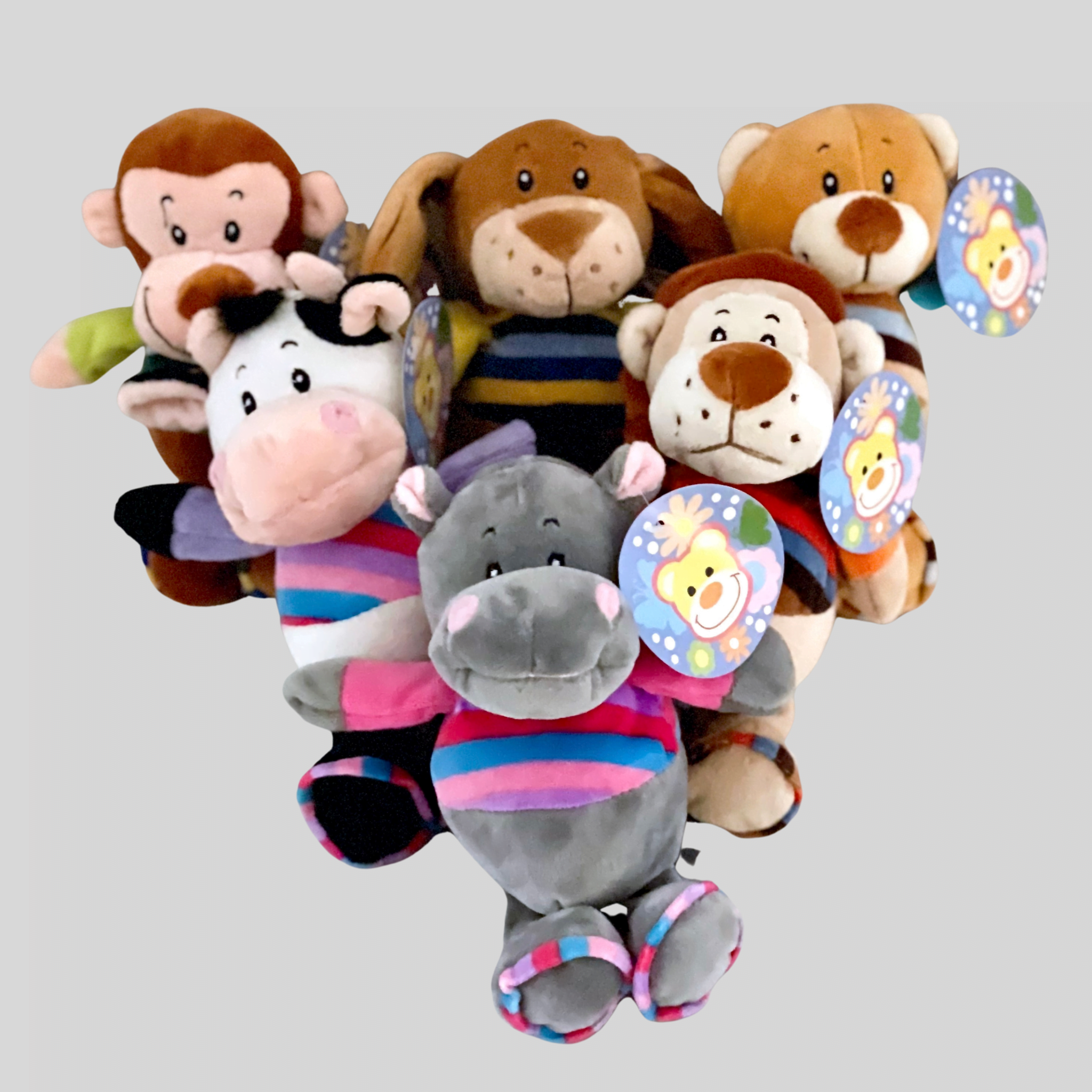
This type of soft toy often copies real animals like bears, dogs, or cats. Some are based on famous cartoon or movie characters. Kids love these because they remind them of pets or heroes. They are soft, cuddly, and easy to hold. These toys often become a child’s best friend.
Custom And Handmade
Custom soft toys are made to order. You can choose the size, color, and even add a name. Handmade toys are crafted by artists using soft fabrics. Each toy is unique and special. These toys make wonderful gifts because of their personal touch.
Interactive Soft Toys
Interactive soft toys can talk, sing, or move. They have sensors and batteries inside. Kids enjoy playing with them because they feel alive. These toys help children learn and play at the same time. They combine fun with technology in a gentle way.
Benefits Of Soft Toys
Soft toys bring many benefits beyond just being cute. They offer comfort, help with growth, and can become a fun hobby. People of all ages enjoy their presence for different reasons. These toys create a special bond that supports emotional and mental well-being.
Let’s explore the key benefits of soft toys in detail.
Emotional Comfort
Soft toys provide a sense of safety and calm. They are often a friend to hold during tough times. Children use them to feel less scared or lonely. Adults also find comfort in their softness and familiarity. These toys help reduce stress and anxiety quietly.
Developmental Support
Soft toys encourage learning and creativity in young children. They practice talking and sharing with their plush friends. These toys improve fine motor skills through handling and dressing them up. Children develop empathy by caring for their soft toys. Imaginative play grows with the help of these companions.
Collecting And Hobby
Many people collect soft toys for joy and nostalgia. Collecting can be relaxing and rewarding. Each toy has a unique story or memory attached. Hobbyists enjoy finding rare or themed plush toys. This passion connects people with similar interests worldwide.
Care And Maintenance
Soft toys bring comfort and joy. They need care to stay soft and clean. Proper care keeps them looking new. It also helps them last longer.
Cleaning and fixing soft toys is easy. A little effort goes a long way. Let’s explore how to care for these cuddly friends.
Cleaning Tips
Check the label for washing instructions. Some soft toys can go in the washing machine. Use a gentle cycle with cold water. Mild detergent works best to avoid damage.
For delicate toys, hand wash with warm water. Gently rub the surface to remove dirt. Rinse well to remove all soap. Press with a towel to dry, not wring.
Air dry soft toys. Avoid direct sunlight to prevent color fading. Fluff the toy after drying to keep its shape.
Repair And Preservation
Small tears need quick repair. Use a needle and thread to sew them. Choose thread color matching the toy’s fabric. Sew carefully to avoid making holes bigger.
Loose eyes or buttons should be reattached. Use strong glue or sew them back firmly. Keep these parts secure to avoid choking hazards for children.
Store soft toys in a clean, dry place. Avoid damp areas to prevent mold. Keep away from pets that might damage them.

Choosing The Perfect Soft Toy
Choosing the perfect soft toy takes some thought. A good soft toy brings joy and comfort. It can become a child's best friend or a cozy companion. Picking the right one means thinking about safety, age, and personal likes. This helps find a soft toy that fits well and lasts long.
Age Appropriateness
Soft toys come in different sizes and styles for every age. Babies need small, soft toys with no small parts. Toddlers enjoy bright colors and simple shapes. Older kids may like detailed and bigger toys. Choosing the right size and type keeps play safe and fun.
Safety Features
Check if the soft toy meets safety rules. Look for strong stitches and secure eyes or buttons. Avoid toys with loose parts that can choke. Soft, non-toxic materials are best for gentle skin. A safe toy gives peace of mind to parents and kids alike.
Personal Preferences
Think about what the child likes. Favorite animals or characters make soft toys special. Some kids love soft blankets attached to their toys. Others prefer a toy that makes sounds or lights up. Personal choice makes the soft toy a true friend.
Soft Toys In Popular Culture
Soft toys have a special place in many people’s hearts. They are more than just toys. Soft toys often become symbols in stories, movies, and everyday life. They bring comfort and joy to both kids and adults. Their role in popular culture shows how important they are beyond playtime.
Soft toys often appear as beloved characters. They also inspire a wide range of merchandise. This connection helps them stay popular across generations. Let's explore their impact through iconic characters and media.
Iconic Characters
Many soft toys become famous characters. Teddy bears are classic examples. Characters like Winnie the Pooh have touched millions of hearts. These toys tell stories that people remember for life. They often represent kindness, friendship, and love.
Characters like these create emotional bonds. They make soft toys more than just objects. Kids find comfort in these familiar faces. Adults feel nostalgia and warmth from these toys.
Media And Merchandise
Soft toys often appear in movies, TV shows, and books. This exposure makes them popular worldwide. Media helps introduce new soft toy characters regularly. It keeps the interest alive among fans.
Merchandise based on soft toys is very common. Plush versions of popular characters sell well. They come in many shapes and sizes. This variety allows fans to choose their favorite soft toy easily.
Soft toys in media and merchandise create lasting memories. They connect people through shared stories and experiences.
Frequently Asked Questions
What Is A Soft Toy Made Of?
Soft toys are typically made from fabric, plush, or fleece materials. They are filled with cotton, polyester, or foam to give them a soft, cuddly texture. These materials make soft toys safe and huggable for children and collectors alike.
Why Are Soft Toys Popular With Children?
Soft toys provide comfort and companionship to children. Their soft texture and friendly designs make them ideal for play and sleep. They also help develop emotional bonds and imaginative play, which is essential for child development.
How To Clean And Maintain Soft Toys?
To clean soft toys, use mild soap and warm water or a gentle machine wash. Always check the care label for specific instructions. Regular cleaning prevents dust buildup and keeps the toy safe and fresh for children.
Can Soft Toys Be Used As Decorative Items?
Yes, soft toys are often used as decorative items in bedrooms and nurseries. Their cute and colorful designs add warmth and personality to any space. They also make perfect gifts for special occasions.
Conclusion
Soft toys bring comfort and joy to people of all ages. They serve as friends, companions, and gifts. Made from soft materials, they are safe and cuddly. Many children find comfort in their soft toys during hard times. Collectors also treasure them for their beauty and history.
Overall, soft toys hold a special place in many hearts and homes. They remind us of warmth, care, and simple happiness. A soft toy is more than just a toy. It is a source of smiles and memories.