When you bring your newborn home, you want to give them the best start. But what toys do newborns really need?
Choosing the right toys can help your baby grow, learn, and feel comforted. You might feel overwhelmed by all the options out there. Don’t worry—this guide will help you pick toys that are safe, simple, and perfect for your little one’s first months.
Keep reading to discover how the right toys can support your baby’s development and make those early days even more special.
Benefits Of Toys For Newborns
Toys play a key role in a newborn's early development. They help babies learn about the world around them. Toys also make learning fun and interesting. Choosing the right toys can support growth in many ways.
Stimulating Senses
Toys with bright colors attract a baby’s eyes. Soft textures invite babies to touch and feel. Sounds from rattles or crinkly toys catch their attention. These activities help develop sight, touch, and hearing. Senses become sharper with regular play and exploration.
Encouraging Motor Skills
Toys help babies practice moving their hands and fingers. Grasping small toys improves hand strength and coordination. Reaching for toys encourages arm movement. Kicking or batting toys helps leg muscles grow. These simple actions build important motor skills.
Fostering Emotional Growth
Toys provide comfort and a sense of security. Soft dolls or blankets can soothe a baby. Playing with toys builds focus and patience. It also sparks curiosity and joy. These feelings support a baby’s emotional development early on.

Safe Toy Materials
Choosing safe toy materials is very important for newborns. Babies explore the world by touching and mouthing objects. Toys made from safe materials protect them from harmful chemicals and injuries. Parents must pick toys that are gentle, clean, and free from toxins. This helps keep babies healthy while they play and learn.
Non-toxic Components
Toys for newborns should have non-toxic parts. Paints and plastics must not contain lead or phthalates. These chemicals can harm babies if swallowed or sucked. Look for labels that say “BPA-free” and “non-toxic.” These toys are safer for babies to explore with their mouths.
Soft And Lightweight Options
Soft toys reduce the risk of injury during play. Lightweight toys are easy for babies to hold and move. Materials like cotton, felt, and soft silicone work well. Avoid hard or sharp edges that can hurt delicate skin. Soft toys also comfort babies and encourage gentle play.
Easy-to-clean Surfaces
Newborn toys must be easy to clean. Babies often put toys in their mouths. Toys with smooth, wipeable surfaces prevent germs from building up. Materials like silicone and certain plastics clean quickly with soap and water. Clean toys help keep babies healthy and reduce infections.
Top Toy Types For Newborns
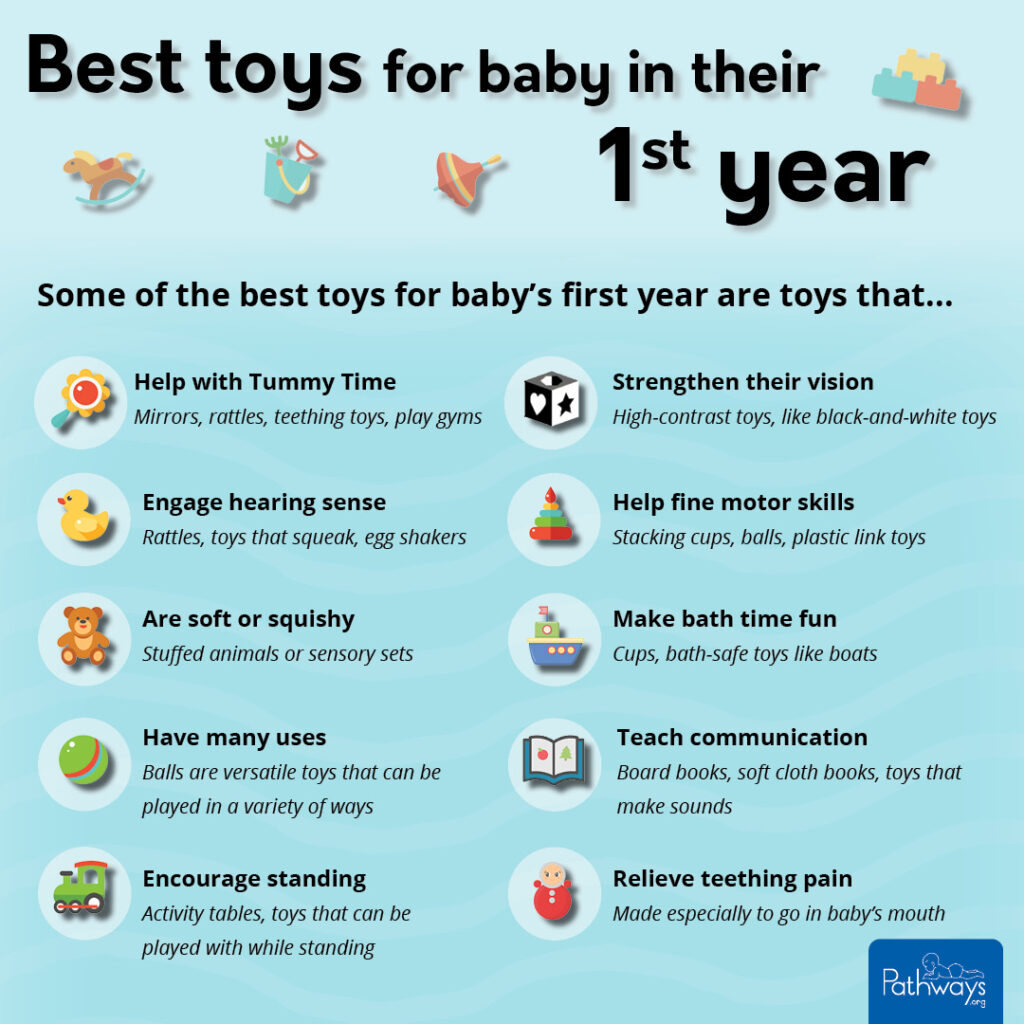
Choosing toys for newborns can feel overwhelming. The right toys support early growth and keep babies interested. Toys that are safe, simple, and stimulating work best. Focus on items that encourage senses and movement.
Soft Plush Toys
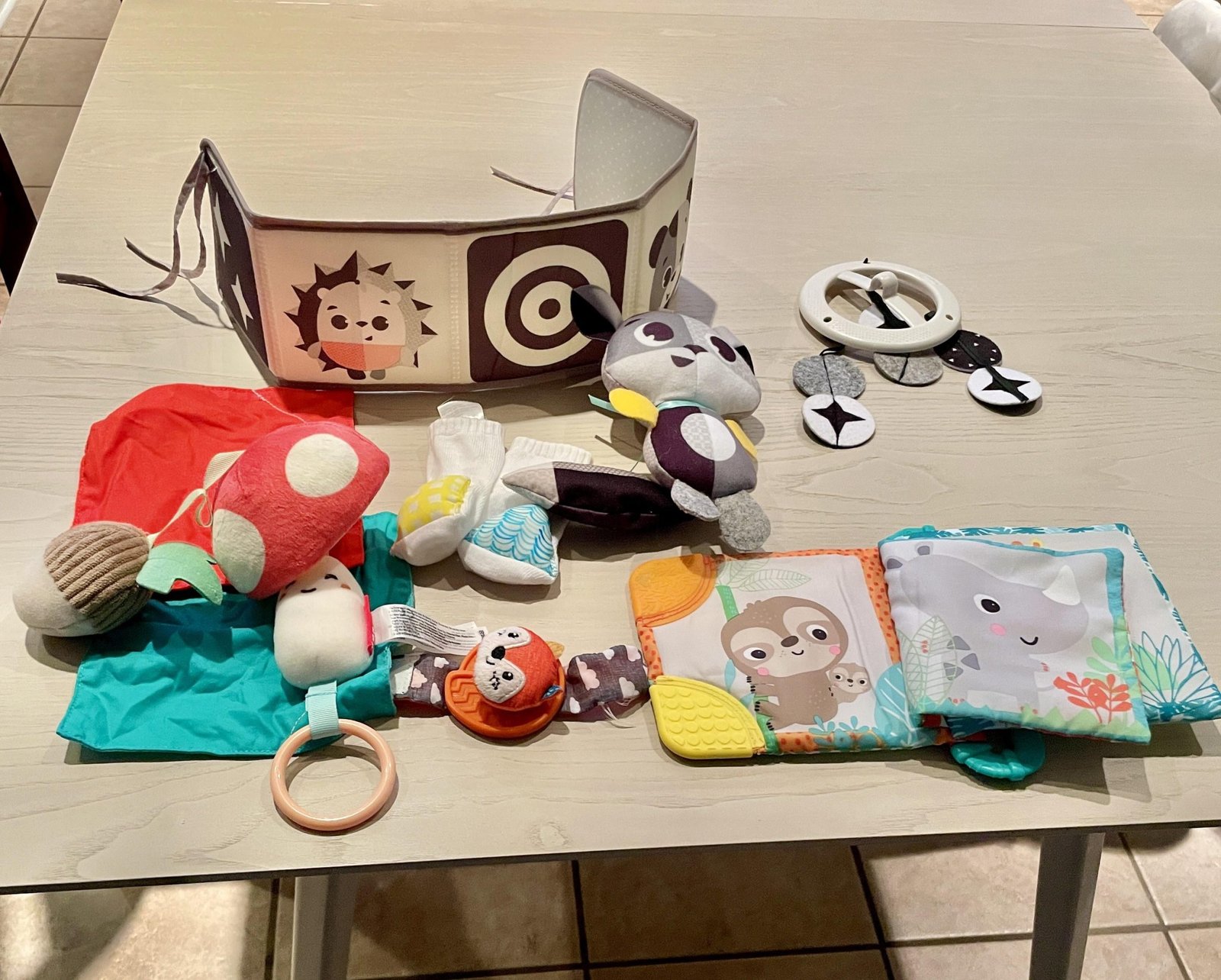
Soft plush toys offer comfort and security. Babies enjoy holding and cuddling these gentle toys. Plush toys made with safe materials suit newborns well. They also help babies explore touch and texture. Choose ones without small parts for safety.
High-contrast Visuals
Newborns see best with bold, clear patterns. High-contrast toys use black, white, and bright colors. These visuals help develop a baby’s sight and focus. Books and cards with simple shapes are ideal. They stimulate brain growth and curiosity.
Rattles And Teethers
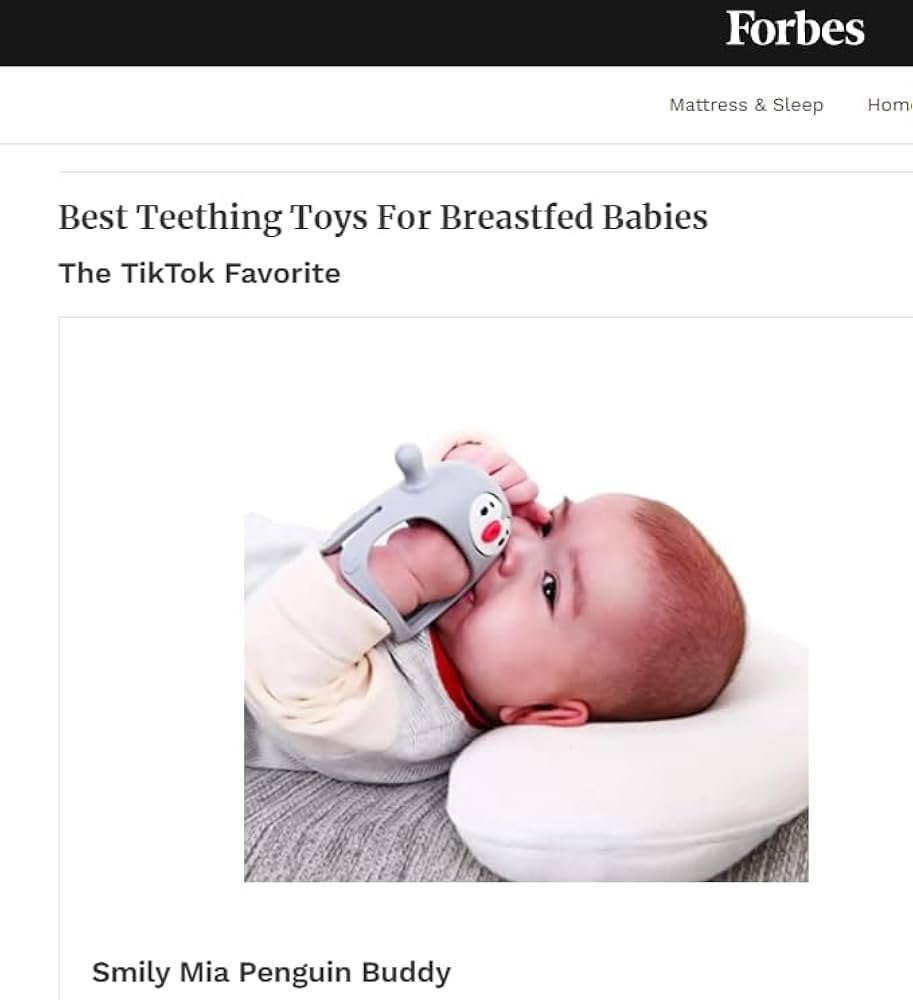
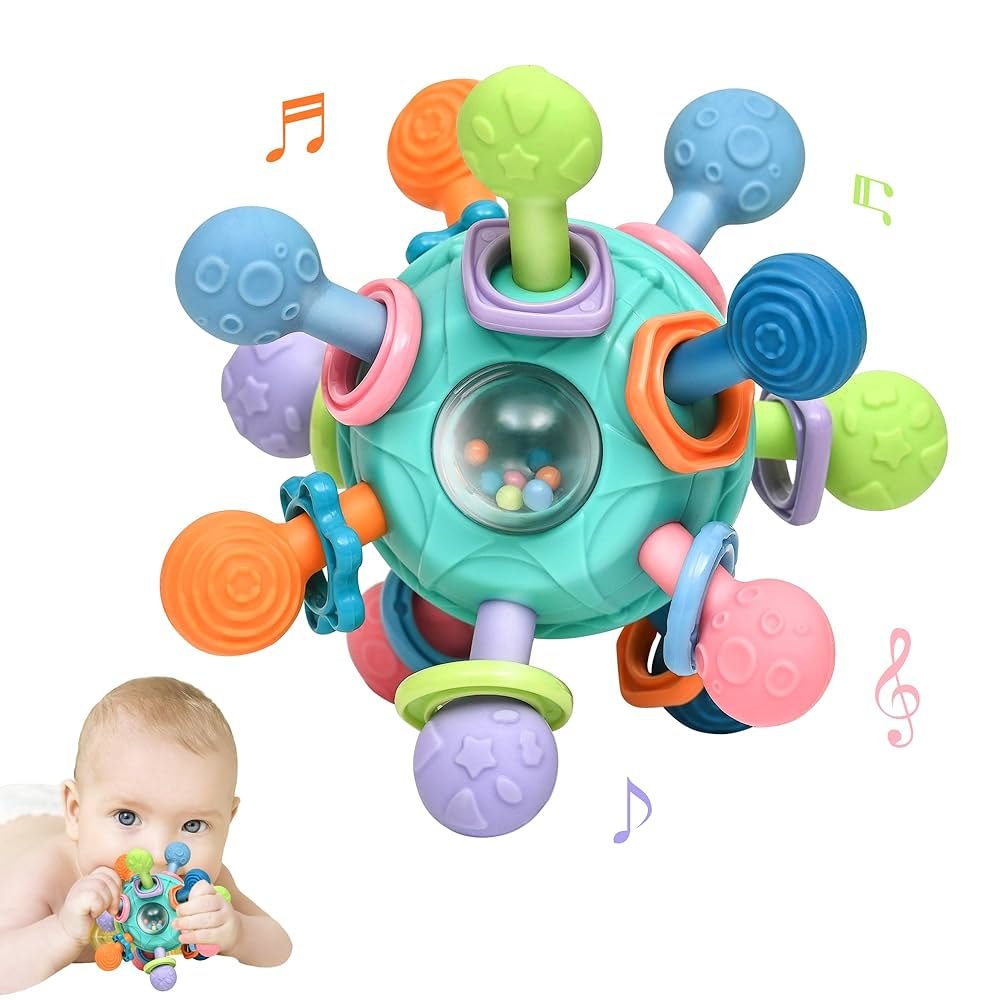
Rattles create sounds that attract baby attention. Shaking a rattle strengthens hand muscles and coordination. Teethers soothe sore gums during early teething. Choose rattles and teethers made from safe, non-toxic materials. These toys support sensory and motor skills.
Activity Gyms And Play Mats
Activity gyms keep babies active and entertained. Mats provide a safe space for tummy time and play. Toys hanging above encourage reaching and grasping. Play mats often include mirrors and textures for exploration. These setups promote physical and sensory development.
Choosing Age-appropriate Toys
Choosing age-appropriate toys for newborns helps support their growth. Toys should match their current skills. This keeps babies interested and encourages learning. Picking the right toys helps babies explore and feel safe.
Developmental Stages In The First Months
Newborns learn step by step. At first, they focus on faces and lights. Later, they reach out and grab objects. Their vision improves, and they notice colors. Each month brings new skills and needs. Toys that fit these stages help development.
Matching Toys To Abilities
Choose toys that fit your baby’s skill level. Soft rattles are good for early months. Toys with high-contrast colors catch their eye. As babies grow, add toys they can hold and shake. Simple textures and sounds keep babies curious and happy.
Tips For Engaging Playtime
Playtime is essential for newborns. It helps their brain grow and senses develop. Simple toys can make playtime fun and educational. Parents should focus on safe and engaging activities.
Creating the right environment and choosing the right toys can make a big difference. Here are some tips to help you make playtime enjoyable and safe for your baby.
Safe Play Environment
Choose a clean and soft area for play. Use a padded mat or blanket on the floor. Remove small objects that can cause choking. Keep sharp or hard toys out of reach. Always supervise your baby during playtime.
Interactive Play Ideas
Talk or sing to your baby during play. Use toys that make sounds or have bright colors. Gently move toys to catch their attention. Play peek-a-boo with soft cloths or hands. These actions help babies learn and feel safe.
Rotating Toys For Interest
Change toys every few days to keep interest high. Use different textures like soft, smooth, and bumpy. Introduce toys with mirrors or rattles. Rotating toys helps babies explore new things. It stops boredom and keeps playtime fresh.

Frequently Asked Questions
What Are The Safest Toys For Newborns?
Safe toys for newborns are soft, non-toxic, and free from small parts. Look for plush toys, teething rings, and rattles made from BPA-free materials. These toys promote sensory development and ensure safety during playtime.
How Do Toys Benefit A Newborn's Development?
Toys stimulate newborns' senses and encourage motor skills. Soft toys and rattles help improve hand-eye coordination. Bright colors and textures promote visual and tactile development, aiding cognitive growth in early months.
When Should I Introduce Toys To My Newborn?
You can introduce toys as early as one month old. Simple, high-contrast toys like black-and-white mobiles capture attention. Early play supports sensory exploration and bonding with caregivers, fostering healthy brain development.
What Types Of Toys Encourage Sensory Development?
Toys with varied textures, sounds, and colors boost sensory skills. Soft rattles, crinkly books, and teething toys engage touch, hearing, and sight. Sensory toys help newborns explore their environment safely and confidently.
Conclusion
Choosing the right toys helps newborns learn and grow. Soft, colorful toys catch their attention well. Toys that make gentle sounds also soothe babies. Simple shapes and textures teach babies about the world. Safe and age-appropriate toys keep them happy and secure.
Remember, less is often more for newborn playtime. Enjoy watching your baby discover new things each day. The right toys support early development and bonding. Keep playtime fun, safe, and full of love.