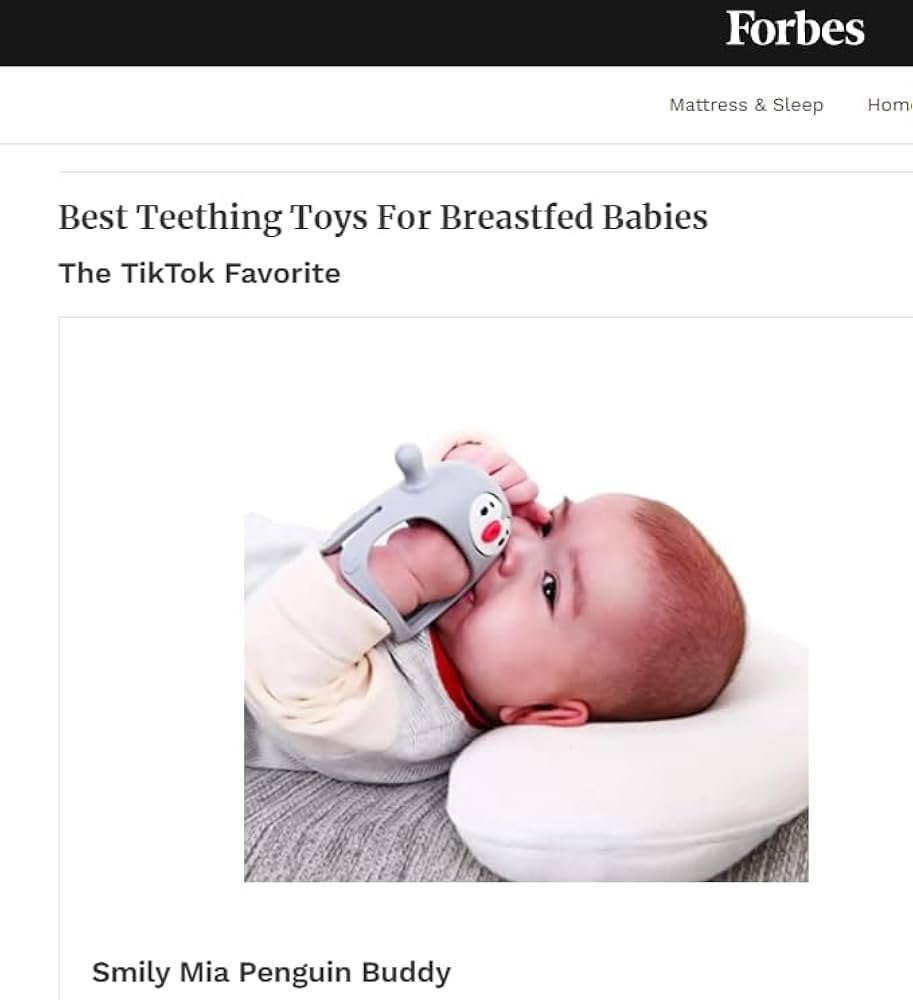
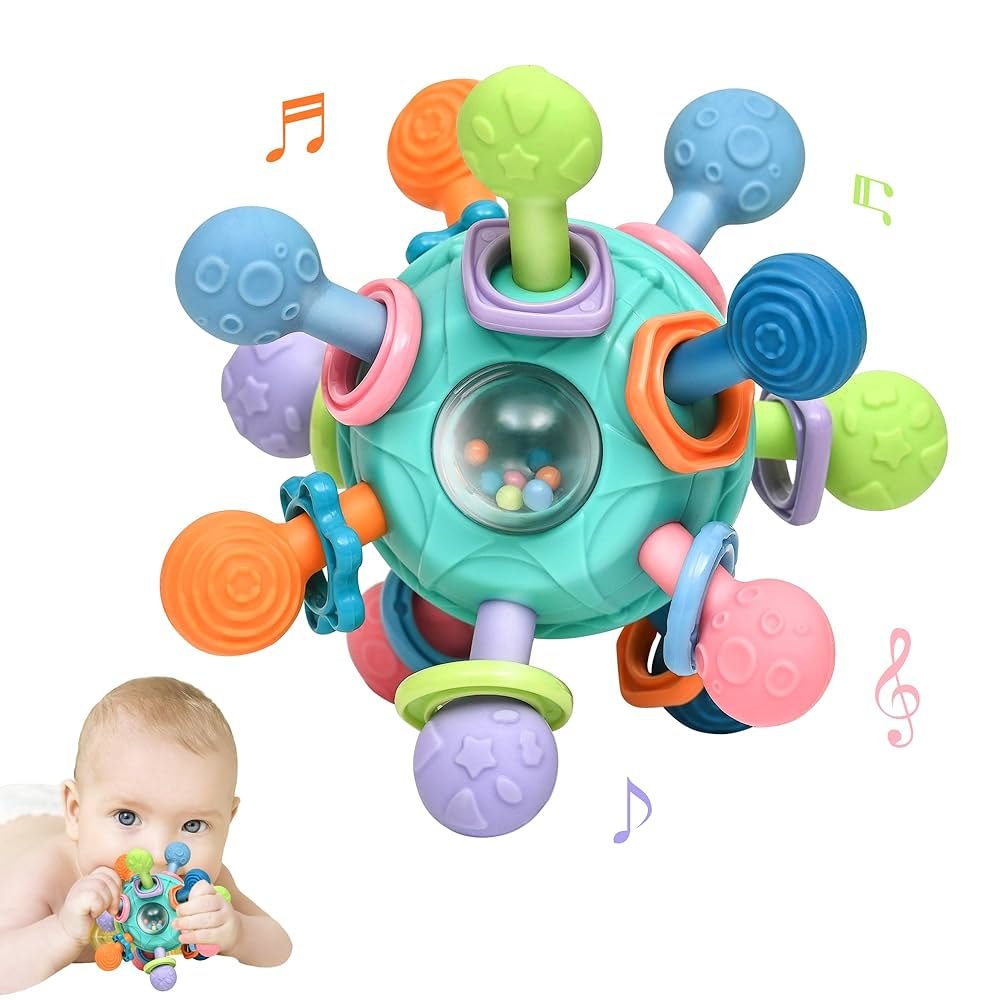
Teething can be tough—not just for your baby, but for you too. You want to help ease their discomfort as soon as possible, but when is the right time to buy a teething toy?
Choosing the perfect moment can make all the difference in soothing those sore gums quickly and effectively. You’ll discover the signs to watch for and how to pick the best teething toy to keep your little one calm and happy.
Keep reading to find out exactly when you should buy a teething toy and why timing matters more than you might think.

Signs Baby Needs A Teething Toy
Babies start teething at different ages. You can tell by certain signs when they need a teething toy. These toys help ease their discomfort.
Watching your baby closely will help you spot these signs early. This lets you provide comfort and relief quickly.
Common Teething Symptoms
Teething brings several physical signs. Some are easy to notice, while others may seem mild.
- Red, swollen gums
- Drooling more than usual
- Chewing on fingers or objects
- Irritability and fussiness
- Mild changes in eating or sleeping
Behavioral Changes To Watch
Teething can affect your baby's mood and behavior. Look for changes that show discomfort or pain.
| Behavior | What it Means |
|---|---|
| Increased crying | Baby feels pain or discomfort |
| Restlessness | Difficulty sleeping or napping |
| Refusal to eat | Gums may be sore during feeding |
| Clinginess | Seeking extra comfort and attention |
| Chewing on objects | Trying to relieve gum pain |

Best Age To Introduce Teething Toys
Teething toys help soothe babies when their teeth start to come in. Knowing the right time to give these toys helps your child feel better.
Parents often ask when to start using teething toys. This guide explains the best age to introduce them.
Typical Teething Timelines
Most babies begin teething around six months old. Some start as early as three months, and some wait until twelve months.
Teething usually lasts until age three. The first teeth to appear are the lower front teeth, followed by upper front teeth.
- 3 to 6 months: Early signs of teething
- 6 to 12 months: Most babies get first teeth
- 12 to 36 months: Remaining baby teeth appear
Early Vs. Late Introduction
Introducing teething toys early helps babies get used to them. Early use may also reduce discomfort at the start of teething.
Late introduction is fine if your baby shows no interest or discomfort. Wait until you see signs like drooling or chewing on fingers.
- Early introduction: Around 3-4 months if baby shows teething signs
- Late introduction: Around 6-7 months or when teeth start to appear
- Watch your baby’s cues to decide the right time
Types Of Teething Toys
Teething toys help soothe babies' sore gums. Choosing the right type can make a big difference.
There are many kinds of teething toys. Each type offers unique benefits for babies and parents.
Silicone And Rubber Options
Silicone and rubber teething toys are soft and flexible. They are easy for babies to hold and chew.
These toys are usually safe and simple to clean. They come in many shapes and bright colors.
Natural And Organic Choices
Natural teething toys use materials like wood or organic cotton. They are free from harmful chemicals.
Parents who want eco-friendly options often pick these toys. They feel more natural and sturdy.
- Wooden rings or shapes
- Organic cotton stuffed toys
- Natural beeswax coatings
Cooling And Freezable Toys
Cooling toys help reduce gum pain by cold therapy. They can be chilled in the fridge or freezer.
These toys feel soothing and numb the gums. Make sure they are safe and do not get too hard.
- Gel-filled silicone rings
- Water-filled plastic shapes
- Soft freezable rubber toys

Safety Tips For Choosing Teething Toys
Choosing the right teething toy is important for your baby's safety. The right toy helps soothe their gums without causing harm.
Keep safety in mind when picking teething toys to avoid risks like choking or exposure to toxins.
Non-toxic Materials
Teething toys should be made from safe, non-toxic materials. Babies put these toys in their mouths often.
Look for toys made of natural rubber, food-grade silicone, or untreated wood. Avoid toys with harmful chemicals like BPA or phthalates.
- Choose BPA-free and phthalate-free toys
- Check for labels that say "non-toxic"
- Avoid toys with paint or dyes that can peel off
Choking Hazards To Avoid
Small parts can break off and cause choking. Avoid teething toys that are too small or have loose pieces.
Make sure the toy is large enough so your baby cannot swallow it. Check for strong seams and no detachable parts.
- Do not buy toys with small beads or buttons
- Inspect toys regularly for cracks or breaks
- Choose one solid piece with no openings
Cleaning And Maintenance
Clean teething toys often to keep them free from germs. Babies put these toys in their mouths many times a day.
Follow the cleaning instructions on the toy. Some can be boiled or washed in the dishwasher.
- Wash toys with warm, soapy water regularly
- Use a clean cloth to dry the toys after washing
- Replace toys that are worn or damaged
Benefits Of Using Teething Toys
Teething toys help babies during the uncomfortable teething phase. They provide relief and support healthy growth.
Parents often seek safe and effective ways to soothe their baby's sore gums. Teething toys are a popular choice for this purpose.
Soothing Gum Pain
Teething toys offer gentle pressure on swollen gums. This pressure helps reduce pain and discomfort for babies.
- Chewing on toys massages the gums
- Cold teething toys numb the pain
- Safe textures distract from soreness
- Reduces fussiness and crying
Promoting Oral Development
Teething toys support healthy growth of teeth and jaws. Babies learn to bite and chew with these toys.
| Benefit | Details |
| Jaw Strength | Chewing builds muscle strength |
| Tooth Alignment | Encourages proper teeth positioning |
| Oral Coordination | Helps with bite control and chewing |
Encouraging Motor Skills
Using teething toys helps babies develop hand-eye coordination and fine motor skills. Grasping and moving the toys builds muscle control.
Key motor skill benefits include:
- Strengthening finger muscles
- Improving hand coordination
- Enhancing grasp and release actions
- Encouraging exploration and learning
When To Replace Teething Toys
Teething toys play a crucial role in soothing and comforting your baby during teething. However, like any other toy, they have a lifespan and need to be replaced at some point. But how do you know when it's time to say goodbye to your baby's favorite teething toy?
Signs Of Wear And Tear
- Soft and Spongy Texture:If the teething toy has become soft and spongy, it's likely that the material has broken down and is no longer safe for your baby to chew on.
- Cracks and Cuts:If the teething toy has developed cracks or cuts, it's a sign that it's time to replace it. Your baby's saliva and bacteria can accumulate in these cracks, causing infections.
- Discoloration and Odor:If the teething toy has become discolored or has a strong odor, it's a sign that it's been contaminated with bacteria and is no longer safe for use.
- Loose Parts:If the teething toy has loose parts that can be easily detached, it's a sign that it's time to replace it. Your baby can choke on these loose parts or swallow them, causing harm.
Hygiene Considerations
| Signs of Wear and Tear | Replacement Frequency |
|---|---|
| Soft and Spongy Texture | Every 1-2 months |
| Cracks and Cuts | Immediately |
| Discoloration and Odor | Every 1-2 months |
| Loose Parts | Immediately |
Remember, it's always better to err on the side of caution when it comes to your baby's teething toys. If you're unsure whether a toy is still safe to use, it's best to replace it with a new one.
Frequently Asked Questions
When Is The Right Time To Buy A Teething Toy?
Buy a teething toy when your baby starts showing teething signs. This usually begins around 3 to 6 months of age. Early purchase helps soothe discomfort and supports healthy tooth development.
How Do Teething Toys Help Babies?
Teething toys provide relief by massaging sore gums. They distract babies and reduce irritability. Safe toys also promote sensory development and encourage healthy chewing habits.
What Materials Are Best For Teething Toys?
Choose teething toys made from BPA-free silicone, natural rubber, or wood. These materials are safe, non-toxic, and gentle on gums. Avoid toys with small parts or harmful chemicals.
Can I Buy A Teething Toy Before Symptoms Appear?
Yes, buying a teething toy before symptoms appear is helpful. It prepares you and your baby for teething discomfort. Early availability ensures immediate relief when needed.
Conclusion
Teething toys help soothe babies’ sore gums early. Buy them before teeth start to appear. This way, babies get comfort when needed most. Choose safe, soft toys made for teething. Watch your baby’s cues for signs of discomfort. Keep toys clean to avoid germs.
Early preparation makes teething easier for both. Trust your instincts and stay patient. Every baby’s teething time is unique. Ready, steady, comfort your little one soon.