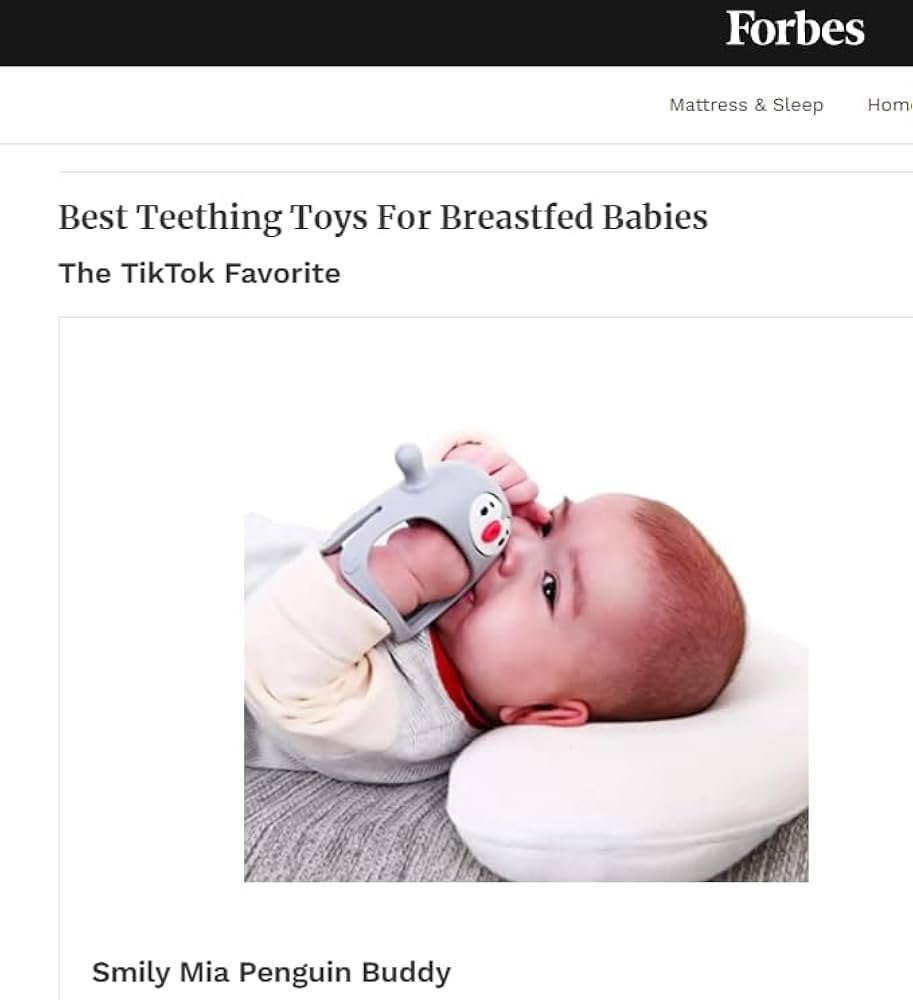
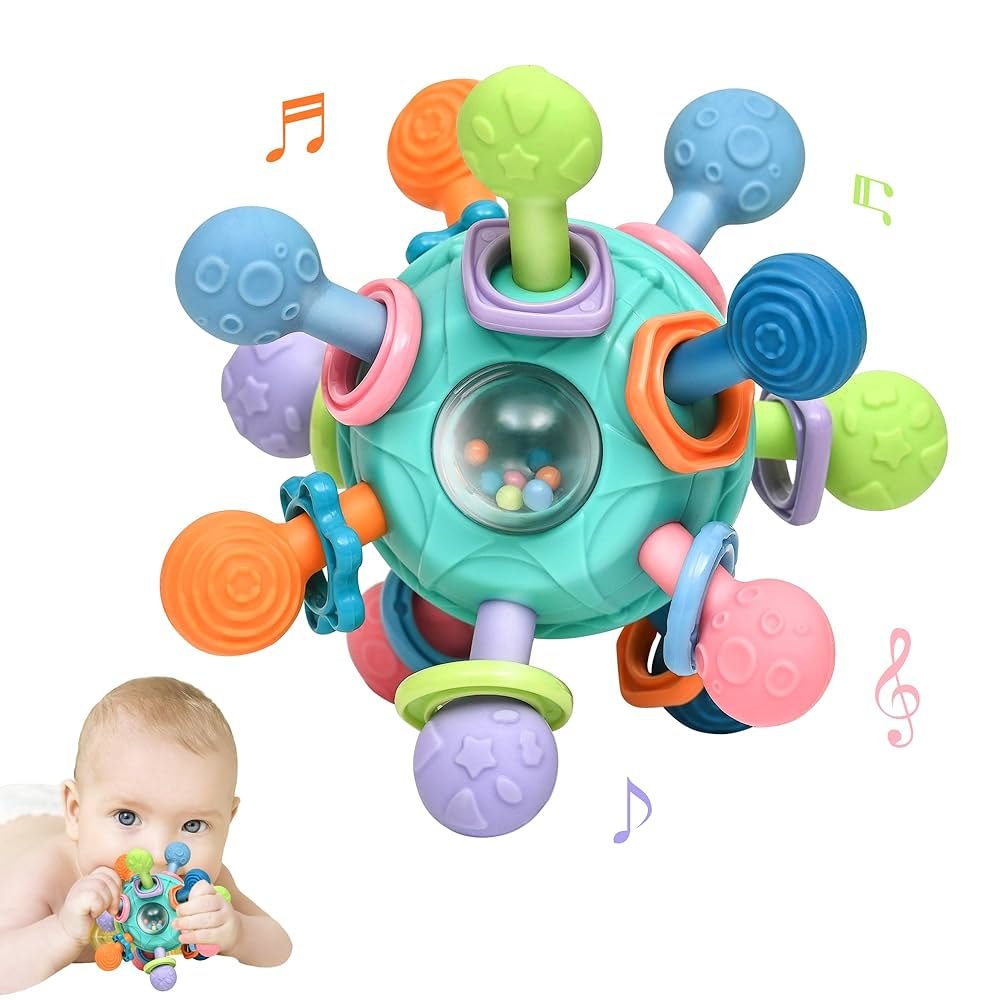
Teething can be a tough time for both you and your baby. You want to help your little one find relief, but you may wonder when is the right moment to introduce a teething toy.
Giving your infant a teething toy too early or too late might not bring the comfort you’re hoping for. You’ll discover the signs to watch for and the best time to offer a teething toy. Keep reading to learn how to ease your baby’s discomfort and make this stage easier for both of you.
Signs Your Baby Needs Teething Relief
Teething can be a tough time for infants and parents. Babies often show signs that they need comfort and relief from teething pain.
Giving a teething toy at the right time can soothe your baby’s gums. Watch for clear signs to know when to offer one.
Common Teething Symptoms
Babies usually start teething around six months old. You might notice some common symptoms as teeth begin to push through the gums.
These symptoms can help you decide when to give a teething toy for relief.
- Swollen, red gums
- Drooling more than usual
- Chewing on objects often
- Irritability and fussiness
- Sometimes mild fever
- Changes in sleep patterns
Behavioral Changes To Watch For
Teething can cause changes in your baby’s behavior. These signs show your baby needs comfort and pain relief.
Noticing these behaviors early can help you provide a teething toy at the right moment.
- Increased crying and fussiness
- Refusing to eat or drink
- Rubbing or pulling at ears
- Clinginess and wanting more attention
- Difficulty sleeping or waking often

Ideal Age To Introduce Teething Toys
Teething toys help soothe an infant’s sore gums. Knowing the right age to start using them is important. This guide explains when to give your baby teething toys.
Every baby’s teething journey is different. It helps to understand the usual timeline and variations in when teething begins.
Typical Teething Timeline
Most babies start teething between four and seven months old. The first teeth to appear are usually the lower front teeth. Teething continues until about age two or three, when all baby teeth have grown in.
- 4 to 7 months: First teeth start to emerge
- 6 to 10 months: Upper front teeth come in
- 9 to 13 months: Molars begin to appear
- 12 to 18 months: Canines grow in
- 18 to 30 months: Second molars appear
Variations In Teething Onset
Some babies may start teething earlier or later than the average timeline. Factors like genetics and overall health affect this timing. Watch your baby for signs of teething rather than relying on age alone.
| Age Range | Teething Status | What to Expect |
| Before 4 months | Early teething | Uncommon but possible, watch for drooling and fussiness |
| 4 to 7 months | Typical start | First teeth emerge, teething toys can help |
| After 7 months | Late teether | May begin teething later, keep offering comfort |
| After 12 months | Very late teether | Consult a pediatrician if no teeth appear |
Choosing Safe Teething Toys
Giving an infant a teething toy helps soothe sore gums. Choosing safe toys is very important for your baby’s health.
Teething toys come in many materials and shapes. You should pick ones that are safe and easy to clean.
Material Safety
Materials must be free from harmful chemicals. Always check if toys are BPA-free and non-toxic.
- Choose toys made of food-grade silicone or natural rubber
- Avoid toys with small parts that can break off
- Do not use toys with paint or dyes that can peel
- Look for products that are easy to clean and sterilize
Size And Shape Considerations
Teething toys should be large enough to prevent choking. The shape should fit comfortably in your baby’s mouth.
| Feature | What to Look For | What to Avoid |
| Size | Toys larger than baby’s mouth opening | Small toys that fit entirely in mouth |
| Shape | Rounded edges and easy to hold | Sharp edges or small detachable parts |
| Texture | Soft but firm surfaces to massage gums | Hard or rough materials that may hurt gums |
Benefits Of Using Teething Toys
Teething toys are helpful for infants experiencing gum discomfort. They provide relief and support oral health.
These toys are designed to be safe and effective for young children. They are a valuable tool for parents.
Soothing Gum Pain
Teething can be uncomfortable for babies. Teething toys help ease this pain by gently massaging the gums.
- Reduces discomfort during teething
- Encourages chewing, which soothes gums
- Safe materials ensure no harm to infants
Promoting Oral Development
Teething toys also play a role in oral development. They help babies learn how to use their mouths.
| Benefit | Description |
| Jaw Strength | Improves by chewing on toys |
| Hand-Eye Coordination | Develops as babies grasp toys |
| Exploration | Encourages using the mouth for learning |
When To Avoid Teething Toys
Teething toys can help soothe infants during teething discomfort. But there are times you should not give them a teething toy.
Knowing when to avoid these toys keeps your baby safe and healthy. Watch for certain signs and risks before offering a teething toy.
Signs Of Allergic Reactions
Some babies may react to the materials in teething toys. Watch for allergic reactions to avoid harm.
- Redness or rash around the mouth or lips
- Swelling in the face, tongue, or throat
- Itching or hives on the skin
- Excessive fussiness or crying after using the toy
- Difficulty breathing or wheezing
If you see any of these signs, stop using the toy immediately. Consult a doctor for advice.
Potential Choking Hazards
Teething toys can be unsafe if they break or have small parts. Infants can choke on these pieces.
| Risk Factor | What to Check | Action |
| Small parts | Are any pieces detachable or loose? | Do not give the toy to your baby. |
| Damaged toy | Are there cracks, tears, or broken parts? | Replace the toy immediately. |
| Size | Is the toy small enough to fit fully in the baby's mouth? | Choose larger toys that cannot be swallowed. |

Tips For Cleaning And Maintaining Teething Toys
Teething toys help soothe infants during their teething phase. Keeping these toys clean is important for your baby’s health.
Regular cleaning and proper storage stop germs from growing on the toys. This guide covers easy ways to clean and store teething toys.
Recommended Cleaning Methods
Cleaning teething toys often prevents harmful bacteria and dirt buildup. Different materials need different cleaning steps.
- Wash toys with warm soapy water after each use.
- Use a soft brush to clean hard-to-reach areas.
- Rinse thoroughly to remove all soap residue.
- Boil silicone or rubber toys for 3 to 5 minutes for deep cleaning.
- Check manufacturer instructions before using a dishwasher.
- Allow toys to air dry completely before use.
Storage Practices
Storing teething toys properly keeps them clean and safe. Avoid places that are damp or dirty.
| Storage Tip | Why It Matters |
| Use a clean container with a lid | Keeps toys free from dust and germs |
| Store toys in a dry place | Prevents mold and mildew growth |
| Do not share toys between babies | Reduces risk of spreading infections |
| Check toys regularly for damage | Broken toys can be a choking hazard |

Frequently Asked Questions
When Is The Right Time To Introduce A Teething Toy?
Introduce a teething toy when your infant shows early signs of teething. These include drooling, gum swelling, and chewing on objects. Typically, this happens around 3 to 6 months. Using a teething toy helps soothe gum pain and keeps your baby comfortable during this phase.
How Do Teething Toys Help Infants?
Teething toys provide relief by massaging sore gums and reducing discomfort. They also distract infants from biting hard objects. Many toys are designed to be chilled for extra soothing. This promotes healthy oral development and helps babies cope with the teething process effectively.
Are Teething Toys Safe For All Infants?
Yes, teething toys are safe when made from non-toxic materials and properly cleaned. Always choose BPA-free, phthalate-free, and FDA-approved toys. Avoid toys with small parts to prevent choking hazards. Supervise your infant during use to ensure safety and hygiene at all times.
Can Teething Toys Prevent Teething Pain Completely?
Teething toys can reduce but not completely prevent teething pain. They help soothe gums and distract infants from discomfort. However, some babies may still experience irritability and mild pain. Combining teething toys with gentle care and comfort provides the best relief.
Conclusion
Teething toys help soothe babies’ sore gums during teething. Offer a toy when your infant shows signs of discomfort. Choose safe, soft, and easy-to-hold toys for your baby. Always clean the toy before giving it to your child. Watch your infant closely to avoid choking hazards.
Remember, every baby is different and starts teething at their own time. Using a teething toy can make this stage easier for both of you. Trust your instincts and keep your baby comfortable and happy.