If your baby is struggling to sleep because of teething discomfort, you’re probably wondering if a teething toy can help during bedtime. You want your little one to rest peacefully, but you also worry about safety and what’s best for their delicate gums.
Can a teething toy soothe your baby enough to fall asleep, or could it cause more trouble? Keep reading to find out how to use teething toys safely and effectively, so you and your baby can both enjoy a good night’s sleep.
Benefits Of Teething Toys
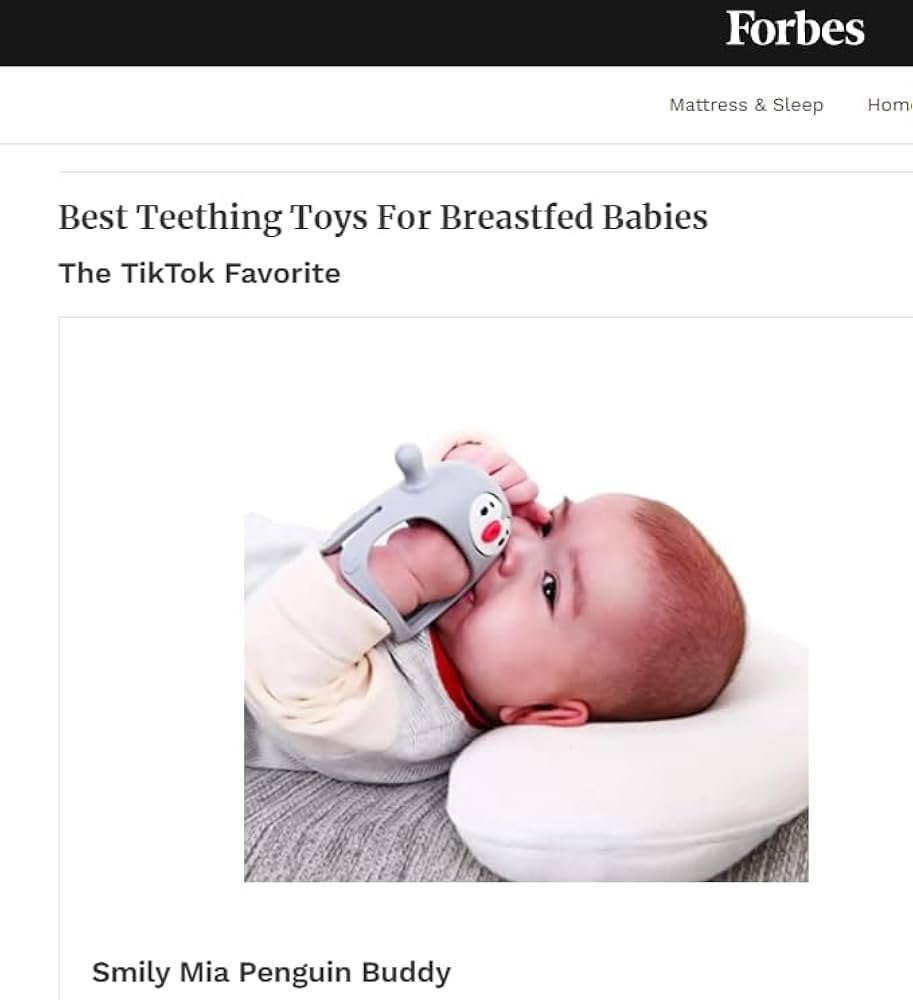
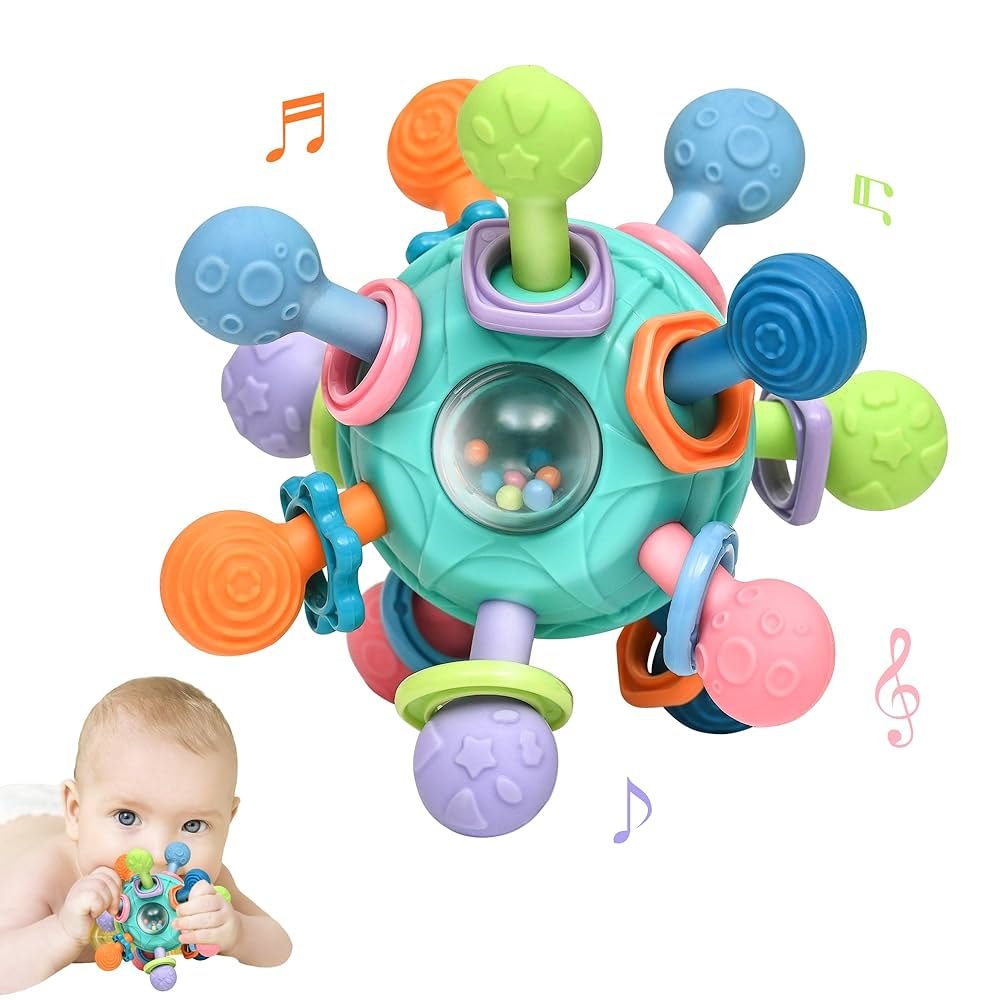
Teething toys help babies during the uncomfortable teething stage. They provide relief and support healthy development.
These toys are safe for babies to chew. They help babies feel calm and encourage good habits for their mouth.
Soothing Gum Pain
Chewing on teething toys reduces gum pain. The pressure helps ease soreness and swelling in the gums.
Many teething toys are soft and cool. This makes them comforting for babies to bite and chew on.
- Relieves discomfort from new teeth
- Reduces crying and fussiness
- Encourages babies to chew safely
Encouraging Oral Development
Teething toys help babies learn how to use their mouths. Chewing builds strong jaw muscles and coordination.
These toys also promote healthy teeth growth. They prepare the mouth for eating and speaking skills later.
- Strengthens jaw and mouth muscles
- Supports early speech development
- Teaches safe chewing habits

Safety Concerns With Teething Toys
Teething toys help soothe babies during tough teething stages. Parents often wonder if babies can safely sleep with these toys. Safety is the top priority when deciding.
Understanding the risks linked to teething toys is important. This guide covers key safety concerns to keep your baby safe.
Choking Hazards
Small parts or broken pieces of teething toys can cause choking. Babies put everything in their mouths, so toys must be safe.
- Choose toys that are large enough to avoid swallowing.
- Check for loose parts or pieces that can break off.
- Avoid toys with small buttons, beads, or decorations.
- Inspect toys regularly for damage or wear.
Material Safety
Materials must be non-toxic and safe for babies. Some plastics and paints contain harmful chemicals.
| Material Type | Safety Features |
| Silicone | BPA-free, soft, and durable |
| Natural Rubber | Non-toxic and eco-friendly |
| Wood | Untreated or finished with safe oils |
| Plastic | Must be BPA and phthalate-free |
Cleanliness And Hygiene
Teething toys can gather germs and bacteria. Keeping them clean helps prevent illness.
Tips to maintain hygiene:
- Wash toys with warm, soapy water daily.
- Use sterilizers or boiling water if material allows.
- Dry toys completely before giving them back to baby.
- Replace toys that are worn or damaged.
Choosing The Right Teething Toy
Teething toys help soothe babies when their teeth start to come in. Picking the right toy can make a big difference in comfort and safety.
Parents should look for toys that fit their baby's age, are made from safe materials, and are easy to clean.
Age-appropriate Options
Choose teething toys based on your baby's age and development stage. This ensures the toy is safe and effective.
- For newborns, soft silicone toys are gentle on gums.
- Babies 3 to 6 months old can use toys with different textures.
- Older babies may enjoy toys with handles for easy gripping.
Non-toxic Materials
Safe materials prevent harm if your baby chews or sucks on the toy. Look for non-toxic, BPA-free options.
| Material | Safety Feature |
| Silicone | Non-toxic, soft, and flexible |
| Natural Rubber | Free from chemicals and safe to chew |
| Wood | Untreated and smooth, no harmful finishes |
Easy To Clean Designs
Teething toys should be simple to clean to keep germs away. Toys with fewer parts reduce dirt buildup.
Tips for easy cleaning:
- Choose toys that are dishwasher safe.
- Avoid toys with small crevices or fabric parts.
- Look for waterproof or washable materials.
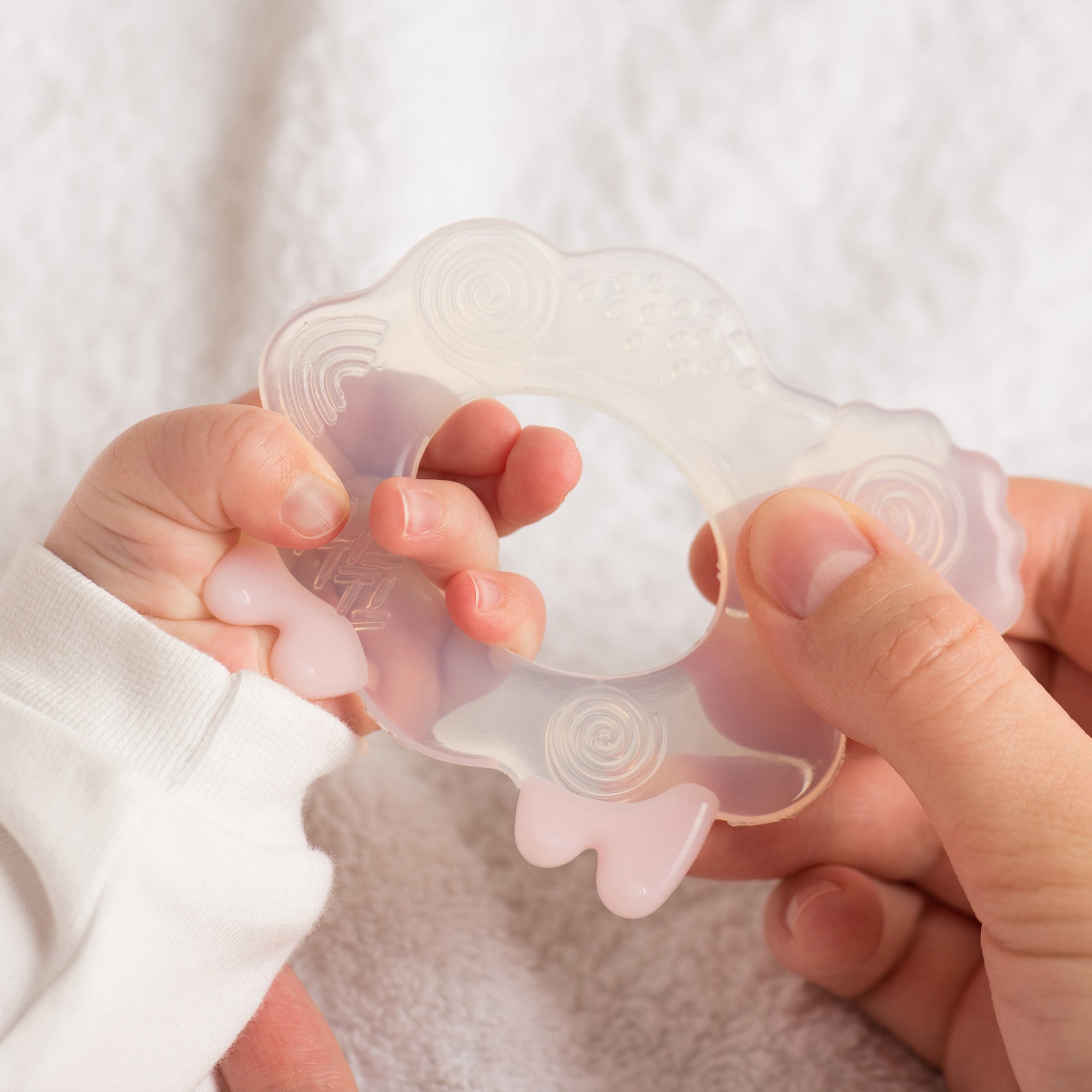
Safe Sleep Practices With Teething Toys
Teething toys can soothe babies during their discomfort. Parents often wonder if babies can sleep with these toys safely.
It is important to follow safe sleep rules to keep babies comfortable and secure while using teething toys.
Supervised Use Before Sleep
Babies can use teething toys under close watch before bedtime. This helps them calm down and feel comforted.
Parents should remove the toy before placing the baby to sleep. This reduces the risk of choking or suffocation.
Avoiding Loose Toys In Crib
Loose toys in the crib can be dangerous. They may block the baby's airways or cause overheating.
- Do not leave teething toys in the crib overnight.
- Keep the crib free of soft objects and loose bedding.
- Use only safe, approved sleep products in the crib.
- Check toys regularly for damage or loose parts.
Alternatives For Night Comfort
There are safer ways to soothe babies at night without loose toys. These options help babies sleep well and stay safe.
| Alternative | Description |
| Teething Mittens | Wearable and soft, reduce choking risk |
| Cold Washcloth | Chilled cloth to soothe gums safely |
| Pacifiers | Designed for safe sucking and comfort |
| Parent's Gentle Touch | Soothing pats or rocking to calm baby |
Signs Your Baby Needs A Teething Toy
Teething can be hard for babies. They may show certain signs that mean they need something to chew on. A teething toy can help soothe their gums.
Knowing these signs helps parents give the right comfort at the right time. Two common signs are increased chewing and irritability.
Increased Chewing Behavior
Babies start chewing more than usual when their teeth are coming in. This helps relieve the pressure on their gums.
- Chewing on toys, fingers, or clothes often
- Trying to bite or chew hard objects
- Drooling more than usual
- Rubbing their gums with their hands
Irritability And Fussiness
When babies feel discomfort from teething, they may get fussy or irritable. They can cry more and want extra comfort.
| Behavior | What It Means |
| Crying more often | Discomfort or pain in gums |
| Trouble sleeping | Gum pain makes it hard to rest |
| Clinginess | Needs more soothing and attention |
| Pulling on ears or cheeks | Refers to gum pain in nearby areas |
When To Consult A Pediatrician
If your baby uses a teething toy, watch for any unusual signs. Some symptoms may need a pediatrician's attention.
Knowing when to consult a doctor can help keep your baby safe and comfortable. Here are some situations to watch for.
Severe Discomfort
Babies often feel discomfort when teething. If your baby shows severe discomfort, it might be time to consult a pediatrician.
Signs include crying for hours, refusing to eat, or trouble sleeping. These symptoms might need a doctor's advice.
- Constant crying
- Not eating or drinking
- Sleep disturbances
Potential Allergic Reactions
Some teething toys may cause allergic reactions. Watch for signs like rashes, swelling, or difficulty breathing.
If you notice these signs, contact a pediatrician immediately. Allergic reactions can be serious and need quick attention.
- Skin rashes or redness
- Swelling around the face
- Breathing difficulties

Frequently Asked Questions
Can Babies Safely Sleep With Teething Toys?
Yes, babies can sleep with teething toys if they are soft and BPA-free. Always choose age-appropriate, non-toxic toys without small parts to avoid choking hazards. Supervision during sleep is important to ensure safety and comfort.
What Type Of Teething Toy Is Best For Sleep?
Soft, flexible, and non-toxic silicone teething toys are best for sleep. These toys soothe gums without hurting the baby. Avoid hard or noisy toys that might disturb sleep.
How Do Teething Toys Help Babies Sleep Better?
Teething toys soothe sore gums and reduce discomfort. This calming effect helps babies relax and fall asleep faster. They also distract babies from pain, improving overall sleep quality.
Can Teething Toys Cause Choking During Sleep?
Choking risks exist if toys have small, detachable parts. Always select solid, well-made toys designed for teething. Inspect toys regularly and remove any damaged ones to prevent choking hazards.
Conclusion
Babies often find comfort using teething toys during sleep. These toys can soothe sore gums and ease fussiness. Always choose safe, soft, and clean teething toys. Avoid small parts that might cause choking. Supervise your baby when using any toy at night.
Every baby is different; watch how your child reacts. Safe teething toys can help your baby rest better. Keep your baby's sleep space safe and cozy. Comfort and safety go hand in hand for peaceful nights.